Annapurna Circuit Trek - You Need to Know Before You Go
6 Aug 2023
Get all the essential details for the Annapurna Circuit Trek. Plan your trek with tips on altitude, permits, and the best seasons to visit the Annapurna range.

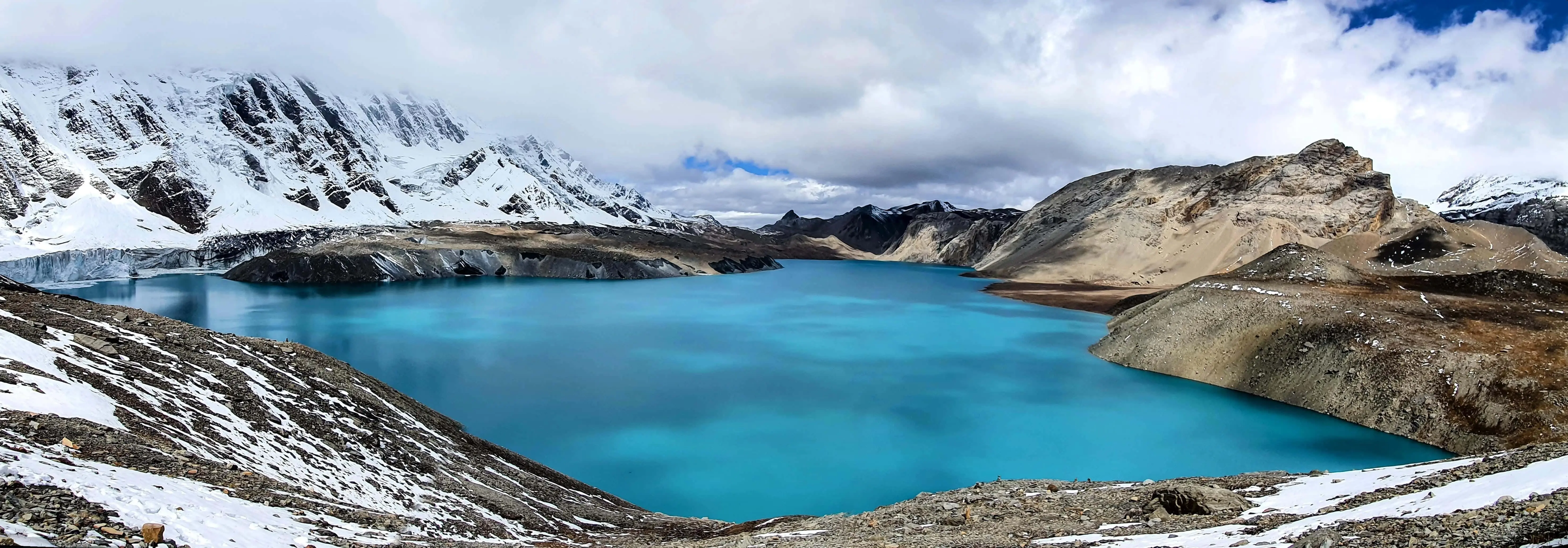
There is an undeniable magic to the Himalayas that draws adventurers from all corners of the globe. Among the myriad of trails weaving through these ancient mountains, trekking to Annapurna Base Camp in Nepal stands out as a world-class journey. But for those seeking the ultimate Annapurna adventure, combining the classic route with a detour to one of the world’s highest lakes elevates the experience from spectacular to life-changing.
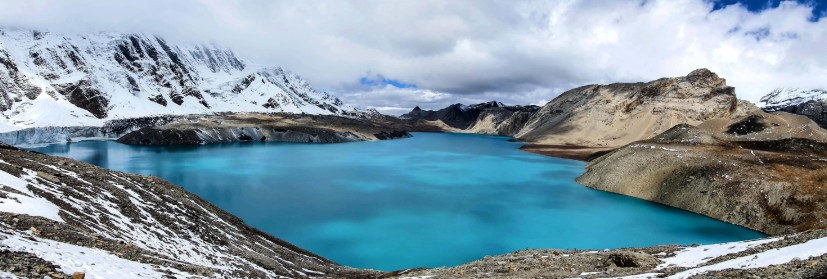
Embarking on the Annapurna Tilicho Lake trek merges the deep, glacier-carved basin of the Annapurna Sanctuary with the stark, high-altitude beauty of the Manang district. Whether you are tackling a standard base camp trek or integrating the challenging Tilicho Lake trek into a grand circuit, proper preparation is your key to a successful journey.
Here is your comprehensive guide to mastering this iconic Himalayan route, managing logistics, and immersing yourself in the raw beauty of Nepal.
Before you lace up your boots, you have to get to the mountains. The gateway to the Annapurna region is the lakeside city of Pokhara. When sorting out your flight from Kathmandu to Pokhara logistics, booking a morning flight is highly recommended. The 25-minute scenic journey offers breathtaking right-side views of the Himalayan range and saves you from a grueling 7-to-9-hour bus ride along winding mountain roads.
You cannot legally hike in this region without proper documentation. Familiarize yourself with the ACAP permit and TIMS card requirements well in advance. The Annapurna Conservation Area Project (ACAP) permit and the Trekker’s Information Management System (TIMS) card are mandatory. You can obtain both at the Nepal Tourism Board offices in either Kathmandu or Pokhara. Bring along your passport and a few passport-sized photos to speed up the process.
While trekking Annapurna independently is possible for experienced hikers, hiring local support enriches the experience and boosts the local economy. A knowledgeable trekking guide provides invaluable cultural context, handles tea house bookings during peak seasons, and ensures your safety. The cost of hiring a guide and porter in Pokhara typically ranges from $25 to $35 per day for a guide, and $20 to $25 per day for a porter. This fee usually covers their food, accommodation, and insurance, making it a highly worthwhile investment for a stress-free trek.
Choosing the right season will dramatically impact your experience. The best time of year for Annapurna Sanctuary trek is during the pre-monsoon (spring) and post-monsoon (autumn) seasons.
Winter treks (December to February) are possible but feature extreme cold and avalanche risks near the base camp, while the summer monsoon (June to August) brings leeches, slippery trails, and obscured views.
A common question among first-timers is: How difficult is the hike to Annapurna Base Camp?
The Annapurna base camp trek difficulty level is generally rated as moderate to challenging. You do not need technical climbing skills, but you do need stamina. You will be walking for 5 to 7 hours a day, navigating thousands of steep stone steps, and dealing with varying climate zones. When you add the Tilicho Lake excursion—which pushes you above 4,900 meters (16,000 feet) and includes navigating landslide-prone scree slopes—the difficulty significantly increases.
To thoroughly prepare, implement a training routine 8 to 12 weeks before your flight. Your training guide for high altitude hiking in Nepal should include:
Trekking at high altitudes introduces unique physical challenges that you must manage proactively.
Knowing how to stay hydrated and energized on the trail is crucial. At altitude, you lose water quickly through respiration. Aim to drink 3 to 4 liters of water daily. Bring water purification tablets or a UV filter, as single-use plastic bottles are banned in the conservation area. For energy, rely on the local staple: Dal Bhat (lentil soup and rice). It provides a perfect balance of carbohydrates and protein. Keep a stash of trail mix, energy bars, and chocolate in your daypack for quick calorie boosts during steep ascents.
Preventing altitude sickness during Himalayan treks is a matter of life and death. Acute Mountain Sickness (AMS) can affect anyone, regardless of fitness level.
The classic Annapurna base camp trek offers an incredible diversity of landscapes. You will transition from subtropical forests to alpine environments and finally into a glacial basin.
The lower sections of the trek are rich in human history. The cultural highlights of Ghandruk and Chhomrong villages offer a fascinating glimpse into the lives of the Gurung people, renowned for their bravery as Gurkha soldiers. Ghandruk, with its traditional slate-roofed houses and narrow alleyways, is a perfect place to enjoy local tea while gazing at Annapurna South. Chhomrong is the last major settlement before the sanctuary and serves as the gateway to the upper gorge.
As you push higher past bamboo forests and avalanche chutes, the valley narrows. A pivotal moment of the journey is the view of Machhapuchhre from Macchapuchre Base Camp (MBC). Often called the "Fishtail Mountain," this sacred, unclimbed peak dominates the skyline. MBC isn't a true base camp for climbing, but rather a spectacular vantage point and acclimatization stop.
From MBC, it is a steady two-hour hike into the Annapurna Sanctuary. Reaching ABC at 4,130 meters (13,550 feet) places you in a 360-degree amphitheater of towering ice walls, including Annapurna I, Annapurna South, and Hiunchuli. Watching the sunrise illuminate these colossal peaks in shades of gold and pink is the ultimate reward.
Trekking down can be hard on the knees, but there is a soothing reward waiting. Be sure to build the Jhinu Danda natural hot springs itinerary into your descent plan. Located just a short 20-minute walk down to the Modi Khola river from the main village of Jhinu, these thermal pools are the perfect natural therapy for your aching muscles.
Cost is a major factor when planning your trip. The overall Annapurna base camp trek cost fluctuates based on your travel style, the duration of your trip, and whether you hire a guide.
If you are an independent trekker staying in standard tea houses, the average daily budget for trekking in the Annapurna region is around $25 to $40 per day. This covers three hearty meals, tea, and basic accommodation. If you opt for luxuries like Wi-Fi, hot showers (which cost extra at higher elevations), and imported snacks, expect to spend closer to $50 a day. Including your flights, permits, guide fees, and gear, a 10-to-14-day trek typically costs between $700 and $1,200 from Kathmandu.
Many trekkers find themselves torn between Nepal’s two most famous trails. An Annapurna Base Camp vs Everest Base Camp comparison reveals distinct differences:
Packing correctly can make or break your comfort on the trail. The key to the essential packing list for tea house trekking is layering. Tea houses are unheated, and while the dining rooms are warmed by a central stove, the bedrooms freeze at night.
Core Clothing:
Footwear: Your feet will be your best friends or your worst enemies. Investing in the best hiking boots for rugged mountain terrain is an absolute priority. Ensure they are waterproof (Gore-Tex), offer excellent ankle support, and have deep lugs for grip. Break them in for at least a month before your trip to prevent debilitating blisters. Pair them with high-quality merino wool hiking socks.
Essential Gear:
Trekking to Annapurna Base Camp in Nepal is an endeavor that tests your physical limits while enriching your soul. Whether you stick to the traditional path or push your boundaries by combining it with the high-altitude marvel of Tilicho Lake, the journey promises unparalleled scenic majesty and profound cultural connections.
By taking the time to prepare physically, understanding the logistics of permits and guides, and respecting the raw power of the high Himalayas, you ensure that your time on the trail is safe, sustainable, and unforgettable. Pack your bags, break in those boots, and get ready to step into the heart of the mountains—your ultimate Himalayan adventure awaits.
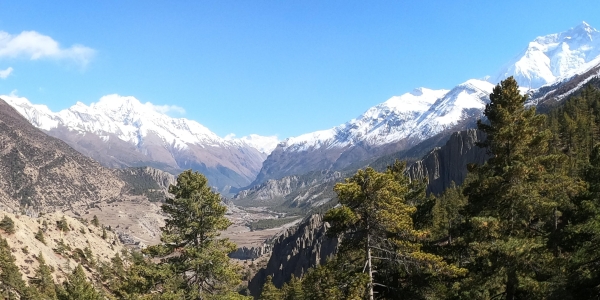
Get all the essential details for the Annapurna Circuit Trek. Plan your trek with tips on altitude, permits, and the best seasons to visit the Annapurna range.
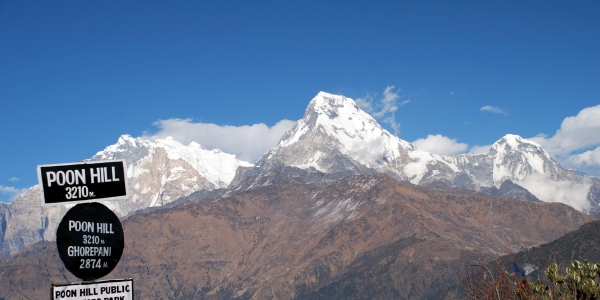
Before embarking on the Annapurna Base Camp Trek, check out essential information about the ABC trek, including route, permits, and best trekking season.
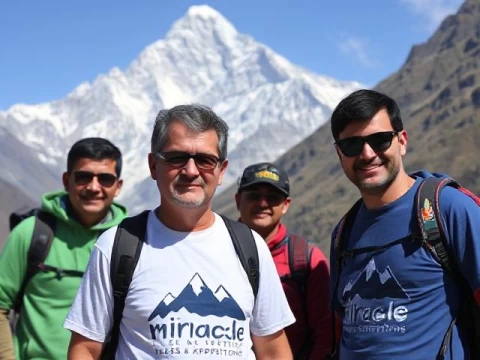
Nestled in the heart of the Himalayas, the Annapurna Circuit Trek is more than just a walk; it's a legendary journey that has captivated the hearts of adventurers for decades. Often hailed as one of the world's best treks, it offers an unparalleled tapestry of experiences: from lush subtropical forests and terraced rice paddies to high-altitude deserts and some of the most dramatic mountain scenery on the planet.
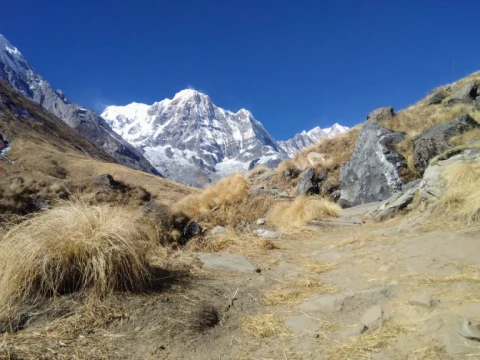
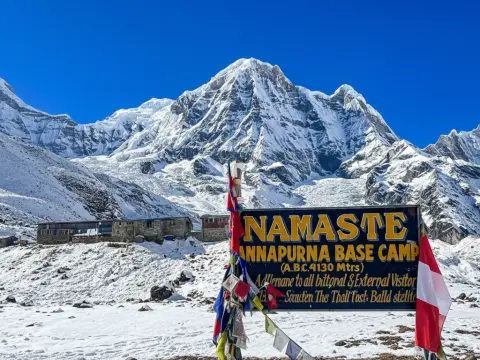
Complete Annapurna Base Camp Trek and Annapurna Circuit guide with route details, itinerary options, cost breakdown, difficulty level, permits, maps, and best seasons.
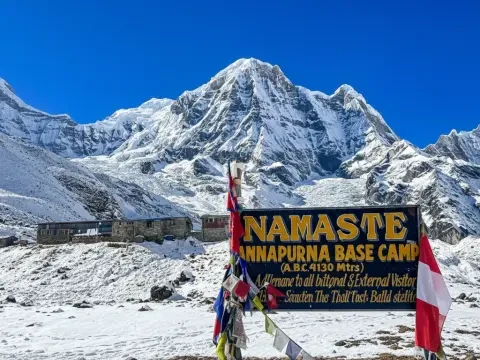
With its vivid colors and warm weather, spring is a wonderful time to trek to Annapurna Base Camp (ABC) in the Annapurna region of the Himalayas. You can enjoy this classic trek for 7-12 days while sightseeing the blooming rhododendrons, magnificent views of several mountain ranges.
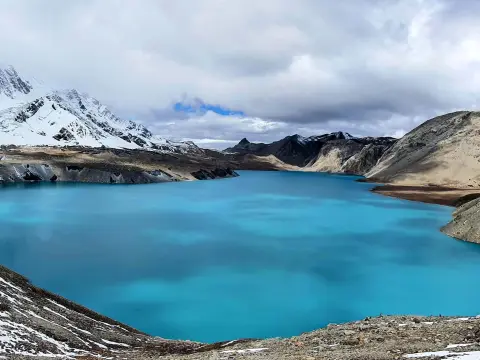
Among the world's most celebrated long-distance treks, the Annapurna Circuit holds a place of rare distinction. Looping around the entire Annapurna massif in northwestern Nepal, this legendary trail weaves through subtropical forests, terraced farmland, ancient villages, high alpine deserts, and glacier-carved valleys, all in a single journey.
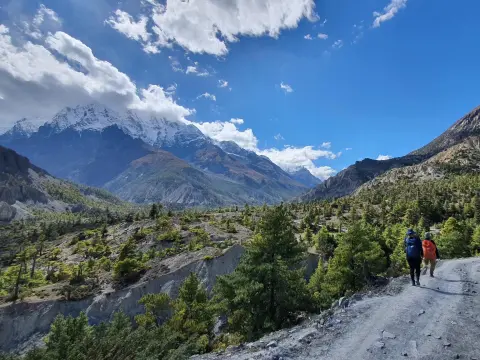
Annapurna Circuit Trek in Nepal is considered as one of the most renowned trekking paths in Nepal. From emerald valleys, lush green fields to high altitude deserts, it includes everything with the backdrop of the majestic Annapurna range.
