
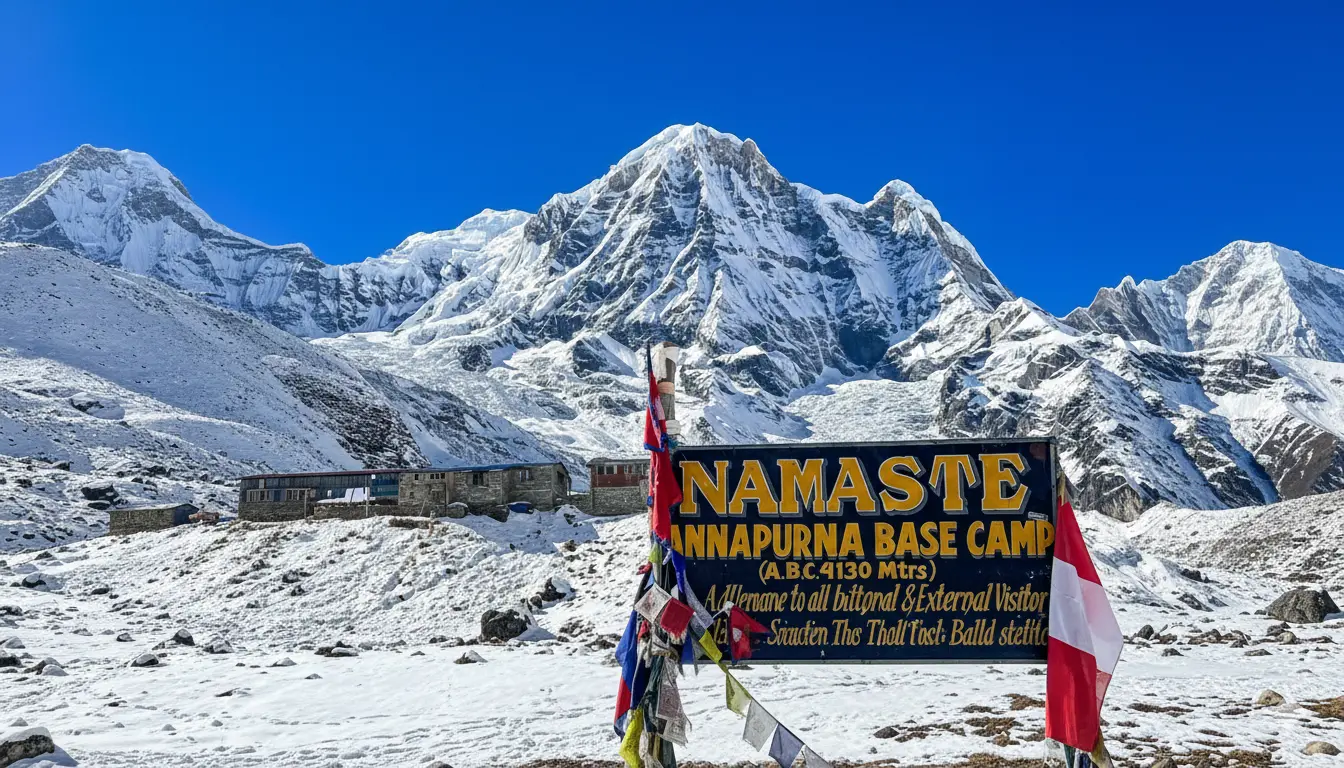
Embark on an unforgettable journey through the Himalayas with our comprehensive guide to the Annapurna Base Camp trek and Annapurna Circuit. This guide provides everything you need to know about the best routes, costs, itineraries, difficulty levels, and maps for an epic Nepal trekking adventure.

Whether you're a seasoned trekker or a beginner, our guide is designed to help you plan your trip with ease. The Annapurna Base Camp trek is one of the most popular treks in Nepal, known for its breathtaking Himalayan landscapes and rich cultural heritage.
The Annapurna Base Camp trek is a mesmerizing experience that combines breathtaking natural beauty with rich cultural heritage. This trek is not just a journey through the Himalayas; it's an immersion into the diverse landscapes and cultures of the Annapurna region.
The Annapurna region is characterized by its diverse geography, ranging from lush green forests to rugged mountain terrains. The trek takes you through various climates and landscapes, offering a unique experience at every step. You'll traverse through picturesque villages, alongside rivers, and across different elevation levels, witnessing the changing flora and fauna.
The Annapurna Base Camp trek is as much about experiencing the rich cultural heritage of the region as it is about marveling at its natural beauty. The trek passes through numerous traditional villages, where you can interact with the locals and learn about their customs and way of life. The region is dotted with ancient monasteries and vibrant markets, adding to its cultural significance. As you trek higher, the natural beauty unfolds with breathtaking views of the Himalayan range, making the journey truly unforgettable.
Both the Annapurna Base Camp trek and the Annapurna Circuit trek offer unique experiences, but they cater to different preferences and fitness levels. The choice between these two iconic treks depends on what you're looking for in your Himalayan adventure.
The Annapurna Base Camp trek is a more direct route that takes you to the foot of the Annapurna massif, offering breathtaking views of the surrounding mountains. In contrast, the Annapurna Circuit is a longer trek that encircles the Annapurna massif, providing a diverse range of landscapes and cultural experiences.
The duration and difficulty of the two treks vary significantly. The Annapurna Base Camp trek typically takes around 7-10 days to complete and is considered moderately difficult. The Annapurna Circuit, on the other hand, is longer, taking around 14-21 days, and is considered more challenging due to its longer duration and higher altitude.
| Characteristics | Annapurna Base Camp Trek | Annapurna Circuit Trek |
|---|---|---|
| Duration | 7-10 days | 14-21 days |
| Difficulty Level | Moderate | Challenging |
| Maximum Altitude | 4,130 meters | 5,416 meters (Thorong La Pass) |
For experienced trekkers, combining both the Annapurna Base Camp trek and the Annapurna Circuit is a viable option. This can be achieved by incorporating the Annapurna Base Camp trek into the Annapurna Circuit, adding a few extra days to the itinerary. However, this requires careful planning and a good level of physical fitness.
Choosing the best time to visit Annapurna Base Camp is crucial for a successful trekking experience. The region's climate varies significantly across different seasons, impacting the trek's difficulty and enjoyment.
The spring season is one of the most popular times to trek to Annapurna Base Camp. Mild temperatures and blooming rhododendrons make the journey particularly scenic. During this period, the weather is generally stable, offering clear views of the Himalayas.
The fall season is another peak trekking period, characterized by clear skies and comfortable temperatures. The trails are less crowded than in spring, and the post-monsoon landscape is lush and green, enhancing the trek's visual appeal.
Trekking during the winter months (December-February) can be challenging due to heavy snowfall and colder temperatures. The monsoon season (June-August) brings rain, which can make trails slippery and increase the risk of landslides. However, these seasons also offer unique experiences, such as serene landscapes and fewer tourists.
| Season | Weather | Trail Conditions | Crowd |
|---|---|---|---|
| Spring (March-May) | Mild, blooming flowers | Clear, stable | Moderate |
| Fall (September-November) | Clear, comfortable | Stable, post-monsoon green | Moderate |
| Winter (December-February) | Cold, snowfall | Snowy, icy | Low |
| Monsoon (June-August) | Rainy, humid | Slippery, risk of landslides | Low |
The key to a memorable Annapurna Base Camp trek lies in thorough preparation and the right mindset. Adequate preparation not only enhances your trekking experience but also ensures your safety throughout the journey.
Before you start your trek, obtaining the necessary permits is a critical step. For the Annapurna Base Camp trek, you will need the Annapurna Conservation Area Permit (ACAP) and the Trekkers' Information Management System (TIMS) card. These permits help in managing the number of trekkers and conserving the area. It's advisable to obtain these permits through a registered trekking agency or guide, as they can facilitate the process.
Assessing your physical fitness level is crucial before embarking on the trek. The Annapurna Base Camp trek demands a good level of stamina, as you will be walking for several hours daily at high altitudes. Engaging in cardiovascular exercises, strength training, and hiking can help improve your fitness level. It's recommended to start training at least 2-3 months prior to your trek.
Packing the right gear is vital for a comfortable and safe trekking experience. Essential items include sturdy hiking boots, layers for varying temperatures, a waterproof jacket, a first-aid kit, and a sleeping bag. It's also important to pack lightly and efficiently, as porters or guides will be carrying your gear.
| Essential Gear | Description |
|---|---|
| Hiking Boots | Sturdy, waterproof boots for ankle support and protection |
| Layered Clothing | Thermal layers for cold weather and breathable fabrics for warmer conditions |
| First-Aid Kit | Basic medical supplies, including bandages, antiseptic wipes, and pain relievers |
Understanding the Annapurna Base Camp trek route is essential for a successful journey. The trek begins in Nayapul and follows a well-defined path to the base camp, passing through picturesque villages and offering breathtaking views of the surrounding mountains.
The Annapurna Base Camp trek is typically completed over 7-10 days, depending on the itinerary. The day-by-day breakdown includes:
This breakdown helps trekkers prepare for the daily challenges and enjoy the scenic beauty.
The Annapurna Base Camp trek is dotted with key landmarks and scenic viewpoints. Notable among them are:
These landmarks and viewpoints make the trek a memorable experience, with opportunities to enjoy the natural beauty and cultural richness of the region.
To make the most of your Annapurna Base Camp adventure, selecting the appropriate itinerary is crucial. The trek offers various options to cater to different time constraints and preferences, ensuring that every traveler can find a suitable path.
Choosing the right itinerary depends on several factors, including your schedule, physical fitness, and what you want to achieve from your trek. Whether you're looking for a quick and intense experience or a more leisurely journey with side trips, there's an itinerary designed for you.

The classic 7-day itinerary is a popular choice among trekkers. It provides a balanced pace and sufficient time to acclimate to the altitude, reducing the risk of altitude sickness. This itinerary typically starts from Nayapul and follows a well-trodden path to Annapurna Base Camp, offering breathtaking views of the surrounding mountains.
Key Highlights: Gradual ascent, scenic views, and well-marked trails.
For those with more time, the extended 10-day itinerary allows for a more leisurely pace and the opportunity to explore side trails and nearby attractions. This could include a visit to the stunning Poon Hill viewpoint or a detour to explore local villages.
Benefits: More time to enjoy the scenery, visit local landmarks, and acclimate to higher altitudes.
If you're short on time, there are shorter itinerary options available that still offer a fulfilling experience. These alternatives might involve starting from a higher elevation point or focusing on the most scenic sections of the trek.
"The journey to Annapurna Base Camp is a once-in-a-lifetime experience, offering unparalleled views and a deep connection with nature."
Ultimately, the best itinerary for you will depend on your individual circumstances and preferences. By choosing the right option, you can ensure a memorable and enjoyable trek to Annapurna Base Camp.
Understanding the difficulty level of the Annapurna Base Camp trek is crucial for a successful and enjoyable journey. This trek is considered moderately challenging, with certain sections demanding a good level of physical fitness.
The terrain of the Annapurna Base Camp trek includes a mix of steep ascents, uneven paths, and suspension bridges, making it essential for trekkers to be prepared for varied and challenging conditions. The elevation profile is significant, with the trek reaching an altitude of 4,130 meters at the base camp.
One of the major concerns during the Annapurna Base Camp trek is altitude sickness, which can affect anyone regardless of their fitness level. Prevention is key, and this includes ascending gradually to allow the body to acclimatize.
Key strategies for preventing altitude sickness include:
By understanding these challenges and taking proactive measures, trekkers can minimize risks and enjoy a successful trek to the Annapurna Base Camp.
The trek to Annapurna Base Camp is facilitated by a network of teahouses and lodges that provide comfortable accommodation and delicious meals. As you plan your adventure, understanding what to expect in terms of accommodation and food is crucial for a enjoyable experience.
Teahouses along the Annapurna Base Camp trek route offer basic yet comfortable accommodation. You can expect shared or twin rooms, with some higher-end teahouses providing single rooms or en-suite bathrooms. The teahouses are family-run, offering a warm and welcoming atmosphere.

The food available at teahouses is a mix of traditional Nepali dishes and international cuisine. Dal Bhat, a Nepali staple, is a common meal option, providing the necessary energy for trekking. Other options include pasta, pizza, and various soups. It's also worth noting that dietary considerations can be accommodated to some extent, with vegetarian and gluten-free options available.
| Accommodation Type | Food Options | Dietary Considerations |
|---|---|---|
| Shared/Twin Rooms | Dal Bhat, Pasta, Pizza | Vegetarian, Gluten-free |
| Single Rooms (some teahouses) | Soups, Noodles | Special requests possible |
Understanding the expenses involved in the Annapurna Base Camp trek is crucial for effective budgeting. The total cost of the trek can vary significantly based on several factors, including the time of year, choice of accommodation, and services used.
The Annapurna Base Camp trek requires several permits, including the Annapurna Conservation Area Permit (ACAP) and the Trekkers' Information Management System (TIMS) card. The cost for these permits is approximately $30-$50 for ACAP and $20-$30 for TIMS.
Hiring a guide or porter can significantly enhance your trekking experience. The cost for a guide is typically $25-$30 per day, while a porter costs around $20-$25 per day. Their expenses include food, accommodation, and insurance.
Guide cost:$25-$30 per day
Porter cost:$20-$25 per day
Accommodation and food are significant expenses during the trek. Teahouses and lodges offer various accommodation options, ranging from basic to more comfortable rooms. Food costs vary depending on the menu and location.
On average, expect to pay $5-$10 for a meal and $5-$20 per night for accommodation.
Transportation costs include traveling to and from the trek's starting and ending points. You can use public buses or private vehicles, with costs ranging from $10 to $50 or more, depending on the mode of transport and availability.
Other expenses to consider include equipment rental, souvenirs, and any additional activities or side trips. Budgeting an extra $100-$200 for these miscellaneous expenses is a good idea.
By understanding these costs, you can better plan your Annapurna Base Camp trek and ensure a memorable experience.
Embarking on the Annapurna Base Camp trek is a once-in-a-lifetime experience, offering breathtaking landscapes, rich cultural heritage, and a sense of adventure. To make the most of your trek, it's essential to be well-prepared, flexible, and open to the experiences that come your way.
By following this guide, you'll be well-equipped to navigate the challenges and rewards of the trek, ensuring a trek conclusion that meets your expectations. Whether you're looking to push your limits or simply enjoy the beauty of the Himalayas, your annapurna adventure awaits.
Making the most of your trek involves being mindful of the details, from preparation to the final steps of your journey. With the right mindset and preparation, you'll be able to fully immerse yourself in the experience and create lasting memories.
The best time to visit Annapurna Base Camp is during the spring season (March-May) and fall season (September-November), when the weather is mild and the skies are clear.
The Annapurna Base Camp trek requires a good level of physical fitness, as it involves walking for several hours a day on uneven terrain. Trekkers should be prepared for steep ascents and descents, and have a reasonable level of cardiovascular fitness.
Trekkers need to obtain the Annapurna Conservation Area Permit (ACAP) and the Trekkers' Information Management System (TIMS) card to trek to Annapurna Base Camp.
Yes, it is possible to hire a guide or porter for the Annapurna Base Camp trek. Guides can provide valuable insights into the local culture and terrain, while porters can assist with carrying luggage.
The Annapurna Base Camp trek has a range of accommodation options, from basic teahouses to more comfortable lodges. Trekkers can expect to find simple but clean and cozy rooms, as well as basic amenities such as food and drink.
The cost of the Annapurna Base Camp trek varies depending on several factors, including the time of year, accommodation options, and guide or porter services. Trekkers can expect to pay around $500-$1000 per person for a 7-10 day trek.
To prevent altitude sickness, trekkers should ascend gradually, drink plenty of water, and rest when needed. It's also recommended to take regular breaks and be aware of the symptoms of altitude sickness.
Yes, it is possible to combine the Annapurna Base Camp trek with the Annapurna Circuit. This can be a great way to experience the best of both treks, but it requires more time and planning.
The Annapurna Base Camp trek offers stunning views of the surrounding mountains, including Annapurna, Machapuchare, and Dhaulagiri. Key landmarks include the Modi River, Chomrong village, and the Annapurna Base Camp itself.
