Everest Base Camp Trek - Things Need to Know Before You Go
5 Aug 2023

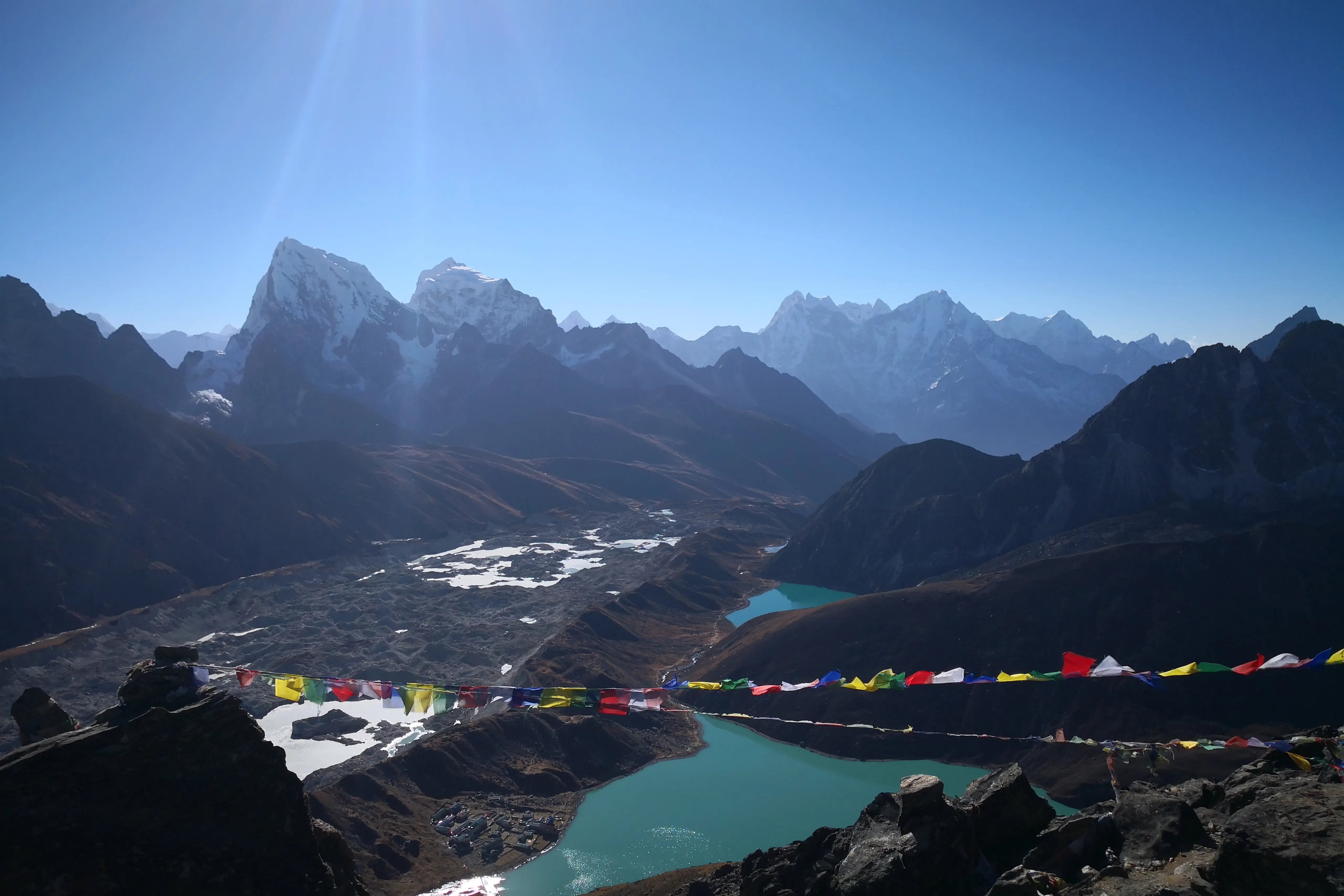
The Everest Base Camp trek via Gokyo Lake is often described as the most complete long-distance walking circuit in Nepal’s Khumbu region: it combines the cultural heartland of the Sherpa community, the classic approach to Everest Base Camp (EBC), and the quieter, glaciated amphitheatre of the Gokyo Valley with its remarkable chain of turquoise lakes. While the standard EBC itinerary is typically an out-and-back route along the main Dudh Koshi corridor, this variation creates a loop, adding a high pass crossing and expanding the range of landscapes you experience—from pine forests and mani walls to lateral moraines, icefall views, and high, wind-scoured plateaus.
For many trekkers, the value of this route is not simply “more scenery,” but a more sophisticated altitude profile. The detour through Gokyo usually extends the trip by a few days, which—when planned properly can support safer acclimatization and reduce the pressure to gain elevation quickly. The trade-off is that the itinerary becomes more strenuous and more logistically sensitive to weather, particularly around the high pass connecting the two valleys. If you are looking for a trek that feels like a genuine Himalayan circuit rather than a single corridor walked twice, the Everest Base Camp and Gokyo trek is a strong candidate.
Choosing the Gokyo approach meaningfully changes both the feel of the trail and the kinds of viewpoints you earn. The following factors are typically the deciding points.
The classic EBC route is undeniably beautiful, but it concentrates you on one primary axis for much of the trip. The Gokyo Valley introduces a different, more glacially dominated aesthetic: wide valleys, exposed moraine, and a succession of high lakes whose color often appears almost artificial in clear weather. In addition to closer views of familiar peaks, you gain a broader perspective of the greater Everest region, including prominent views toward Cho Oyu and the immense Ngozumpa Glacier.
During peak season, the main EBC corridor can feel congested: busy teahouses, frequent bottlenecks on narrow sections, and a constant flow of trekkers and pack animals. The Gokyo side is not empty—especially in October and November—but it is commonly quieter, particularly after leaving Namche and before reconnecting near Lobuche. Many trekkers find that fewer people translates to a calmer daily rhythm: easier access to dining rooms, less pressure to “race” for a room, and more moments of uninterrupted mountain silence.
Altitude adaptation is not only about fitness; it is about time and physiology. A longer circuit can allow more gradual elevation gain, additional nights in the mid-4,000-meter range, and more opportunities to implement the principle of climb high, sleep low. This does not eliminate the risk of Acute Mountain Sickness (AMS), but it can reduce the probability of being forced into abrupt itinerary changes.
Crossing Cho La Pass adds a mountaineering-adjacent component—without turning the trek into a technical expedition. Expect a long day, cold early starts, and conditions that range from dry rock to snow and hard ice depending on season and recent weather. For many people, this is the psychological crux of the circuit: a commitment to moving through high terrain rather than merely approaching a single destination.
Most itineraries run 17 to 20 days from Kathmandu to Kathmandu, depending on acclimatization strategy, side hikes, and whether you build buffer days for Lukla flight delays. Conceptually, the circuit has four phases:
The Everest Base Camp Trek via Gokyo Lakes and Cho La Pass is one of the most scenic and adventurous trekking routes in Nepal. This itinerary combines the classic Everest Base Camp trail with the stunning turquoise Gokyo Lakes and the thrilling Cho La Pass crossing, offering breathtaking views of Mount Everest and surrounding Himalayan peaks.
Your adventure begins in Kathmandu, the vibrant capital of Nepal. Upon arrival at Tribhuvan International Airport, you’ll be transferred to your hotel. Spend the day exploring UNESCO World Heritage Sites, preparing permits, and meeting your trekking guide.
Highlights:
Take a scenic mountain flight to Lukla, known as the gateway to Everest. Begin trekking through the Dudh Koshi valley toward Phakding.
Highlights:
Trek through pine forests, suspension bridges, and Sagarmatha National Park to reach Namche Bazaar, the main trading hub of the Khumbu region.
Highlights:
Acclimatization is essential for high-altitude trekking. Take a short hike to Everest View Hotel or Khumjung village.
Highlights:
Leave the main Everest Base Camp trail and head toward the Gokyo Valley. The trail becomes quieter with fewer trekkers.
Highlights:
Continue ascending through alpine landscapes and yak pastures toward Machhermo.
Highlights:
Arrive at the beautiful Gokyo Lakes, a series of glacial lakes with striking turquoise color.
Highlights:
Early morning hike to Gokyo Ri for one of the best panoramic views in the Everest region.
Highlights:
One of the most challenging and rewarding days. Cross the icy Cho La Pass connecting Gokyo and Everest Base Camp routes.
Highlights:
Join the main Everest Base Camp trail and trek toward Lobuche.
Highlights:
Reach Gorak Shep and continue to Everest Base Camp, the ultimate destination.
Highlights:
Early morning hike to Kala Patthar for the best sunrise view of Mount Everest. Descend to Pheriche or Dingboche.
Highlights:
Retrace your steps through Namche Bazaar and Phakding, enjoying the final days in the Himalayas.
Highlights:
Take an early morning flight back to Kathmandu. This day also serves as a buffer in case of flight delays.
Highlights:
Practical note: Lukla flights are frequently delayed or cancelled due to visibility and wind; if you have fixed international travel dates, add at least one buffer day in Kathmandu at the end (and ideally also at the start).
This circuit is popular because it stacks major “signature moments” of the Khumbu into one coherent journey rather than forcing you to choose between them.
The Gokyo Lakes are a group of high-altitude glacial lakes typically described as six primary basins, though smaller pools and seasonal ice-melt ponds appear around them. The larger lakes sit roughly between 4,700 and 5,000 meters and are culturally significant in a region where Buddhist and Hindu traditions overlap. Their famous color comes from a combination of depth, suspended glacial sediments, and the intensity of high-altitude light.
Gokyo Ri is one of the most efficient “effort-to-reward” viewpoints in the region. The climb is steep and can feel punishing at altitude, but the summit panorama is exceptionally broad. In clear conditions, you can see Everest, Lhotse, Makalu, and Cho Oyu, along with a convincing sense of the scale of the Ngozumpa Glacier. Many trekkers find the perspective more expansive than Kala Patthar because it is slightly offset from the main Everest corridor.
Cho La is the hinge that converts two beautiful valleys into a genuine circuit. Conditions vary substantially by season. In autumn, the pass can be dry and rocky early, with ice lingering on shaded sections. In spring, fresh snow is more common. A very early start is standard; the objective is to cross before winds and cloud build-up, and to reduce exposure time on potentially icy sections.
EBC is the iconic destination, but it is best understood as a landscape experience rather than a summit viewpoint. The drama comes from proximity to the Khumbu Glacier and the Khumbu Icefall, and from the knowledge that this is the staging ground for the world’s most famous mountaineering route. During peak expedition season (particularly spring), the atmosphere can be more active; at other times, it is quiet and austere.
Kala Patthar is still the classic “close-up” viewpoint for Everest. Because EBC itself does not provide a clean view of Everest’s summit, Kala Patthar remains the place where most trekkers see Everest rise sharply above the dark ridge line, with Nuptse and the icefall in the immediate foreground. Sunrise is the traditional timing, but weather can dictate alternatives.
The Everest Base Camp trek via Gokyo Lake is commonly rated strenuous, primarily because it combines sustained high-altitude walking with a demanding pass day. Many days are 5–8 hours of walking, but the Cho La crossing and the EBC/Kala Patthar sequence can push longer, particularly if weather slows travel or if you move cautiously over ice.
Typical challenges include:
That said, the trek is not “technical climbing” in the mountaineering sense. With adequate preparation, conservative pacing, and sensible acclimatization, many fit beginners complete it successfully.
Altitude illness is the main safety variable in the Khumbu. Fitness helps with comfort and endurance, but acclimatization is a separate biological process. A useful mental model is that your body is attempting to re-engineer itself—producing more red blood cells and adjusting breathing patterns—while you continue to demand long daily output from it.
Common early AMS symptoms include headache, unusual fatigue, nausea, dizziness, and poor sleep. Worsening symptoms—especially loss of coordination, confusion, or shortness of breath at rest—require immediate attention and typically descent. No viewpoint is worth ignoring deterioration.
Most people trek in spring (March–May) or autumn (September–November). The phrase “best season” hides real trade-offs.
Winter (Dec–Feb) offers emptier trails but significantly colder temperatures and a higher likelihood that Cho La becomes icy and unpleasant. Monsoon (Jun–Aug) brings cloud cover, rain at lower elevations, and reduced visibility; it is generally not recommended for this specific circuit.
Teahouses are the infrastructure that makes the Khumbu accessible: small lodges with simple rooms, shared dining, and a menu that becomes more limited as you gain altitude. Rooms are usually unheated; the dining room is the warm social core. At higher elevations, everything becomes more expensive because supplies are carried by people and animals, or flown in.
Menus vary, but commonly include dal bhat (rice, lentils, vegetables), noodles, fried rice, soups, potatoes, eggs, tea, and basic baked goods. Dal bhat is popular because it is filling, carbohydrate-rich, and often comes with refills. Appetite can drop at altitude; warm, mild foods are usually easiest to tolerate.
Many trekkers use boiled water, refilling stations, filtration systems, or purification tablets. Single-use plastic bottles are discouraged in much of the region. Hand hygiene matters more than people expect; gastrointestinal illness can derail acclimatization and force you to lose days.
You generally need two permits/tickets for this trek:
These are commonly obtained in Kathmandu or along the trail at checkpoints (procedures can change, so your guide or agency will confirm the current practice).
Costs vary widely based on whether you go with an agency package, hire a guide independently, add a porter, and how many extras you buy on the trail (showers, charging, snacks, hot drinks). A rough, trek-focused estimate often falls between $1,200 and $2,500 per person, excluding some international travel costs.
Cash reality: ATMs are unreliable and may not work consistently above Namche. Plan to carry sufficient cash (in local currency) for the majority of the trek.
Because weather and exertion fluctuate dramatically, the most successful packing strategy is modular layering rather than relying on one heavy jacket. You will often start the day in freezing air, warm rapidly when climbing, then cool again when clouds and wind arrive.
Blisters are a banal but genuine risk factor: they reduce your ability to walk efficiently, and slow travel can disrupt acclimatization plans. Many trekkers use a thin liner sock under a wool trekking sock and ensure boots have enough space for swelling at altitude. Dry socks at night if possible; cold, damp feet are a reliable path to discomfort and poor sleep.
A sensible training program for this trek is less about peak speed and more about durable, repeatable output—your ability to walk for hours, day after day, with a pack, while maintaining balance on uneven ground.
It is easy to treat the Khumbu as a mountain “stage set,” but it is a lived landscape shaped by religion, trade, and adaptation to altitude. You will pass prayer wheels, chortens, mani stones, and monasteries—symbols that are not decorative but active cultural markers. Namche Bazaar is a commercial hub and a social crossroads, while smaller villages reflect a slower rhythm of seasonal work, yak herding, and tourism-driven livelihoods.
Basic etiquette goes a long way: walk clockwise around religious monuments, ask before photographing people, and be mindful that teahouses are both businesses and family homes.
Feature Classic EBC EBC via Gokyo Route shape Out-and-back Circuit / loop Crowds High in peak season Moderate overall; quieter on the Gokyo side Scenery Excellent Himalayan corridor Exceptional variety (lakes, glacier, pass, classic landmarks) Difficulty Moderate–strenuous Strenuous (Cho La adds complexity) Signature highlights EBC, Kala Patthar Gokyo Lakes, Gokyo Ri, Cho La, EBC, Kala Patthar
It is typically harder than the standard EBC trek because it is longer and includes a high pass crossing. The challenge is driven by altitude, cumulative fatigue, and variable footing around Cho La.
Many itineraries take 17–20 days Kathmandu-to-Kathmandu, including acclimatization. Adding a buffer day for Lukla flights is strongly advised.
Not strictly, but many trekkers choose a guide for navigation, pace management, local logistics, and decision-making support on Cho La and in changing weather.
It can be hazardous in poor weather, high wind, or icy conditions. With a conservative plan, early starts, and proper traction (micro-spikes), it is manageable for well-prepared trekkers.
Yes—if they arrive fit, follow acclimatization guidelines, and remain disciplined about pacing and symptom monitoring. The route rewards patience more than speed.
The Everest Base Camp Trek via Gokyo Lake is not simply a longer version of the classic trek; it is a more comprehensive circuit that highlights the Khumbu’s full spectrum—Sherpa settlements, high glacial basins, iconic viewpoints, and the cultural and physical realities of moving on foot through extreme altitude. The Gokyo Lakes add quiet beauty and a distinctive glacial landscape, while the Cho La crossing adds a decisive moment of commitment that many trekkers remember as the emotional center of the journey.
If you want a route that balances classic Everest landmarks with a less linear, more varied high-mountain experience, the everest base camp trek via gokyo lake offers one of Nepal’s most compelling long-distance itineraries. With careful preparation, sensible acclimatization, and respect for mountain conditions, it becomes both achievable and deeply memorable.
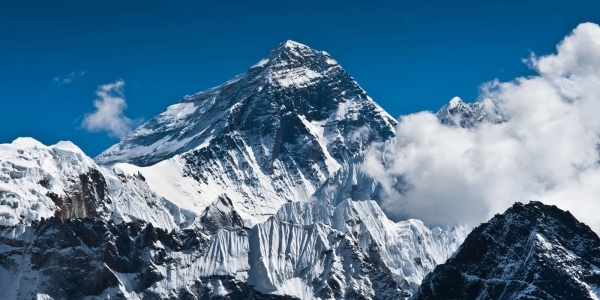
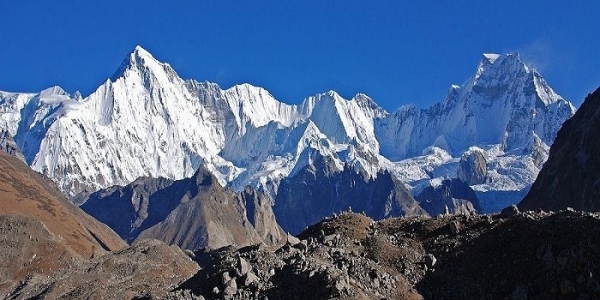
Take on the Everest Three Pass Trek for an unforgettable adventure across three high passes. Experience breathtaking views of Mount Everest, Lhotse, and Makalu.
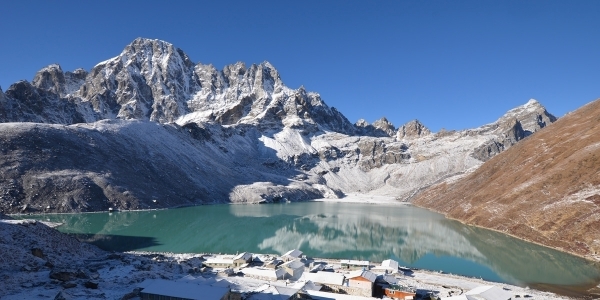
Discover the beauty of Gokyo Valley Trek with panoramic views of the Everest range, Gokyo Lakes, and the serene landscapes of the Khumbu region.
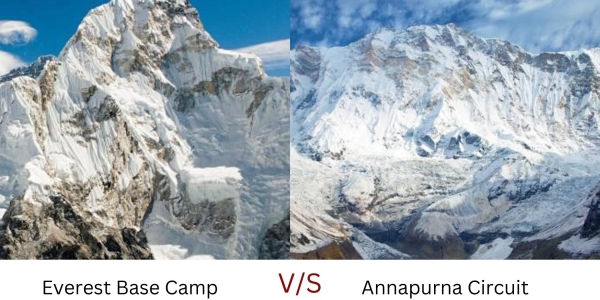
Everest Base Camp vs Annapurna Circuit? Discover the key differences to choose the perfect trek for your first Himalayan adventure in Nepal!
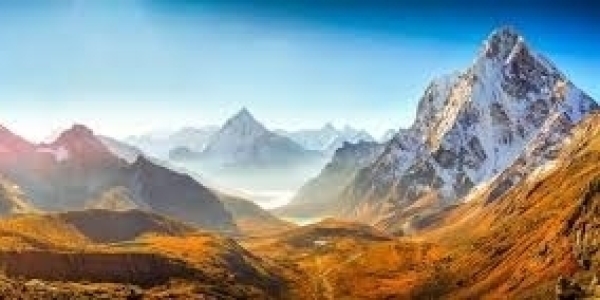
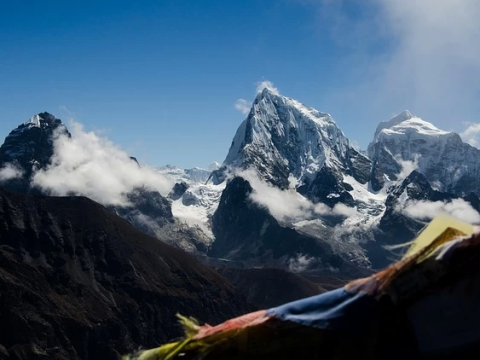
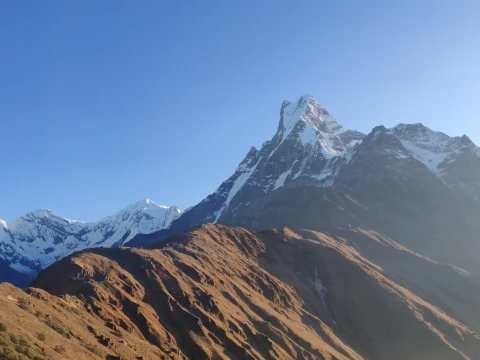
In 2026, the Himalayan routes of Nepal remain appealing to adventurers as a result of improved infrastructure, sustainability, and wide-ranging options for all abilities. These top 10 trekking routes are rated against criteria including scenery, cultural experiences, accessibility, and updates (including improved teahouses and permit costs).
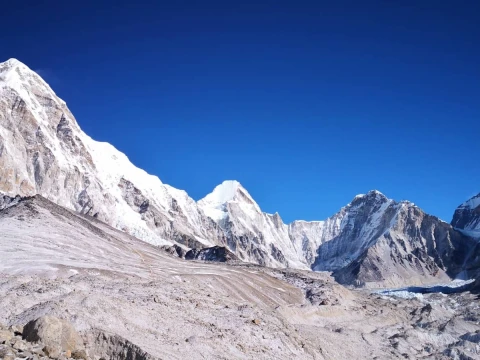
Planning the Everest Base Camp Trek in 2026? This guide breaks down the best time to go, explaining how each season affects weather, crowds, comfort, safety, and overall cost. Learn which months deliver the clearest views, how timing shapes your itinerary options, and how to choose the season that fits your trekking style and budget.
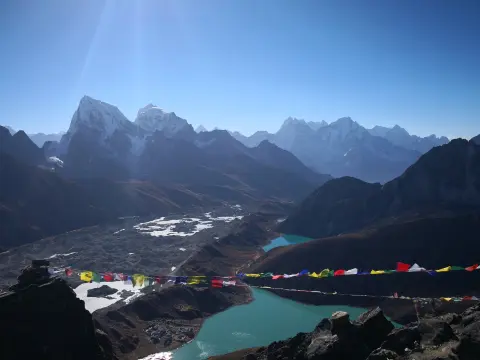
The Gokyo Valley Trek is one of Nepal’s most peaceful Himalayan journeys, leading trekkers away from the busy Everest Base Camp trail into a landscape of turquoise glacial lakes, quiet Sherpa villages, and dramatic mountain views. Walking through the heart of the Khumbu region, this trek rewards patience with silence, space, and unforgettable panoramas from Gokyo Ri.
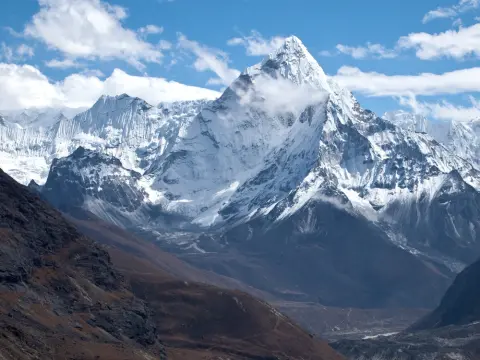
At 5,364 meters in the Himalayas, Everest Base Camp is an extreme environment where thin air and low pressure push human limits. This blog highlights how trekking to Mount Everest is not just a physical journey, but a test of endurance, acclimatization, and survival. From the trail starting at Lukla Airport to the challenges of altitude sickness, it captures the science, risks, and transformation behind reaching the base camp.
