[{"name":"Everest Base Camp Trek","duration":"14","image_url":"https:\/\/www.miracletreks.com\/storage\/trip-galleries\/1\/thumb_d713e821c5fe7ad4a6b9c6fc67c2418d.jpeg","offer_price":1450,"url":"https:\/\/www.miracletreks.com\/trips\/everest-base-camp-trek"},{"name":"Annapurna Circuit Trek","duration":"14","image_url":"https:\/\/www.miracletreks.com\/storage\/trip-galleries\/2\/thumb_a1cd794443932ce48892369d226df5e5.webp","offer_price":999,"url":"https:\/\/www.miracletreks.com\/trips\/annapurna-circuit-trek"},{"name":"Langtang Valley Trek","duration":"12","image_url":"https:\/\/www.miracletreks.com\/storage\/trip-galleries\/3\/thumb_0f87f72d15af305bd2095b31eac7252d.jpg","offer_price":700,"url":"https:\/\/www.miracletreks.com\/trips\/langtang-valley-trek"},{"name":"Manaslu Circuit Trek","duration":"13","image_url":"https:\/\/www.miracletreks.com\/storage\/trip-galleries\/4\/thumb_de14df304ec68a9c832c42c96674db41.jpg","offer_price":1199,"url":"https:\/\/www.miracletreks.com\/trips\/manaslu-circuit-trek"},{"name":"Mardi Himal Trek","duration":"11","image_url":"https:\/\/www.miracletreks.com\/storage\/trip-galleries\/10\/thumb_094b5720cf6383a032b681c0e495cca7.jpg","offer_price":799,"url":"https:\/\/www.miracletreks.com\/trips\/mardi-himal-trek"},{"name":"Ghorepani Poonhill Trek","duration":"10","image_url":"https:\/\/www.miracletreks.com\/storage\/trip-galleries\/11\/thumb_1264ad94cdc0c5d95b9729ef4f9a2546.jpg","offer_price":699,"url":"https:\/\/www.miracletreks.com\/trips\/ghorepani-poonhill-trek"},{"name":"Annapurna Base Camp Trek","duration":"13","image_url":"https:\/\/www.miracletreks.com\/storage\/trip-galleries\/12\/thumb_3736452512c9610aaf8d8a2ff41916cd.jpg","offer_price":1010,"url":"https:\/\/www.miracletreks.com\/trips\/annapurna-base-camp-trek"},{"name":"Everest Panorama Trek","duration":"9","image_url":"https:\/\/www.miracletreks.com\/storage\/trip-galleries\/13\/thumb_fbe571ee277521277b957afb3780d6ac.jpg","offer_price":999,"url":"https:\/\/www.miracletreks.com\/trips\/everest-panorama-trek"},{"name":"Gokyo Valley Trek","duration":"12","image_url":"https:\/\/www.miracletreks.com\/storage\/trip-galleries\/14\/thumb_2d1fcbb2c3e4f56b898882466a5c0487.jpg","offer_price":1199,"url":"https:\/\/www.miracletreks.com\/trips\/gokyo-valley-trek"},{"name":"Kathmandu City Tour : Discover the Spiritual and Cultural Wonders of Nepal","duration":"1","image_url":"https:\/\/www.miracletreks.com\/storage\/trip-galleries\/15\/thumb_6b4d803cc677863ad0b0299e2cea8081.jpg","offer_price":45,"url":"https:\/\/www.miracletreks.com\/trips\/kathmandu-city-tour-discover-the-spiritual-and-cultural-wonders-of-nepal"},{"name":"Pokhara City Tour: A Journey to Explore Natural Wonders and Cultural Heritage","duration":"1","image_url":"https:\/\/www.miracletreks.com\/storage\/trip-galleries\/16\/thumb_4c4da5fe4848bf5b3dd6e5c073c70fc1.jpg","offer_price":60,"url":"https:\/\/www.miracletreks.com\/trips\/pokhara-city-tour-a-journey-to-explore-natural-wonders-and-cultural-heritage"},{"name":"Chitwan Jungle Safari Tour","duration":"3","image_url":"https:\/\/www.miracletreks.com\/storage\/trip-galleries\/17\/thumb_555ae5514a85e955f12517e9f70a2604.jpg","offer_price":200,"url":"https:\/\/www.miracletreks.com\/trips\/chitwan-jungle-safari-tour"},{"name":"Muktinath Darsan Tour","duration":"6","image_url":"https:\/\/www.miracletreks.com\/storage\/trip-galleries\/18\/thumb_c19e2d7350be5b847b697fdf7c4f5030.jpg","offer_price":370,"url":"https:\/\/www.miracletreks.com\/trips\/muktinath-darsan-tour"},{"name":"Mera Peak Climbing","duration":"14","image_url":"https:\/\/www.miracletreks.com\/storage\/trip-galleries\/19\/thumb_3e0668f7dba2470953addd8be3d8c603.jpg","offer_price":1899,"url":"https:\/\/www.miracletreks.com\/trips\/mera-peak-climbing"},{"name":"Everest Chola Pass Trek","duration":"17","image_url":"https:\/\/www.miracletreks.com\/storage\/trip-galleries\/20\/thumb_cbcfbdf2f21689705bc6a758043aad9b.jpg","offer_price":1549,"url":"https:\/\/www.miracletreks.com\/trips\/everest-chola-pass-trek"},{"name":"Mohore Danda Khopra Ridge Trek","duration":"16","image_url":"https:\/\/www.miracletreks.com\/storage\/trip-galleries\/21\/thumb_400f48341e282610b2ca37cda17c2b6a.jpg","offer_price":1199,"url":"https:\/\/www.miracletreks.com\/trips\/mohore-danda-khopra-ridge-trek"},{"name":"Chisapani Nagarkot Hiking","duration":"3","image_url":"https:\/\/www.miracletreks.com\/storage\/trip-galleries\/22\/thumb_8bf4c43f515433d24b153942166db4a7.JPG","offer_price":200,"url":"https:\/\/www.miracletreks.com\/trips\/chisapani-nagarkot-hiking"},{"name":"Island Peak Climbing","duration":null,"image_url":"https:\/\/www.miracletreks.com\/img\/default.gif","offer_price":null,"url":"https:\/\/www.miracletreks.com\/trips\/island-peak-climbing"},{"name":"Annapurna Circuit Trek with Tilicho Lake","duration":"15","image_url":"https:\/\/www.miracletreks.com\/storage\/trip-galleries\/24\/thumb_3d6e96fc4017e5f5d780c15762125a46.webp","offer_price":1099,"url":"https:\/\/www.miracletreks.com\/trips\/annapurna-circuit-trek-with-tilicho-lake"},{"name":"Mulde Hill Trek","duration":"9","image_url":"https:\/\/www.miracletreks.com\/storage\/trip-galleries\/25\/thumb_7bc3a9822a4826f697eda26668d0b7e0.jpg","offer_price":899,"url":"https:\/\/www.miracletreks.com\/trips\/mulde-hill-trek"},{"name":"Upper Mustang Trek","duration":null,"image_url":"https:\/\/www.miracletreks.com\/storage\/trip-galleries\/27\/thumb_dcbd1ef2a7187d7ec950bee9df5bf3d0.jpg","offer_price":null,"url":"https:\/\/www.miracletreks.com\/trips\/upper-mustang-trek"},{"name":"Everest Base Camp Heli Return to Lukla Trek - 11 Day","duration":"12","image_url":"https:\/\/www.miracletreks.com\/storage\/trip-galleries\/28\/thumb_09bc94c54a06dba7349f3b3e2163bed2.webp","offer_price":2400,"url":"https:\/\/www.miracletreks.com\/trips\/everest-base-camp-heli-return-to-lukla-trek---11-day"},{"name":"Everest Base Camp Heli Return Trek -A 10 Day Himalayan Adventure","duration":"10","image_url":"https:\/\/www.miracletreks.com\/storage\/trip-galleries\/29\/thumb_11c9b73697978ba1088d0751cacb28c6.jpg","offer_price":2800,"url":"https:\/\/www.miracletreks.com\/trips\/everest-base-camp-heli-return-trek--a-10-day-himalayan-adventure"},{"name":"Everest Base Camp Helicopter Tour - Best Prices & Views","duration":null,"image_url":"https:\/\/www.miracletreks.com\/storage\/trip-galleries\/30\/thumb_9445acd2df99b75ae06f9cb85fa7d628.jpeg","offer_price":null,"url":"https:\/\/www.miracletreks.com\/trips\/everest-base-camp-helicopter-tour---best-prices-views"},{"name":"Tsum Valley Trek","duration":"16","image_url":"https:\/\/www.miracletreks.com\/img\/default.gif","offer_price":850,"url":"https:\/\/www.miracletreks.com\/trips\/tsum-valley-trek"},{"name":"Short Mardi Himal Trek","duration":"4","image_url":"https:\/\/www.miracletreks.com\/storage\/trip-galleries\/33\/thumb_81dd828ceb35cc0c94da79bc063fdf55.webp","offer_price":null,"url":"https:\/\/www.miracletreks.com\/trips\/short-mardi-himal-trek"},{"name":"Short Annapurna Trek","duration":"5","image_url":"https:\/\/www.miracletreks.com\/storage\/trip-galleries\/34\/thumb_a70b27d8d5912ec9132e5779afc332f0.webp","offer_price":449,"url":"https:\/\/www.miracletreks.com\/trips\/short-annapurna-trek"}]
Set out on a once-in-a-lifetime journey with the Annapurna Base Camp Trek, which offers stunning views of the Annapurna range while passing through the heart of the Himalayas. This well-known trekking route in Nepal is a trekker's paradise, offering an immersive experience amid the splendour of nature.
The journey from Nepal to Annapurna Base Camp is more than just a walk; it's an exploration of a variety of environments, from verdant forests to rocky terrains, all of which lead to the breathtaking Annapurna Base Camp. The Himalayan region's natural splendour and rich cultural legacy are exemplified by the ABC Trek.
Important Takeaways
On the Annapurna Base Camp Trek, take in the Himalayas' breathtaking splendour.
Discover rich cultural heritage and a variety of landscapes.
Savour the Annapurna range's magnificent views.
A trekking experience that is both rewarding and challenging.
In the midst of the Himalayan mountains, take in the beauty of nature.
An Overview of the Magnificent Annapurna Base Camp Trek
The Annapurna Base Camp Trek, which is tucked away in the centre of the Himalayas, provides a distinctive trekking experience. The goal of this trek is to fully experience the Annapurna region's natural beauty and rich cultural legacy, not just to get to the end.
Why ABC Trek Is Unique
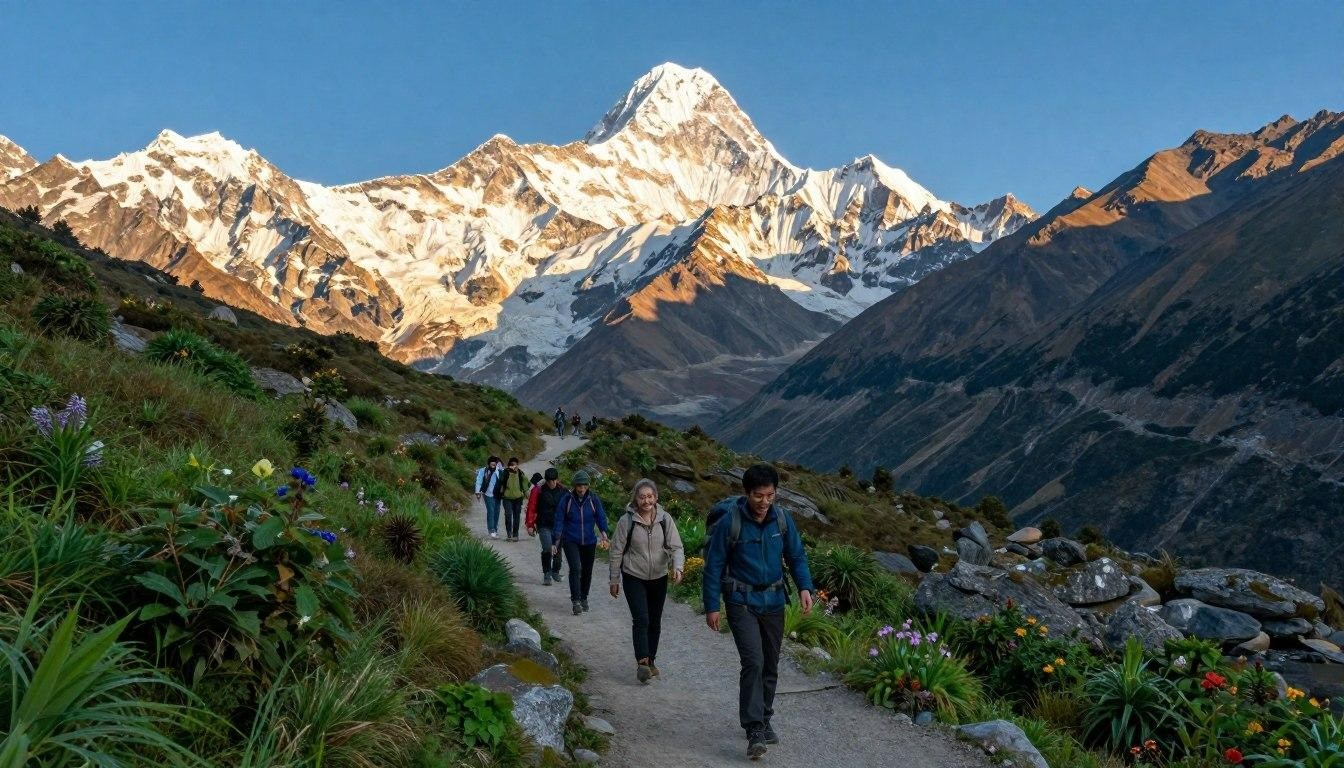
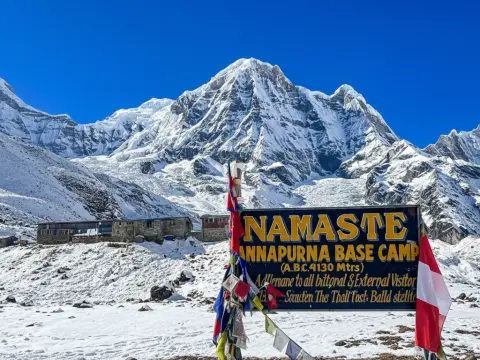
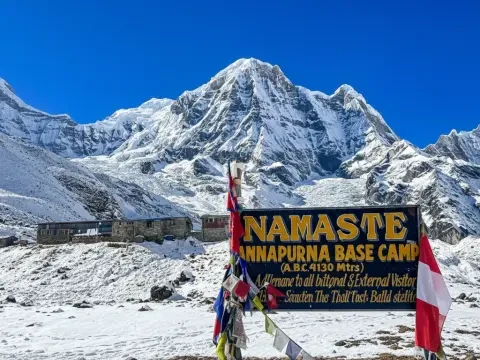
There are various reasons why the Annapurna Base Camp (ABC) Trek is unique. First of all, it provides a variety of landscapes, ranging from bleak, high-altitude terrain to verdant valleys. A visual feast of glaciers, traditional villages, and rhododendron forests awaits trekkers. At 4,130 metres, the Annapurna Base Camp itself is undoubtedly the trek's jewel in the crown.
"A journey through some of the most breathtaking landscapes on Earth, the Annapurna Base Camp Trek offers a truly immersive experience into Nepal's natural beauty and culture."
The cultural significance of the trek is another reason for its fame. Trekkers can engage with local communities and get a firsthand look at their customs and way of life. The ABC Trek is a unique adventure because of its unique combination of natural beauty and cultural diversity.
The Annapurna Region's geography and location
Within the Great Himalayan Range, in the north-central region of Nepal, sits the Annapurna region. The region's diverse topography, which includes alpine and subtropical ecosystems, sets it apart. The Annapurna massif is home to several of the world's highest peaks, including Annapurna I, the tenth-highest mountain.
Area
Characteristics
Notable Elements
Annapurna Region
a varied topography that includes alpine and subtropical ecosystems
The tenth-highest mountain in the world is Annapurna I.
The Himalayan Range
Some of the highest peaks in the world are located there.
High-altitude lakes and glaciers
This diverse terrain is traversed during the trek to Annapurna Base Camp, providing you with breath-taking vistas and a profound understanding of the geography and ecosystems of the area.
The Ideal Season to Go on the Annapurna Base Camp Trek
The Annapurna Base Camp Trek is a year-round destination, but certain seasons offer more favourable conditions. Understanding the weather patterns and trekking seasons is crucial for a successful and enjoyable journey.
Spring Season (March-May)
One of the greatest seasons to walk to Annapurna Base Camp is in the spring. Clear skies and moderate temperatures characterise the generally pleasant weather. The trek is visually stunning because "the rhododendron forests are in full bloom, adding vibrant colours to the landscape." For those who would rather avoid crowds than the busiest autumn season, the spring is the best time of year.
Season of Autumn (September–November)
Another popular time of year to trek to Annapurna Base Camp is in the autumn. The Himalayas can be seen clearly, and the weather is steady. With warm days and cool nights, trekking is most comfortable in the autumn. An experienced hiker once said, "The autumn season provides the most spectacular views of the Annapurna range."
Winter and Monsoon Considerations
Although they have their own charm, the winter and monsoon seasons are not the ideal times of year for trekking. Although the trails can be slick and vulnerable to landslides, the monsoon season offers verdant scenery. Although the high passes can be difficult to traverse because of the heavy snowfall, winter offers a calm and serene setting. Trekkers need to be ready for these kinds of situations.
Getting Ready for Your Adventure in the Himalayas
To guarantee a fun and safe Himalayan experience, careful planning is necessary before starting the Annapurna Base Camp Trek. Achieving a high level of physical fitness and assembling the appropriate equipment are essential components of proper preparation.
Crucial Tools and Equipment
For the Annapurna Base Camp Trek, having the appropriate trekking equipment is essential. This includes comfortable apparel, durable hiking boots, and necessary accessories.
Clothes Suggestions
In order to adapt to changing temperatures, bring layers of breathable clothing. For colder weather, pack insulated layers and a waterproof jacket.
Accessories for Trekking
Don't forget trekking poles for added stability, a first-aid kit, and a water purification system to ensure a safe and healthy trek.
Physical Fitness Requirements
A good level of physical fitness is necessary to tackle the demands of the trek. Regular cardiovascular exercise and strength training can help prepare you.
Training Tips Before Your Trek
Start training at least 2-3 months in advance with cardio exercises like running or cycling, and incorporate strength training to build muscular endurance.
Acclimatization Strategies
To avoid altitude sickness, adopt a gradual ascent strategy, allowing your body to acclimatize to higher altitudes. Include rest days in your itinerary as needed.
Permits and Costs for ABC Trekking
Before setting off on the Annapurna Base Camp trek, trekkers must familiarize themselves with the required permits and associated costs. Understanding these expenses is crucial for budgeting and ensuring a smooth trekking experience.
Required Permits and Documentation
The Annapurna Base Camp trek requires trekkers to obtain specific permits. The primary permits include the Annapurna Conservation Area Permit (ACAP) and the Trekkers' Information Management System (TIMS) card. The ACAP is mandatory for conservation efforts in the Annapurna region, while the TIMS card helps track trekkers' itineraries, enhancing safety.
Budget Breakdown and Expenses
A detailed budget breakdown is essential for managing expenses during the trek. Key components include guide and porter fees, accommodation, and food costs.
Guide and Porter Fees
Engaging a guide or porter can significantly enhance the trekking experience. Guide fees typically range from $25 to $30 per day, while porter fees are similar. Hiring both a guide and a porter can cost around $50 to $60 per day.
Accommodation and Food Costs
Accommodation and food are significant expenses. Tea houses and lodges offer basic amenities, with costs varying based on altitude and availability. On average, trekkers can expect to spend around $30 to $50 per day on food and lodging.
Annapurna Base Camp Trek ABC Trekking Himalayan Trekking: Detailed Itinerary
A detailed itinerary is crucial for the Annapurna Base Camp trek, helping trekkers navigate the Himalayan terrain with confidence. The trek is not just about reaching the destination; it's about enjoying the journey, taking in the breathtaking views, and experiencing the local culture.
Day-by-Day Route Breakdown
The Annapurna Base Camp trek is typically completed over 7-12 days, depending on the route taken and the pace of the trekker. Here's a breakdown of the key days:
Pokhara to Ghorepani
The journey begins from Pokhara, winding through lush forests and picturesque villages. The trail to Ghorepani is approximately 30 kilometres and takes around 5-6 hours.
Pooh Hill to Chhomrong
From Pooh Hill, known for its sunrise views, the trail descends to Chhomrong, a Gurung village. This leg is about 14 kilometres and takes around 4-5 hours.
Bamboo to Annapurna Base Camp
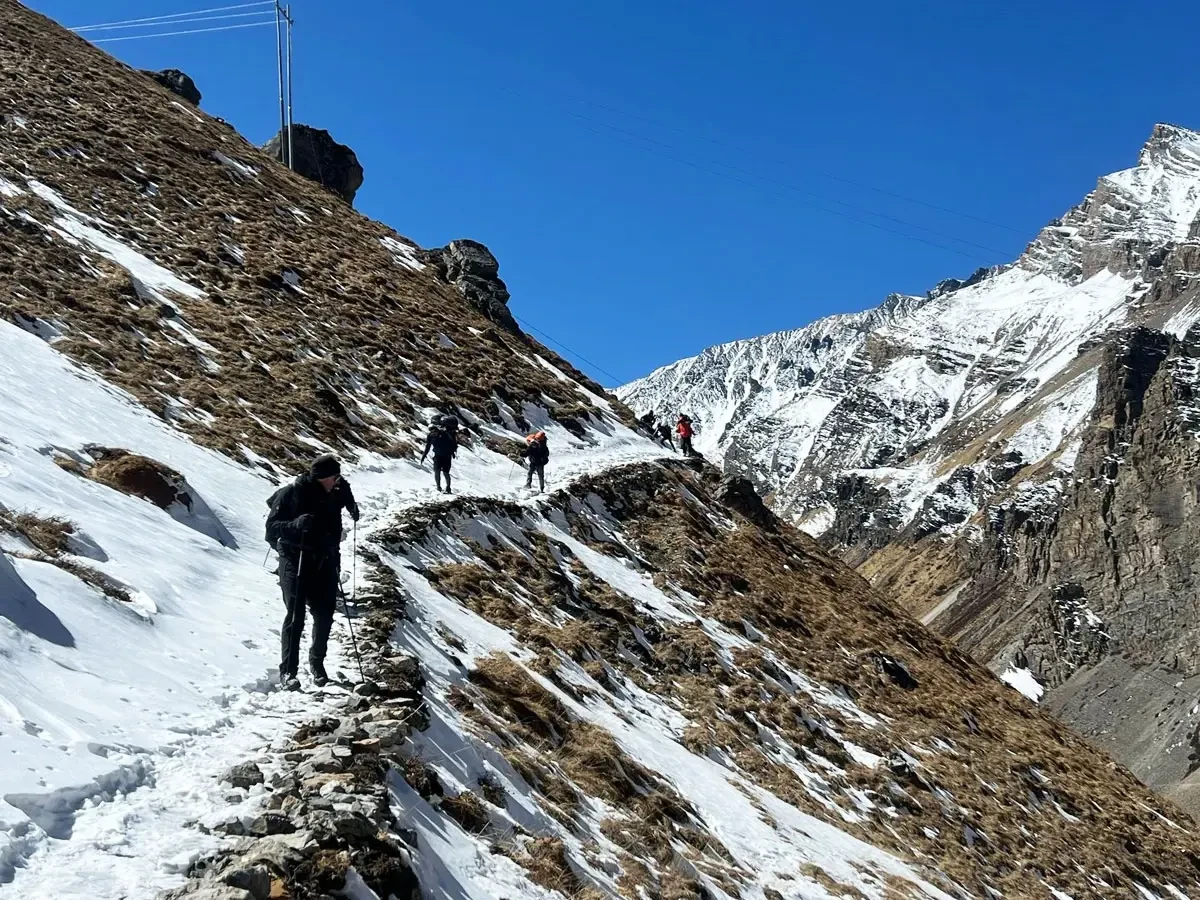
The trail from Bamboo to Annapurna Base Camp is a highlight, passing through scenic landscapes and reaching the base camp at 4,130 meters. This day's trek is approximately 7 kilometers and takes around 4-5 hours.
Descent Route Variations
Trekkers have the option to descend via different routes, such as taking the trail to Jhinu Danda for hot springs or going directly to Phedi. The choice depends on time and personal preference.
Altitude Considerations and Acclimatization Days
Altitude sickness is a significant risk on high-altitude treks like Annapurna Base Camp. Acclimatisation days are crucial, allowing the body to adjust to higher elevations. Rest days in places like Chhomrong or Dovan help mitigate the risk.
Altitude Sickness Prevention Tips:
Ascend gradually, avoiding rapid height gain.
Stay hydrated and eat well.
Be aware of symptoms and act promptly if they occur.
Day
Route
Distance (km)
Duration (hours)
Altitude (meters)
1
Pokhara to Ghorepani
30
5-6
2,850
2
Pooh Hill to Chhomrong
14
4-5
2,170
3
Bamboo to Annapurna Base Camp
7
4-5
4,130
Accommodation and Food During the Trek
As trekkers make their way to the Annapurna Base Camp, the quality of accommodation and variety of food play a crucial role in enhancing their overall experience. The trekking route is dotted with tea houses and lodges that offer a warm welcome and comfortable lodging.
Tea Houses and Lodges
Tea houses and lodges along the Annapurna Base Camp trek route provide trekkers with basic yet comfortable accommodation. These establishments are family-run, offering a glimpse into the local culture and hospitality.
Facilities and Amenities
The facilities at these tea houses typically include shared or private rooms with basic furnishings, common dining areas, and sometimes, hot showers and Wi-Fi. The amenities can vary, with some higher-end lodges offering additional comforts.
Booking and Availability
Booking in advance is not usually necessary for tea houses, as rooms are generally allocated on a first-come, first-served basis. However, during peak trekking seasons, it's advisable to arrive early to secure a room.
Culinary Experiences on the Trail
The culinary experience is a highlight of the trek, with traditional Nepali cuisine being a staple. Dal Bhat, a lentil soup served with rice and vegetables, is a common meal, providing trekkers with the necessary energy.
Traditional Nepali Dishes
Trekkers can enjoy a variety of traditional Nepali dishes, including Dal Bhat, gorkhali lamb, and selroti (a sweet dessert). These dishes are not only delicious but also offer a taste of local culture.
Dietary Restrictions and Options
While traditional Nepali cuisine is rich and varied, options for those with dietary restrictions are limited. However, most tea houses can accommodate requests for vegetarian meals or gluten-free options with prior notice.
Safety and Health Considerations for Himalayan Trekking
Trekking in the Himalayas can be a thrilling experience, but it's crucial to prioritize safety and health considerations. The high altitude and rugged terrain pose significant risks, making it essential to be prepared.
Altitude Sickness Prevention and Treatment
Altitude sickness is a major concern on the Annapurna Base Camp trek. To prevent it, trekkers should ascend gradually, allowing their bodies to acclimate to the higher elevations. Staying hydrated and recognizing early symptoms are also crucial. If symptoms persist or worsen, descending to a lower altitude is the best course of action.
Emergency Protocols and Evacuation Options
In case of an emergency, having a plan is vital. Trekkers should be aware of evacuation options, including helicopter rescue services. Travel insurance that covers emergency evacuations is highly recommended.
Travel Insurance Requirements
Travel insurance that includes emergency medical evacuation is a must for the Annapurna Base Camp trek. Ensure your policy covers trekking at high altitudes.
Communication During the Trek
While trekking, communication devices like mobile phones and two-way radios can be lifesavers. Many tea houses along the trail offer Wi-Fi and phone charging services.
By understanding and preparing for these safety and health considerations, trekkers can minimize risks and enjoy a successful journey to the Annapurna Base Camp.
Cultural Highlights Along the Annapurna Base Camp Trek
The Annapurna Base Camp Trek is not just a journey through breathtaking landscapes, but also a deep dive into the rich cultural heritage of the region. As trekkers ascend through the hills and villages, they are treated to a vibrant display of local traditions and customs.
Local Communities and Traditions
The trek passes through numerous villages inhabited by diverse ethnic groups, each with their unique cultural practices. The Gurung and Magar communities are prominent among these.
Gurung and Magar Villages
The Gurung people, known for their bravery and rich cultural heritage, inhabit villages such as Ghandruk. Their traditional dances and festivals are a highlight of the trek.
Cultural Etiquette for Trekkers
Trekkers are advised to respect local customs by dressing modestly and removing their shoes when entering temples or homes. This helps foster a positive interaction between visitors and locals.
Religious Sites and Practices
The Annapurna region is dotted with religious sites that reflect the area's spiritual diversity. Buddhist monasteries and prayer flags are common, alongside Hindu temples.
Buddhist Monasteries and Prayer Flags
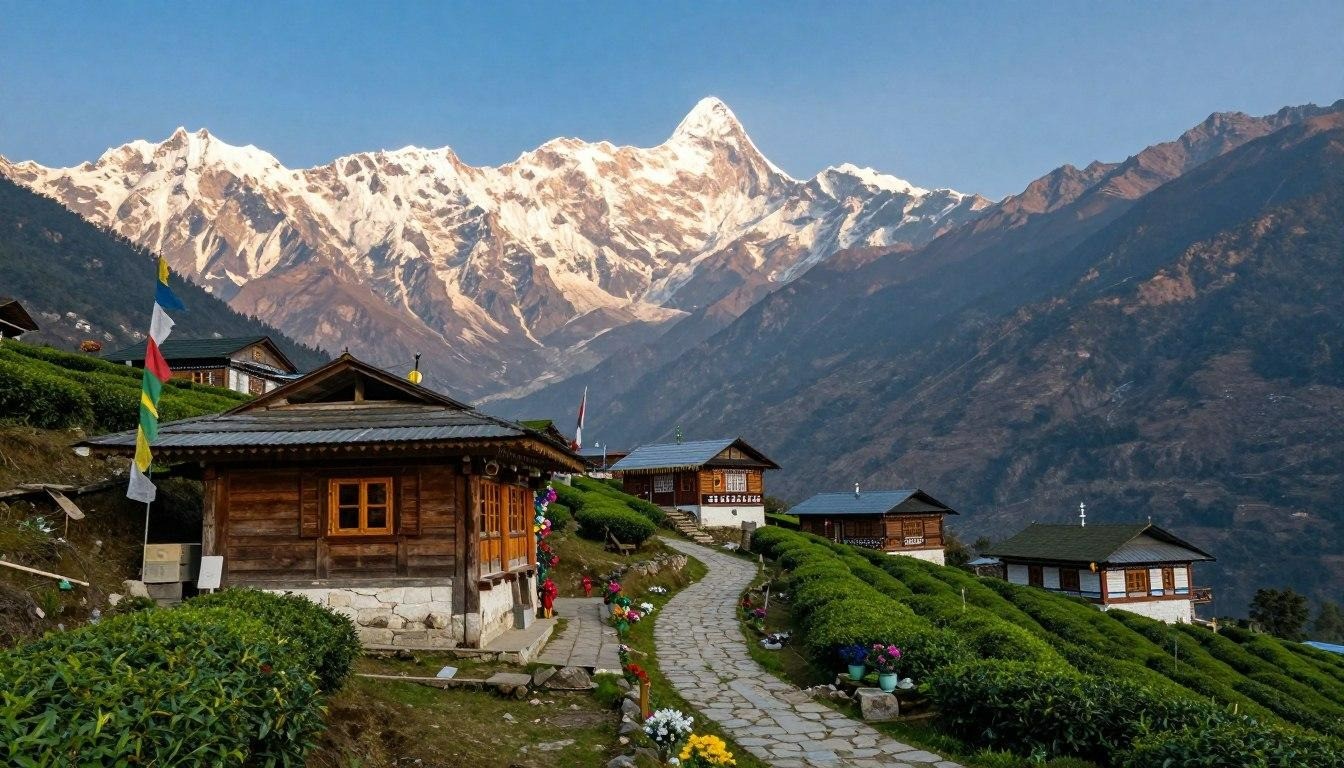
The trek includes visits to monasteries where monks practice Tibetan Buddhism. Prayer flags, inscribed with mantras, flutter in the wind, adding to the spiritual ambiance.
Hindu Influences in the Region
Hindu temples and shrines are found throughout the trek, reflecting the region's significant Hindu population. These sites are integral to the local spiritual landscape.
The cultural richness of the Annapurna Base Camp Trek is a compelling aspect of the journey, offering trekkers a deeper understanding of the region's heritage and traditions.
Langtang Valley: Another Himalayan Trekking Paradise
Langtang Valley, with its breathtaking landscapes and rich cultural heritage, is a must-visit destination for trekkers. Located near Kathmandu, Nepal, this valley offers a unique blend of natural beauty and cultural experiences.
Comparing Langtang and Annapurna Treks
When considering Himalayan treks, both Langtang and Annapurna are popular choices. Here's a comparison of the two:
Difficulty and Accessibility
The Langtang trek is considered moderately difficult, with a relatively easier access route compared to Annapurna. It typically takes 7-10 days to complete.
Scenic Diversity
Langtang Valley offers diverse landscapes, from lush forests to alpine meadows and high-altitude lakes. In contrast, the Annapurna trek is known for its varied cultural experiences and diverse ecosystems.
Characteristics
Langtang Trek
Annapurna Trek
Difficulty Level
Moderate
Challenging
Duration
7-10 days
10-14 days
Scenic Highlights
Lush forests, alpine meadows
Diverse ecosystems, cultural experiences
Unique Features of Langtang Valley
Langtang Valley is renowned for its natural beauty and cultural significance. As noted by trekking enthusiasts, the valley's unique cultural heritage is preserved through its ancient monasteries and traditional villages.
"Langtang Valley is a testament to the resilience of the Nepalese people, with its rich cultural heritage still intact despite the challenges faced."
Cultural Heritage After the 2015 Earthquake
Despite the impact of the 2015 earthquake, Langtang Valley has made significant strides in recovery. The local communities continue to preserve their cultural practices and traditions.
Wildlife and Natural Attractions
The valley is home to diverse wildlife, including the red panda and various bird species. The Langtang National Park offers numerous opportunities for nature lovers to explore.
Conclusion: Why the Annapurna Base Camp Trek Should Be on Your Bucket List
The Annapurna Base Camp Trek is a must-do adventure for any trekking enthusiast. With its stunning Himalayan landscapes, rich cultural heritage, and diverse wildlife, this trek has something to offer for everyone. As you've explored in the previous sections, the trek is relatively accessible, with well-marked trails and comfortable accommodations.
Embarking on the Annapurna Base Camp Trek is a chance to challenge yourself, connect with nature, and experience the warm hospitality of the Nepalese people. Whether you're a seasoned trekker or just starting out, this Himalayan adventure is sure to leave a lasting impression and inspire you to add more exciting journeys to your trekking bucket list.
So why wait? Start planning your Annapurna Base Camp Trek today and get ready for the adventure of a lifetime. With its unique blend of natural beauty, cultural richness, and adventure, this trek is sure to be an unforgettable experience that will stay with you forever.
FAQ
What is the best time to trek to Annapurna Base Camp?
The best times to trek to Annapurna Base Camp are during the spring (March to May) and autumn (September to November) seasons when the weather is generally clear and stable.
Do I need any special permits to trek to Annapurna Base Camp?
Yes, trekkers need to obtain the Annapurna Conservation Area Permit (ACAP) and the Trekkers' Information Management System (TIMS) card. These permits help in conservation efforts and ensure trekker safety.
What kind of physical condition is required for the Annapurna Base Camp Trek?
Trekkers should be in good physical condition, as the trek involves walking for several hours a day at high altitudes. Prior trekking experience is beneficial but not necessary.
How do I prevent altitude sickness during the trek?
To prevent altitude sickness, it's crucial to ascend gradually, allowing for acclimatization. Staying hydrated, avoiding strenuous activity, and considering medications like Diamox can also help.
What are the accommodation options along the Annapurna Base Camp Trek route?
The trek route is lined with tea houses and lodges that offer basic accommodation and meals. The facilities vary from simple to relatively comfortable, with options improving in popularity.
Can I hire a guide or porter for the Annapurna Base Camp Trek?
Yes, hiring a guide or porter is a common practice and highly recommended. Guides can provide valuable insights into the local culture and geography, while porters can help carry your luggage, making the trek less strenuous.
What should I pack for the Annapurna Base Camp Trek?
Essential items include sturdy trekking boots, layers of warm clothing, a waterproof jacket, a sleeping bag, and personal hygiene items. It's also a good idea to pack lightly and efficiently.
Are there any cultural or religious sites along the trek route?
Yes, the trek passes through several villages with cultural and religious significance, including Buddhist monasteries and Hindu temples. Trekkers are expected to respect local customs and traditions.
What is the typical cost of the Annapurna Base Camp Trek?
The cost can vary widely depending on factors like the time of year, whether you hire a guide or porter, and your accommodation choices. Budgeting for permits, food, accommodation, and other expenses is essential.
How do I stay connected during the trek?
Mobile phone coverage is available along most of the trek route, with many tea houses and lodges also offering Wi-Fi. However, the connectivity can be unreliable in some areas.
What emergency protocols are in place during the trek?
In case of emergencies, there are protocols for evacuation, including helicopter services. It's essential to have travel insurance that covers emergency evacuations.