Hire a guide only: Miracle Treks and Expeditions
6 Apr 2023
Hire a professional trekking guide for your adventure in Nepal. Get expert guidance, safety, and local knowledge on your Nepal trek with Miracle Treks.

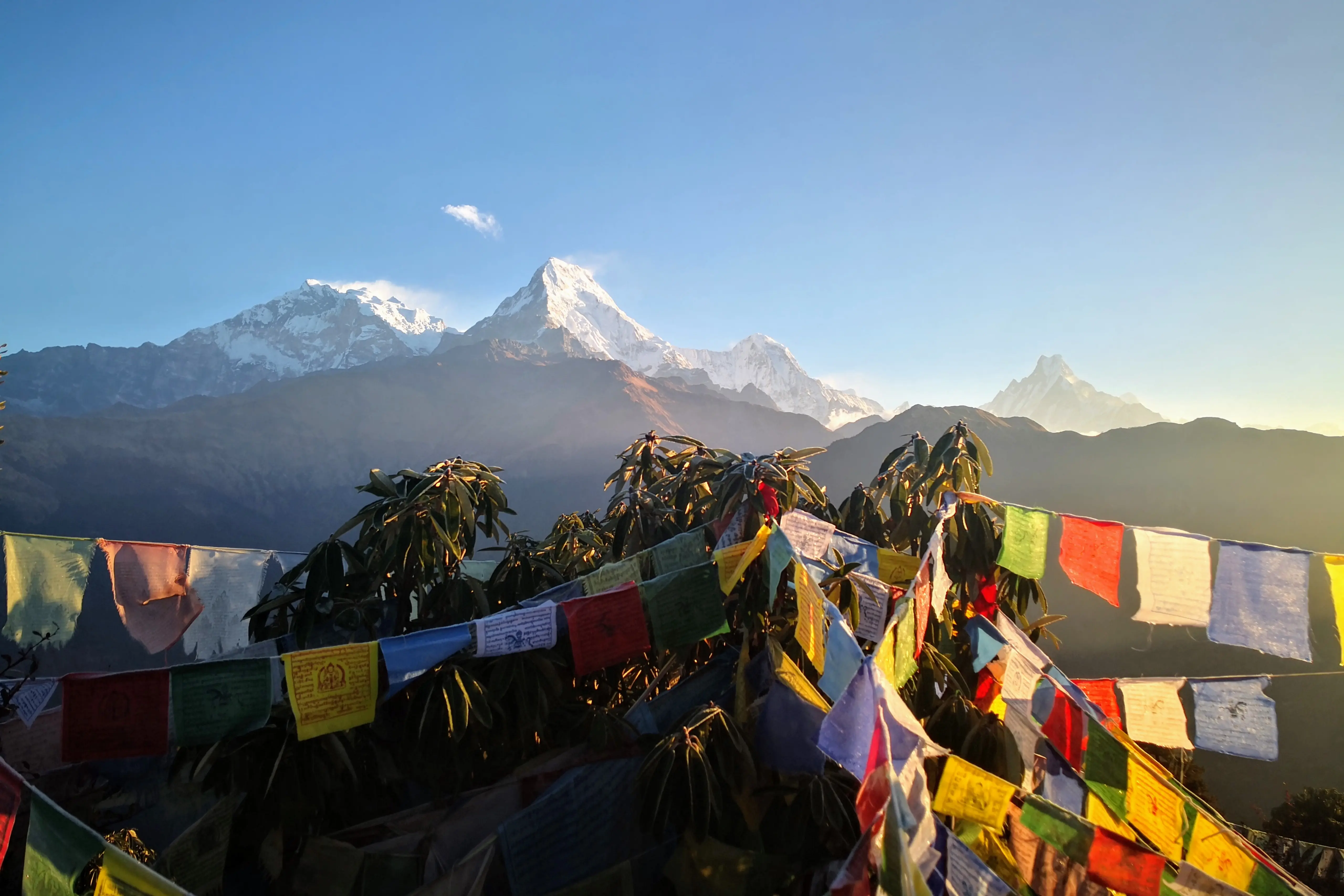
Picture yourself sitting in the midst of a giant bowl of ice, ringed by snow-capped mountains that reach 8,000 metres into the air. Pure air as the earth, prayer flags flapping in the mountain wind, morning sun spilling brilliant golds over the ranges. This is the unmatched magic of Annapurna Base Camp Trek with Poonhill.
This trek blends the best of rich local culture, varied terrain and stunning Himalayan views on one of the world’s most famous trekking routes. Whether hiking through verdant forests of flowering rhododendrons or rocky alpine terrain in the Annapurna Sanctuary, this is a bucket-list adventure for outdoor enthusiasts everywhere.
This full guide will give you all the information you need for this amazing base camping hike. Here is your ultimate roadmap of conquering mighty Himalayas, from must-pack lists to itinerary of poonhill trek.
Maybe you're asking yourself why you would add days onto your trip when you could just go straight to base camp. The answers are acclimatisation, visual rewards, cultural depth.
Most people compare the Annapurna sanctuary and circuit treks in that the sanctuary or base camp route is more like a straight out and back trail. If you can fit the popular ghorepani poonhill trek in at the start of your trip, you can make your linear trip a full varied circuit.
Acclimatisation: Start your trek to Poon Hill (3,210 metres) early so your body has time to acclimatise to the altitude before continuing to base camp at 4,130 metres.
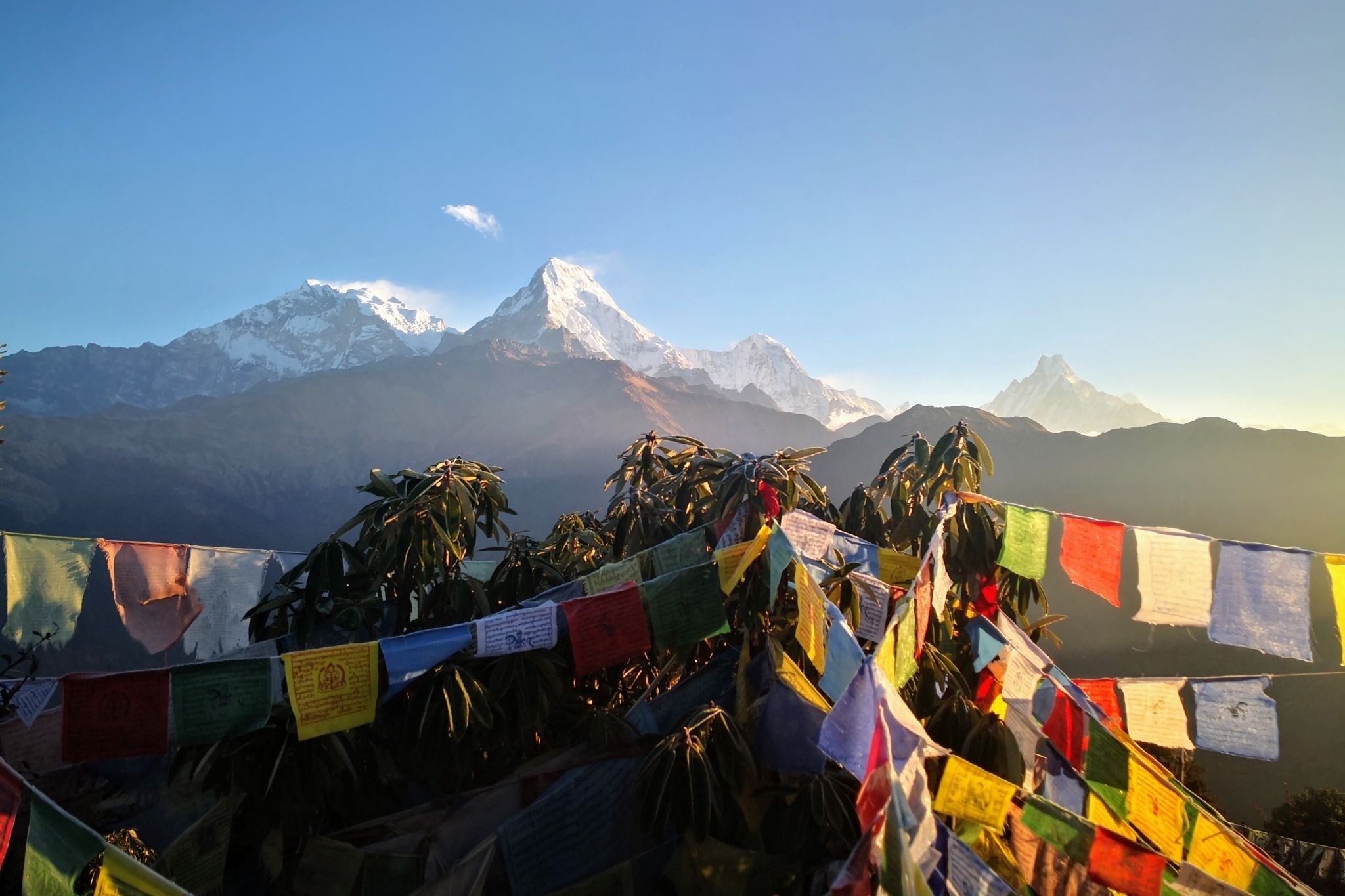
Spectacular Views Panoramic Sunrise View at Poon Hill Viewpoint Don’t miss the moment when the peaks of Mount Dhaulagiri, Annapurna South and Machhapuchhre (Fishtail) are illuminated by the first rays of dawn.
Ecosystem diversity: You start in dense subtropical woods, and then you enter the austere and stunning beauty of the high-altitude glacial basin.
Time to read travel plan? Well.How much time you spend on this adventure will be determined by your speed walking and your choice of trekking routes. The standard 12 day trekking itinerary Nepal has to offer is very popular among the limited time trekkers. The 14 day Annapurna Base Camp Trek is ideal for those who want to see the views and acclimatise well without the physical strains
Day 1-4: Ghorepani to Poonhill trek
Your trek to Annapurna Base Camp Nepal starts with a picturesque drive from Pokhara to Nayapul or Ulleri. You start to climb the famous stone steps to Ghorepani. On the fourth morning you will get up before dawn for spectacular views from Poon Hill.
Days 5-8 The Valley & the Return Climb
Leaving the Poonhill area, the trail climbs and dips through lush gorges. One of the great highlights of this section is the cultural experience in Ghandruk Gurung village (usually done either on the way up or down). Try local delicacies, slate-roofed houses and the traditional Gurung hospitality. You can see the seasonal weather changes in the valley when you come close to the Modi Khola river. The air is colder, the plants are fewer.
Day 9-10 The Call of the Sanctuary
This is the major part of your base camp trek. Here the gorge narrows considerably and there are sections liable to avalanches. The valley will open up and you will soon be graced with the iconic scenery of the Machhapuchhre Base Camp (MBC. But MBC is not really a base camp for climbing (Mount Machhapuchhre is sacred and off-limits), it’s a stunning gateway to the Himalaya. Your last day will be a walk to Annapurna Base Camp where you will spend the night surrounded by giant peaks all around you – 360 degrees of them.
Day 11-14: Falling and Rising
Going down is much quicker. Back through the bamboo forest to Chhomrong. Bonus points: on the way down you get to enjoy the natural hot springs of Jhinu Danda. The roaring Modi Khola river, hot mineral rich waters to unwind in, the perfect way to finish your trek before heading back to Pokhara.
Getting to Annapurna Base Camp takes some planning. Here’s the lowdown on logistics, from permits to when to book your flights.
Timing is a key. Best time to visit Annapurna sanctuary is pre-monsoon (Spring: March to May) and post monsoon (Autumn: September to November) .
Spring: Mild weather. Red and pink rhododendrons along the trails.
Fall – Great mountain views, very stable weather, can be very busy trails.
You are not allowed to enter the territory without the papers You will need Annapurna Conservation Area Project (ACAP) permit and Trekkers' Information Management System (TIMS) card. If you're trekking solo or with an agency you'll need to buy an ACAP and TIMS permit which will cost you about $40-50 USD (depending on exchange rate at the time).
In theory, you could hike this trail alone, but it’s really nice to have an expert around. There are many benefits to hiring a local trekking guide. Your expert guide, who knows thoroughly, will book your teahouse rooms during the busy season, explain the cultural value of the villages, make sure you acclimatise properly and safely guide you through any weather-related trail hazards. Local employment will directly increase the Nepalese economy.
Don’t trek in the Himalayas without proper coverage. High altitude trekking requires travel insurance. Your policy must provide for trekking at least 14,800 feet and emergency helicopter evacuation. Weather in the mountains can be dramatic and even the fittest of travellers can succumb to altitude sickness.
This route is better known for its teahouse infrastructure than for remote camping trips. But what is it?
You will stay in locally owned mountain lodges. The tea house offers very comfortable basic facilities and accommodation. What you will learn:
Rooms are basic but private, generally with 2 single beds with foam mattress and a small pillow. Walls are very thin so bring ear plugs.
Bathrooms: Western-style flushing toilets and hot showers (usually for a small extra charge) at lower altitudes. Expect squat toilets and bucket showers.
Community Amenities: The teahouse’s dining room is the heart of the teahouse. In the middle is a stove of wood or yak dung for keeping the place warm. Here the trekkers come to eat, and to play cards and tell stories. Wi-Fi and charging devices are usually available for a small fee.
The trail menu is unexpectedly varied. There is pasta and pizza, noodles, eggs. But the king of the trekking food has to be dal bhat – a lentil soup with rice, vegetable curry and pickle. “Dal Bhat power, 24 hour!” is a common phrase on the trail, dal bhat is the perfect carb-laden fuel for hiking and teahouses will almost always fill up your bowl for free.
If you are going to hike the world's tallest mountain range for up to two weeks, respect the environment and yourself.
You need to have stamina, but you don't have to be an Olympic athlete. Start a good physical training programme for high altitude mountain hiking 2-3 months ahead of your trip.
Cardiovascular Endurance Running, biking and swimming are all good for lung capacity.
Strength Work: Core and Legs Squats and lunges are mandatory.
Training Hikes – Lace up your hiking boots, pack a backpack weighing 5-7kg, and get out on local trails that offer plenty of elevation gain and stairs. Those stone steps in the Annapurna region are really hard!
Altitude Sickness Management
Above 3,000 metres you are at real risk of Acute Mountain Sickness (AMS). Knowing how to avoid altitude sickness on the Himalayan trails can save your trip – and your life.
3-4 litres of water daily. H2O.
Rule : Sleep Low, Climb High. Don't run so much in one day.
Eat Well plenty of carbohydrates Garlic soup is a local favourite that is said to help with altitude acclimation.
1. Listen to your body. A mild headache is normal but if you are feeling sick, dizzy or short of breath at rest you need to come down straight away. Prevention Before you use Diamox ( Acetazolamide ), talk to your doctor.
Bring: The Gear Guide
You do have to be a little more selective about what you take to the Himalayas. You sweat in the humid low valleys, you freeze next to the glacier. Your friend is deep.
Here is a simple list of what to pack for tea house trekking:
Clothes:
Moisture-wicking base layers for tops and bottoms
Shirts (Short/Long Trekking)
Midlayer: Sweater or fleece jacket
Heavy duty down coat (required for cold morning base camp)
water resistant windproof shell jacket & pants
Trekking trousers preferably zip-off Gloves, beanie, sun hat, warm.
The shoes:
Good walking shoes, broken in with ankle support
Merino wool wicking hiking socks are good
Comfortable slip-on shoes or sandals for use inside the tea houses.
Equipment & Accessories:
Sleeping bag of good quality (rating -15°C, as blankets in the teahouses usually are not sufficient)
30-40 litre day pack (if you have a porter with the main duffle)
Adjustable trekking poles to help save your knees on steep descents
Replacement Headlights Battery
UV-protective sunglasses, high-SPF sunscreen
Health & Hygiene:
Water purification tablets (or filter bottle) Bottled water is costly and creates plastic waste.
A fully stocked first aid kit including blister treatments, pain killers and altitude medication .
Hand sanitizer Wet wipes and toilet paper (not always available in teahouse toilets)
Your hot springs swimmers ! And a fast-dry microfibre towel !
Annapurna Base Camp Trek with Poonhill is a physical challenge and spiritual and cultural awakening. Each step is a new vista from the golden rays of dawn on the Himalayan giants at Poon Hill to the deep silent majesty of Annapurna Sanctuary.
Allow time to acclimatise, pack well, respect the culture of your destination and prepare your body for the rigours of the trail and you’re set for the adventure of a lifetime. The stone steps will test your endurance and the thin air will leave you gasping for breath, but the breathtaking beauty of Nepal’s towering peaks will stay with you forever.
So strap on your boots and get your permits and gear up for one of the best treks on earth. The mountains are calling!

Hire a professional trekking guide for your adventure in Nepal. Get expert guidance, safety, and local knowledge on your Nepal trek with Miracle Treks.
Get all the essential details for the Annapurna Circuit Trek. Plan your trek with tips on altitude, permits, and the best seasons to visit the Annapurna range.
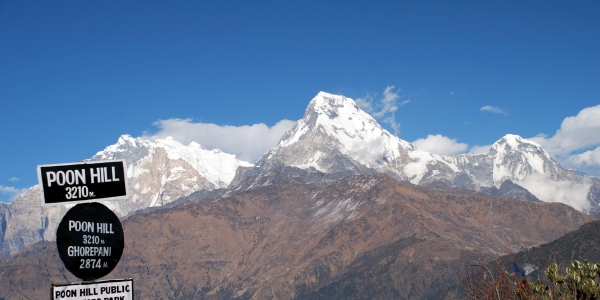
Before embarking on the Annapurna Base Camp Trek, check out essential information about the ABC trek, including route, permits, and best trekking season.
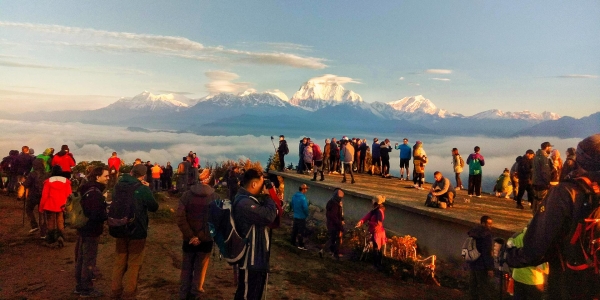
The Ghorepani Poonhill Trek is one of Nepal’s most iconic trekking routes, offering breathtaking sunrise views over the Annapurna and Dhaulagiri ranges. This moderate trek takes you through lush rhododendron forests, traditional Gurung and Magar villages, and serene landscapes, making it perfect for both beginners and seasoned trekkers. Experience the beauty of the Himalayas, immerse yourself in local culture, and witness unforgettable mountain vistas on this enchanting journey.
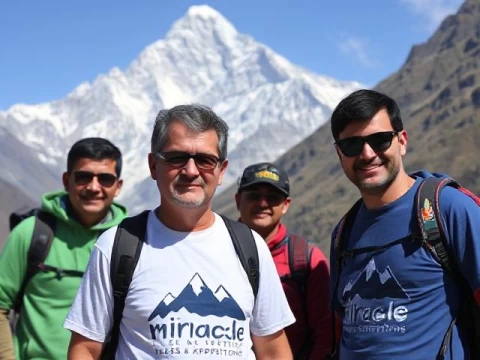
Nestled in the heart of the Himalayas, the Annapurna Circuit Trek is more than just a walk; it's a legendary journey that has captivated the hearts of adventurers for decades. Often hailed as one of the world's best treks, it offers an unparalleled tapestry of experiences: from lush subtropical forests and terraced rice paddies to high-altitude deserts and some of the most dramatic mountain scenery on the planet.
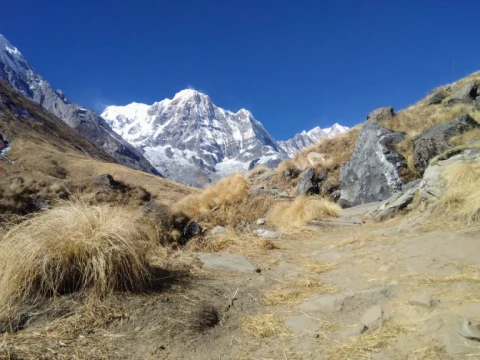
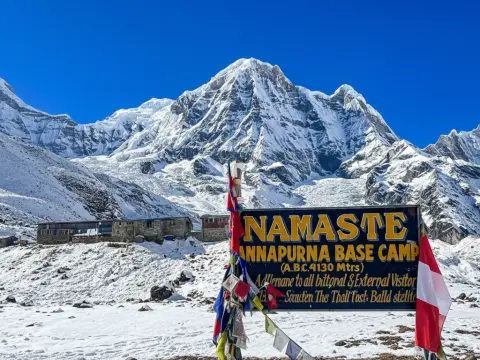
Complete Annapurna Base Camp Trek and Annapurna Circuit guide with route details, itinerary options, cost breakdown, difficulty level, permits, maps, and best seasons.
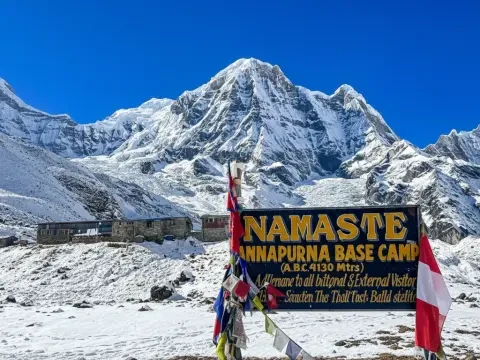
With its vivid colors and warm weather, spring is a wonderful time to trek to Annapurna Base Camp (ABC) in the Annapurna region of the Himalayas. You can enjoy this classic trek for 7-12 days while sightseeing the blooming rhododendrons, magnificent views of several mountain ranges.
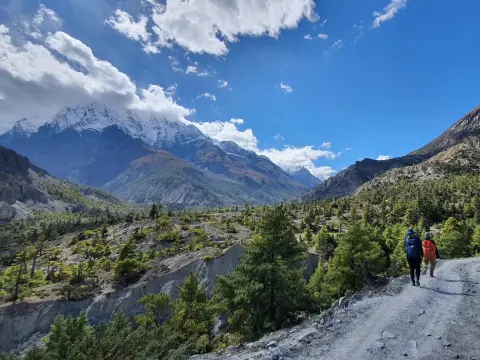
The Annapurna Circuit Trek, one of Nepal's most popular Himalayan trek destinations, encompasses an extraordinary variety of landscapes from sub-tropical valleys to arid high-altitude deserts. The Circuit is approximately between 190 and 230 km, depending on the route taken, and takes 12 - 18 days to complete, combining physical effort with an experience of local culture.
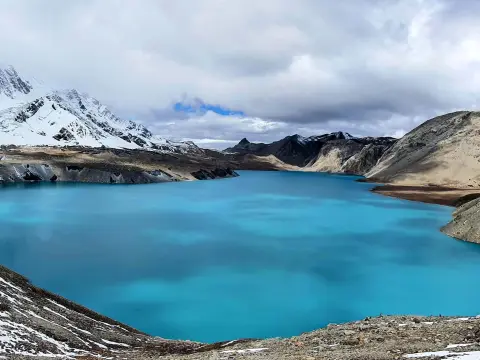
Among the world's most celebrated long-distance treks, the Annapurna Circuit holds a place of rare distinction. Looping around the entire Annapurna massif in northwestern Nepal, this legendary trail weaves through subtropical forests, terraced farmland, ancient villages, high alpine deserts, and glacier-carved valleys, all in a single journey.
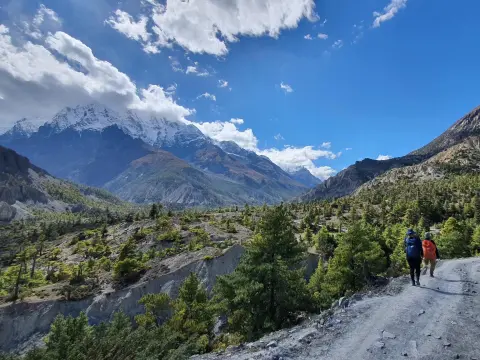
Annapurna Circuit Trek in Nepal is considered as one of the most renowned trekking paths in Nepal. From emerald valleys, lush green fields to high altitude deserts, it includes everything with the backdrop of the majestic Annapurna range.
