
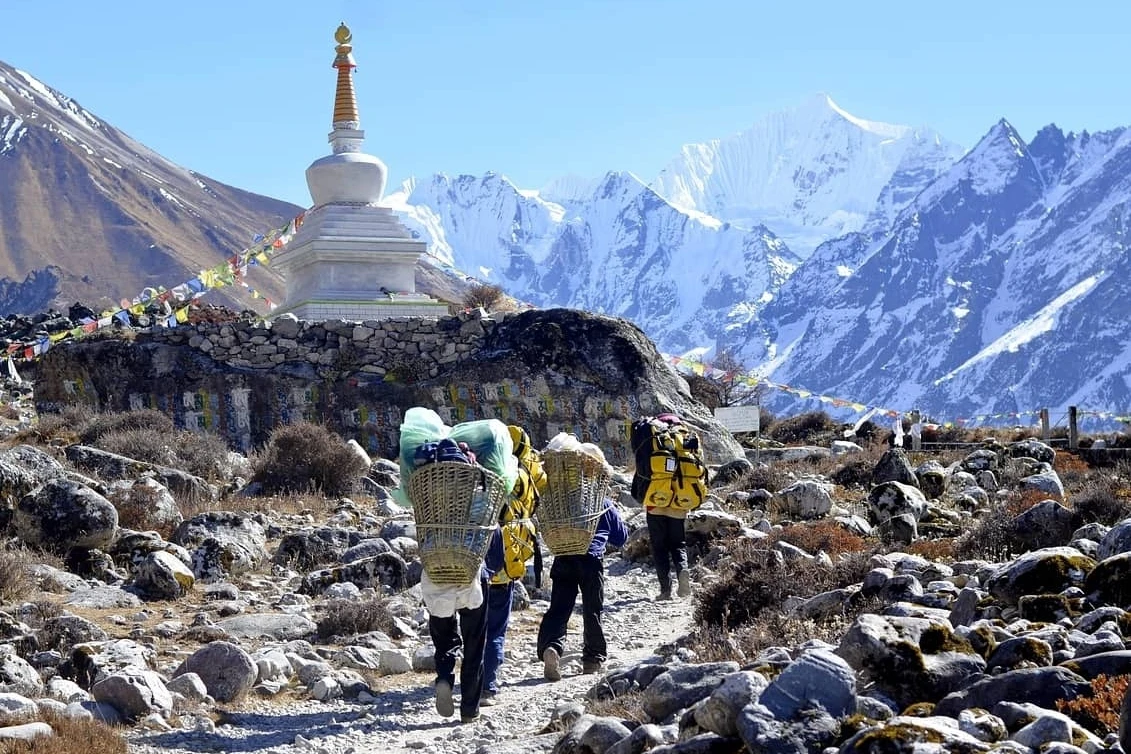
Nepal is a destination that has always been on the bucket list of anyone who loves mountains and adventure. Whether it is a peaceful village trek or a high-altitude trek, trekking in the Himalayas is an experience that you will always remember. Whether you are planning a Himalayan base camp trek, an Annapurna Himalayas trek, or planning big with the Great Himalayan Trail, planning is what makes all the difference. This is because if planning is done correctly, you can visit all the places you want to visit each time in each time frame.
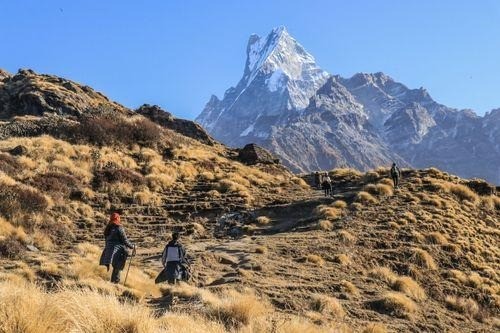
This ultimate guide is meant to help trekkers plan a safe, enjoyable, and unforgettable Himalayan adventure. From choosing the right trekking route and knowing the permit requirements to preparing physically and packing smart, this guide is meant to cover every important aspect of trekking in Nepal’s Himalayas. In this blog post, I will share everything you need to know to plan your Himalayan trek, from research, local knowledge, and common trekking experiences in Nepal.
• Know the basic trekking permits and documentation requirements
• Know the right Himalayan trekking route according to experience level
• Know the season and the right time for trekking
• Know the physical and mental requirements for high-altitude treks
• Know the efficiency requirements for packing according to mountain conditions
• Know the requirements for health, safety, and culture on the Himalayan trails
Nepal’s Himalayan treks attract many trekkers from all over the world because of the unique geographical landscapes, snow-capped mountain ranges, and rich cultural heritage.
Nepal is considered one of the top trekking destinations across the world due to geographical diversity and the availability of trekking infrastructure.
Nepal’s treks will give you a unique experience as you walk through the sub-tropical forests, agricultural fields, alpine meadows, and glaciers. Along the Himalayan trails, you will find different ethnic cultures like Sherpas, Gurungs, Tamangs, and Thakalis.
Nepal’s Himalayan treks are accessible for different experience levels, from beginner trekkers to experienced mountaineers. The Ghorepani Poon Hill trek is a popular trek for first-timers, while the Everest Base Camp and Manaslu Circuit treks are for experienced adventurers.
Nepal has been considered one of the best trekking destinations in the world due to its geographical diversity and its well-developed trekking infrastructure.
Trekking in Nepal will take you through a variety of landscapes, including subtropical forests, farmlands, meadows, glaciers, and mountain ranges. While on a trek, trekkers will come across a variety of cultures, including those of Sherpa, Gurung, Tamang, and Thakali people.
Nepal has a number of treks that are accessible to trekkers of varying experience levels, ranging from novice trekkers to experienced mountaineers. While novice trekkers can try a short, moderate trek like Ghorepani Poon Hill, experienced trekkers can try a challenging trek like Everest Base Camp or Manaslu Circuit.
Trekking in Nepal is not just walking on a track; it is a way to experience new cultures, meet new people, and experience landscapes that are almost untouched by time.
One of the most unique features of the Himalaya trekking experience is the teahouse trekking system. Trekkers will be accommodated in locally owned tea houses that offer food and lodging facilities. This eliminates the need to carry any equipment with you and provides a direct benefit to the local population.
One of the best experiences that the Himalaya trekking route offers is the opportunity to interact with the local mountain communities. This adds immense value to the trekking experience.
The kind of experience you will get will be based on the route you have chosen, your physical condition, and the season you are undertaking the trekking adventure in.
One of the most popular and famous trekking routes in the world is the Everest Base Camp trekking route, which will take you to the base camp of the highest peak in the world, Mount Everest (8,848 m).
Classic Route: The classic route will take you via Namche Bazaar, Tengboche Monastery, and Dingboche. There are other routes such as the Gokyo Lakes Trek and the Three Passes Trek.
The difficulty level of this trek is moderate, and the duration of the trek is 12-14 days.
The Annapurna Base Camp Trek is one of the most popular treks due to the beauty of the surrounding landscape and the moderate difficulty level of the trek.
The trekkers will pass through various forests, waterfalls, farmlands, and villages of the ethnic group of Gurungs before reaching the stunning Annapurna Sanctuary.
The viewpoints for photography will be Poon Hill, Machhapuchhre Base Camp, and Annapurna Base Camp.
The Langtang Valley Trek will provide the trekkers with the richness of Tamang culture and the beauty of alpine landscapes, whereas the Manaslu Circuit Trek will provide the trekkers with an alternative to the Annapurna Circuit Trek.
The Upper Dolpo and Kanchenjunga Base Camp Treks will provide the trekkers with the experience of extreme isolation.
The choice of season is vital.
• Mild climate
• Majestic views of the mountains
• Rhododendron forests in bloom
• Most popular season for trekking
• Stable climate, clear views
• Opportunity to experience cultural festivals like Dashain and Tihar
Trekking in winter is cold but serene, while trekking in the monsoon season provides a beautiful landscape but a slippery track.
• TIMS Card - Mandatory
• Conservation Area Permits - Mandatory
These permits are needed when travelling through restricted areas like Upper Mustang or Manaslu, which can only be arranged through authorized agencies.
Tourist visas are available upon arrival, which can be extended.
The insurance must be comprehensive, covering high-altitude treks, emergency evacuations, etc.
• Cardiovascular training: Running, cycling, and swimming
• Strength training: Leg and core muscle groups
• Practice hikes with backpacks
• Gradual acclimatization
• Rest
• Proper hydration
Mental toughness, a positive mindset, and flexibility are necessary for coping with physical fatigue and other factors.
• Moisture-wicking base layers
• Insulating layers
• Waterproof outer layers
• Trekking boots
• Backpack
• Sleeping bag
• Trekking poles
• Navigation tools
• First aid kit
• Prescription medications
• Sanitation and hygiene supplies
• Water purification
• Acclimatization for altitude sickness
• Emergency communication
• Familiarity with emergency evacuation procedures
• Dress modestly when visiting sacred sites
• Ask for permission for photo shoots
• Navigation and route-finding
• Cultural familiarity
• Safety
• Pay the porter
• Respect the porter
• Ethical porter usage
Cost varies depending on the region and the route, with Everest being more expensive than the Annapurna route. Proper planning can help reduce costs without compromising on safety.
Are you ready to take up the thrilling adventure of trekking in the Himalayas of Nepal?
Yes, you are if you have planned well for your Himalayan adventure.
Are you aware of the trekking route you have chosen for your adventure based on your fitness level and the kind of adventure you want to experience? Are you aware of the documentation required for trekking in the Himalayas of Nepal?
Are you aware of the season you have chosen for your trekking adventure to enjoy the scenic views of the Himalayas? Are you physically and mentally prepared for the adventure? Are you aware of the necessary gear you need to pack for your adventure to withstand the Himalayan climate?
Are you prepared to respect the cultures you will encounter during your adventure? Are you prepared to respect the health and safety requirements for your adventure? Are you prepared to respect the adventure itself rather than the destination you are seeking to reach during your adventure?
If you have answered all these questions affirmatively, then you are ready to take up the Himalayan adventure. Your adventure to the Himalayas will not be just an adventure but a lifelong experience.
