
Nepal’s Himalayan summits provide an alluring destination for adventurous travelers looking to trek some high-altitude summits with a mixture of trekking and basic mountaineering techniques in 2026. While Mera Peak (6476m) and Island Peak (6189m) are the highest trekking peaks and technical treasures of Nepal respectively and provide incredible views of Everest, Lhotse, Makalu and many more, each has its own distinct differences in regards to the terrain, length of time to complete and skill level required to determine which is preferable for you depending on your level of expertise.
Mera Peak is located in the remote Hinku Valley which consists of part of the Mahalangur range in the Sagarmatha Zone, features a wide summit area providing unobstructed 360-degree views of five (5) eight thousand meter (8,000m) mountains which include Mount Everest, Makalu, Lhotse, Kanchenjunga and Cho Oyu . This expedition lasts for 17-20 days from the start of the trek in Kathmandu with a flight to Lukla followed by a trek through lush forests leading you through Sherpa villages (such as Paiya and Kothe) until arrival at base camp (5,100m) and high camp (near 5,800m).
Acquiring the summit of Mera Peak will require a combination of climbing steep snow slopes and walking on glaciers using crampons and ice axes but have little-to-no technical skill; however, your endurance will certainly be tested more than your acrobatic skills will be. The trails used to accomplish this trek will primarily consist of very lightly travelled outback-style tracks with no signs of civilization (other than the occasional teahouse) until you reach high (above 4,500m). Since this mountain is so high, the majority of individuals who complete this expedition are accomplished trekkers seeking to obtain elevation records without exposing themselves to extreme risks.
The astounding Island Peak (Imja Tse) towers above the Imja Glacier in the eastern region of Khumbu, close to trekking trails leading to Mount Everest base camp. Island Peak offers an unobstructed view of The Lhotse, Nuptse, Ama Dablam, and the south face of Mount Everest. The trip will last 15 - 18 days and overlaps with the popular trails leading from Lukla to Namche, Tengboche, Dingboche, and finally Ch118880und (base camp at 4730m), followed by High Camp (5600m) to take on the ultimate challenge - summit island peak.
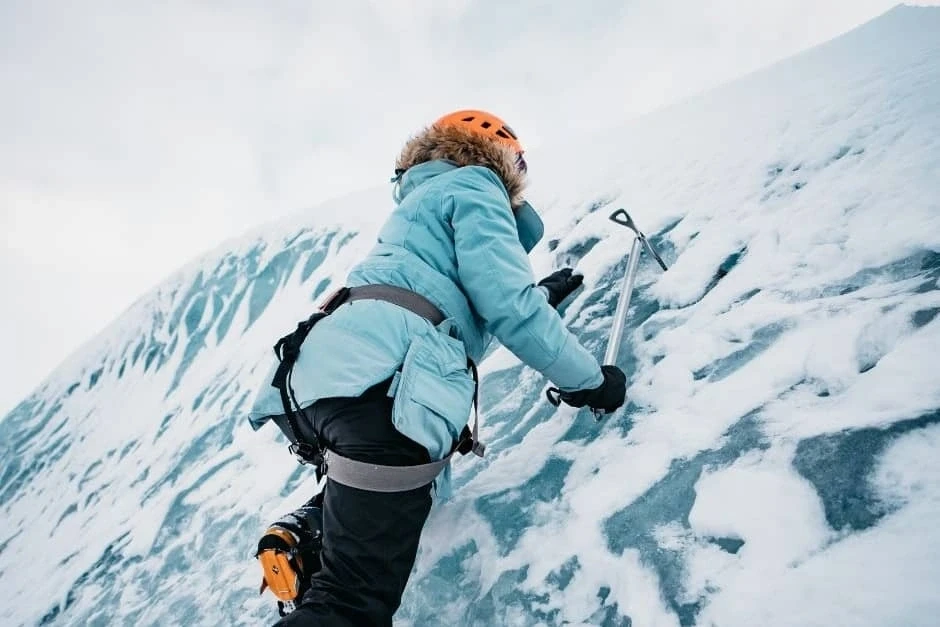
This trip will have several technical elements, including an ice headwall ranging from 45 - 60 degrees, glacier with crevasses, exposed ridges, fixed ropes, jumar ascenders, and ladder crossing, and because of the challenge of the ice element, you will need to be confident in your use of ice.
Routes are busy, so it is a good place to have that energy-filled Mount Everest experience; however, the busyness may limit your chance for solitude, especially during peak times. You must be prepared to challenge yourself to leave behind the trek and mountaineering.
While both peaks are over 6000m and located within the Mount Everest and Khumbu region, both require acclimatization to altitude and are for fit individuals without experience climbing at altitude, however, Mera Peak is primarily endurance for panoramic views, while Island Peak is primarily climbing skills over exposed ice. Mera is located in an isolated area as opposed to island peak which has a higher level of concern for infrastructure.
| Category | Mera Peak (6,476m) | Island Peak (6,189m) |
| Altitude | Highest trekking peak in Nepal | Slightly lower but dramatic |
| Difficulty | Moderate: Snow slopes, glaciers | Challenging: Steep ice, ridge |
| Technical Skills | Basic crampon/ice axe walking | Ropes, ladders, harness/jumar |
| Duration | 17–20 days (longer access) | 15–18 days (EBC overlap) |
| Crowds | Low, peaceful remote valleys | High, busy peak seasons |
| Physical Demand | High endurance, altitude focus | High stamina + technical strength |
| Best For | Beginners/first 6,000er seekers | Experienced trekkers craving challenge |
| Scenery | Wide 8,000m panoramas | Close Everest amphitheater |
1st & 2nd Day: Arrival in Kathmandu and equipment checks before receiving permits
3rd Day: Fly to Lukla (2,860m) and then Paiya
4th-12th Day: Trek to Zungu, Chatrabu, and Kothe (3,600m), then ascend to Thangnak (4,350m) and Khare (to acclimatize) and high camp
13th Day: Summit attempt (6-8 hours to the summit) and descend back to base camp
14-18th Day: Retrace the initial route to Lukla and fly back to Kathmandu
A few extra rest days assist acclimatization to the remote and higher altitude, and optional cultural side trips (to Rammo Gompa) are available throughout
1st & 2nd Day: Fly from Kathmandu to Lukla, and then by foot to Phakding and Namche (3,440m) for market day.
3rd-7th Day: Walk to Tengboche Monastery, Dingboche (to acclimatize) and Chhukung to build the base camp for Island Peak and prepare for glacier training.
8th Day: Ascend to High Camp and attempt to summit (10–12 hours)
9-16th Day: Return to Kathmandu via Pangboche following the same route back down the mountain.
Mera's extra days focus on building gradual conditioning, while Island condenses intensity in a shorter time.
The cost will vary with the season (generally pricier in spring and autumn) as well as by group size (4-10 will result in a 15-20% reduction) and operator and cover guides, Sherapas for climbing (1:2), porters, accommodation, food, permits and flights. There will be a 5-10% increase in costs by 2026 based on increased logistical costs for Mera.
| Cost Item | Mera Peak (USD) | Island Peak (USD) |
| Group Package | 2,400–3,200 | 2,200–2,900 |
| Permits (Spring) | 300–350 | 300–350 |
| Climbing Sherpa | Included | Included |
| Flights/Meals/Lodge | Included | Included |
| Insurance/Tips/Extras | 500–800 | 500–800 |
Find groups for value; individuals pay high.
Spring (March-May): Stable weather with good snow conditions; lots of blossoms blooming- double permits.
Fall (September-November): Crystal clear days; less chance of storms. Avoid climbing in the monsoon/rainy season (avalanche hazard). 2026 will fill quickly- make your reservations early.
The Ultimate climbing experience will be a combined trip of approximately 22+ days combining both mountains.
Mera and Island Peaks in Nepal are both offered as climbing destinations in 2026. Both have incredible places to fulfill your climbing spirit; Mera Peak lifts you up to new heights of tranquility, while Island Peak will chill you to the bone. Both will give you unforgettable memories while under the protection of The Great Mountain, Everest.
Climb with Miracle Treks & Expeditions. Our Sherpas are the best in the business and provide you with complete support during your climb. We help you prepare for your climb from the moment you contact us to when you finish.
A: No, you must go with a group/guide to obtain a permit for Mera Peak.
A: Approximately three to six months of cardio and climbing basics before you go.
A: Mera offers a much broader view of mountains; Island is more intimate with fewer climbers and will provide grand views but more of a "close" connection with other climbers and more minor geographical parts (valleys/foothills).
