
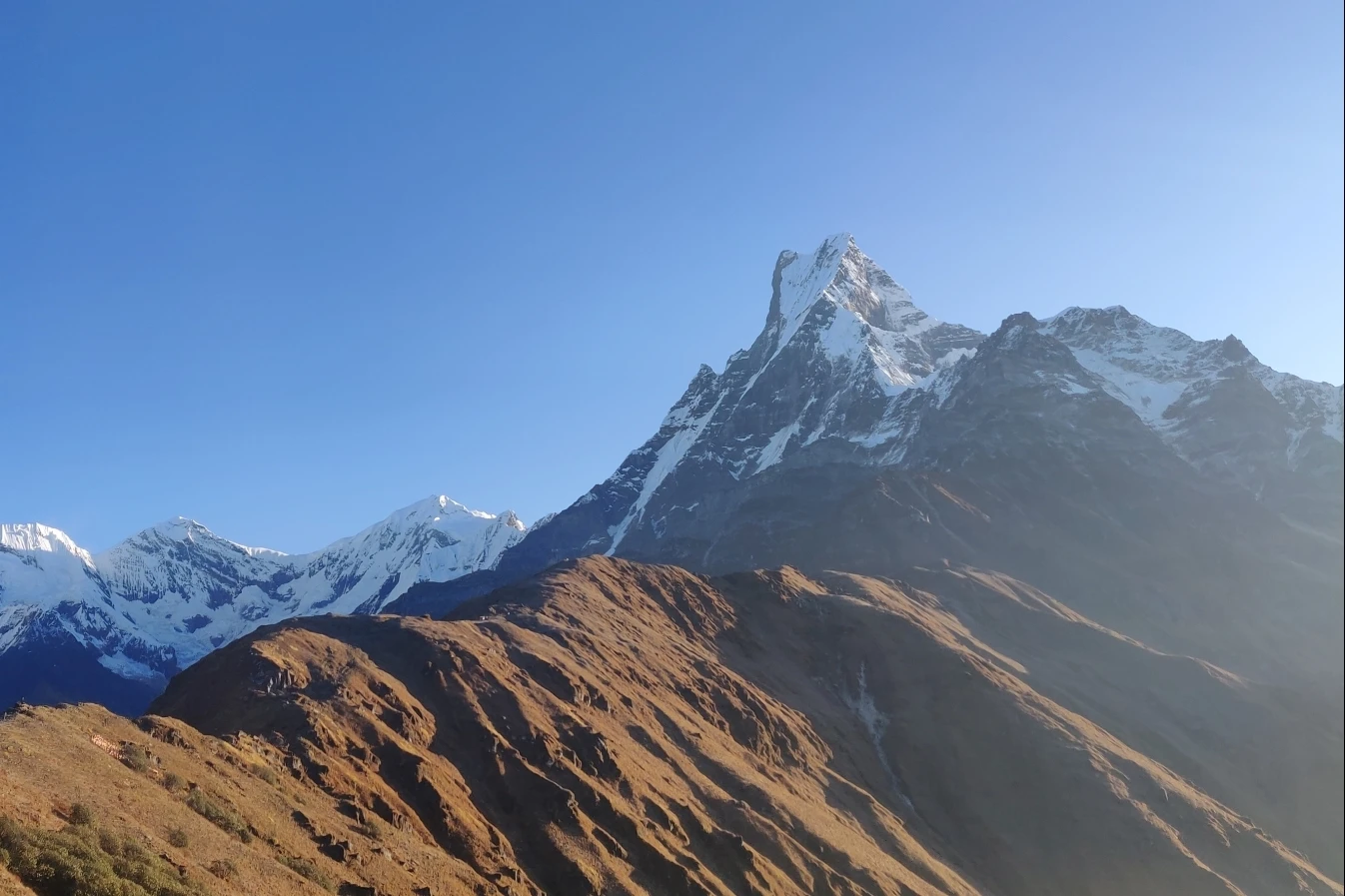
Embark on the Mardi Himal Trek for breathtaking views, serene trails, and a unique adventure in Nepal's Annapurna region. Discover essential tips, itineraries, maps, and costs for this hidden gem trek.
Exploring the Beauty of Mardi Himal Trek
Nepal’s Annapurna region is globally renowned for its towering peaks, rich culture, and breathtaking landscapes. For decades, adventurers have flocked to its famous trails, but tucked away on a spectacular ridge is a hidden gem that has steadily captured the hearts of hikers worldwide. The Mardi Himal Trek offers an unparalleled journey through pristine forests, traditional mountain villages, and rugged high-altitude terrain.
If you are looking for an adventure that combines raw natural beauty with a quieter, more intimate trail experience, this route deserves a top spot on your bucket list. Whether you are a seasoned mountaineer or a novice hiker, trekking mardi himal promises an unforgettable experience. In this comprehensive guide, we will explore everything you need to know to conquer this spectacular ridge.
Why Choose the Mardi Himal Route?
When researching Himalayan adventures, you will likely find yourself weighing Mardi Himal vs Annapurna Base Camp. While the Annapurna Base Camp (ABC) trek is a legendary and deeply rewarding route, it can become heavily congested during peak trekking seasons. You often share the path with large groups, and securing a bed in the tea houses can be highly competitive. In contrast, the Mardi route is relatively newer and less commercialized.
Instead of walking through a deep, enclosed valley like the ABC route, the Mardi trail follows an ascending ridge. This means you are constantly treated to sweeping, unobstructed panoramas of the surrounding valleys and peaks. Furthermore, it is widely considered one of the most rewarding short treks near Pokhara for beginners and intermediate hikers. Although it features some challenging steep ascents, the relatively short daily walking hours make it highly accessible for those who have a baseline level of physical fitness but limited time in Nepal.
Visualizing the Journey
Before you even lace up your boots, it is crucial to study a mardi himal map. Unlike traditional valley treks that cross numerous suspension bridges and rivers, this trail predominantly navigates a single, continuous ridge line known as the Machhapuchhre ridge. Having a reliable mardi himal trek map on hand whether a physical topographical copy or an offline digital version downloaded to your phone helps you understand the daily elevation gains and the distances between remote tea houses.
As you trace the route on your map, you will see that the trail is deliberately positioned to maximize the visual reward. Because you are hiking along an elevated spine, you are offered unparalleled, scenic views of Mount Machhapuchhre and Annapurna South right from your bedroom window at various tea houses. The sheer proximity to Mount Machhapuchhre (the famous "Fishtail" mountain) is what makes this trek so incredibly unique; it feels as though you could reach out and touch the sacred peak.
Crafting Your Mardi Himal Trek Itinerary
A well-planned mardi himal trek itinerary is the key to a successful and enjoyable journey. Most trekkers complete the route in 4 to 6 days, depending on their pace and starting point. To help you structure your trip, here is a highly recommended mardi himal itinerary that balances challenge with proper acclimatization.
Many hikers opt for a 5 day itinerary from Kande to Forest Camp, continuing upward to High Camp, and finally reaching the ultimate destination at Base Camp before descending back to civilization.
Extending the Adventure
If you have a few extra days to spare in Nepal, combining trails is a fantastic way to experience the diverse microclimates and landscapes of the Annapurna Sanctuary.
The mardi himal and poon hill trek is a highly popular hybrid route. By starting in Nayapul and heading up to the famous Poon Hill viewpoint first, you can enjoy the spectacular sunrise over the Dhaulagiri and Annapurna ranges. After Poon Hill, instead of looping back, you can cut across the valleys to join the Mardi ridge. This combination adds about 3 to 4 days to your trip and provides a brilliant mix of cultural village immersion and high-altitude ridge walking.
Alternatively, for those seeking true off-the-beaten-path solitude, combining the mardi himal and khopra danda trek creates a spectacular, less-traveled loop. The Khopra Danda trek is famous for its remote community lodges and the sacred Khayer Lake. Connecting these two ridges offers the ultimate Annapurna experience for seasoned trekkers craving wilderness.
Best Time to Go
Choosing the right season can make or break your Himalayan expedition. The best time to trek mardi himal aligns closely with the best time for trekking in Annapurna region overall: the Spring (March to May) and the Autumn (September to November).
Spring (March to May): Springtime brings warmer temperatures, longer daylight hours, and generally clear mornings. This is undoubtedly the perfect window to witness the vibrant rhododendron forests during spring season. The lower sections of the trail, particularly between Deurali and Low Camp, transform into a magical wonderland of red, pink, and white blooms, creating a stunning contrast against the blue skies and white peaks.
Autumn (September to November): Autumn offers the sharpest, most crystal-clear mountain views. The monsoon rains have washed away the summer dust, leaving the air crisp and the weather highly stable. This is the busiest time on the trails, but because Mardi is quieter than ABC, it remains pleasant.
Regardless of the season you choose, you must be fully prepared for the extreme weather conditions at 4500 meters altitude. When you reach the Base Camp, the environment is harsh. Temperatures can easily plummet well below freezing, and fierce, icy winds are a daily occurrence. Layering and proper wind protection are mandatory for summit day.
Budgeting for the Trek
One of the most appealing aspects of this route is its affordability. The overall mardi himal trek cost is relatively low compared to longer, more remote Himalayan expeditions like the Everest Base Camp or Manaslu Circuit treks. Because it is a shorter trek, you save significantly on daily expenses and do not require expensive internal flights.
Your budget will primarily consist of permits, transportation, food, and lodging. You can generally expect the average cost of food and accommodation in tea houses to range between $25 to $35 USD per day, per person.
Accommodation itself is usually very cheap (often just a few dollars a night), provided you eat your meals at the tea house where you are sleeping. As you climb higher up the ridge, the prices for basic items like dal bhat (the traditional Nepali lentil and rice dish), bottled water, hot showers, and charging your electronics will naturally increase. This price bump is entirely justified by the immense logistical challenges of transporting heavy goods up the steep mountain trails via mules or human porters.
Preparation and Permits
Before embarking on your journey, you must organize the necessary government paperwork. Nepal strictly regulates its conservation areas to protect the delicate alpine ecosystems. The Annapurna Conservation Area Project permit requirements dictate that every international trekker must possess an ACAP entry permit, as well as a TIMS (Trekkers' Information Management System) card. You can easily obtain these permits at the Nepal Tourism Board offices in either Kathmandu or Pokhara. You will need to provide a few passport-sized photos and your passport details.
While the Mardi trail is well-marked and relatively easy to navigate compared to deep wilderness routes, hiring a local guide in Pokhara is highly recommended. Not only does this practice support the local Nepali economy, but a knowledgeable guide will vastly enhance your experience. They can point out local flora and fauna, secure the best rooms in crowded tea houses (which is vital at High Camp, where accommodation is limited), and most importantly, ensure you stay safely on the trail during unexpected fog or weather changes.
Gear and Packing Essentials
Packing light but smart is the golden rule of mountain travel. Carrying an excessively heavy backpack will quickly drain your energy on the steep inclines. Curating a practical, minimalist packing list for tea house trekking in Nepal will keep you comfortable without burdening your back or your porter’s back.
Key items to include:
If you don't want to fly internationally with bulky, expensive gear, you are in luck. You can easily arrange trekking gear rental in Lakeside Pokhara. The tourist hub of Pokhara is lined with numerous trekking shops that offer high-quality sleeping bags, down jackets, trekking poles, and even backpacks for just a few dollars a day. Renting is an eco-friendly and budget-conscious way to prepare for your hike.
Health and Safety on the Trail
Altitude is the ultimate equalizer in the Himalayas. It does not care about your age, gender, or marathon times at sea level. Even on shorter routes like Mardi Himal, altitude sickness—formally known as Acute Mountain Sickness (AMS)—is a real risk once you cross the 3,000-meter threshold.
Avoiding altitude sickness on Himalayan trails requires a proactive, mindful approach to how you hike:
Conclusion
The Mardi Himal Trek perfectly bridges the gap between accessibility and raw, rugged wilderness. It strips away the heavy commercialization found on older routes, allowing you to connect deeply with the staggering scale of the Himalayas. From the vibrant, blooming lower forests to the harsh, breathtaking majesty of the Base Camp, every step on this ridge offers a new perspective of the world’s most famous mountain range.
By thoroughly preparing your gear, understanding the permits, respecting the altitude, and choosing the right itinerary, your adventure will be nothing short of spectacular. Whether you are walking above the clouds at sunrise or sipping warm tea in a cozy dining hall alongside fellow travelers, trekking the Mardi Himal ridge is an experience that will echo in your memory long after you have descended back to the valleys of Nepal. Lace up your boots, pack your bags, and get ready for the ridge walk of a lifetime!
