
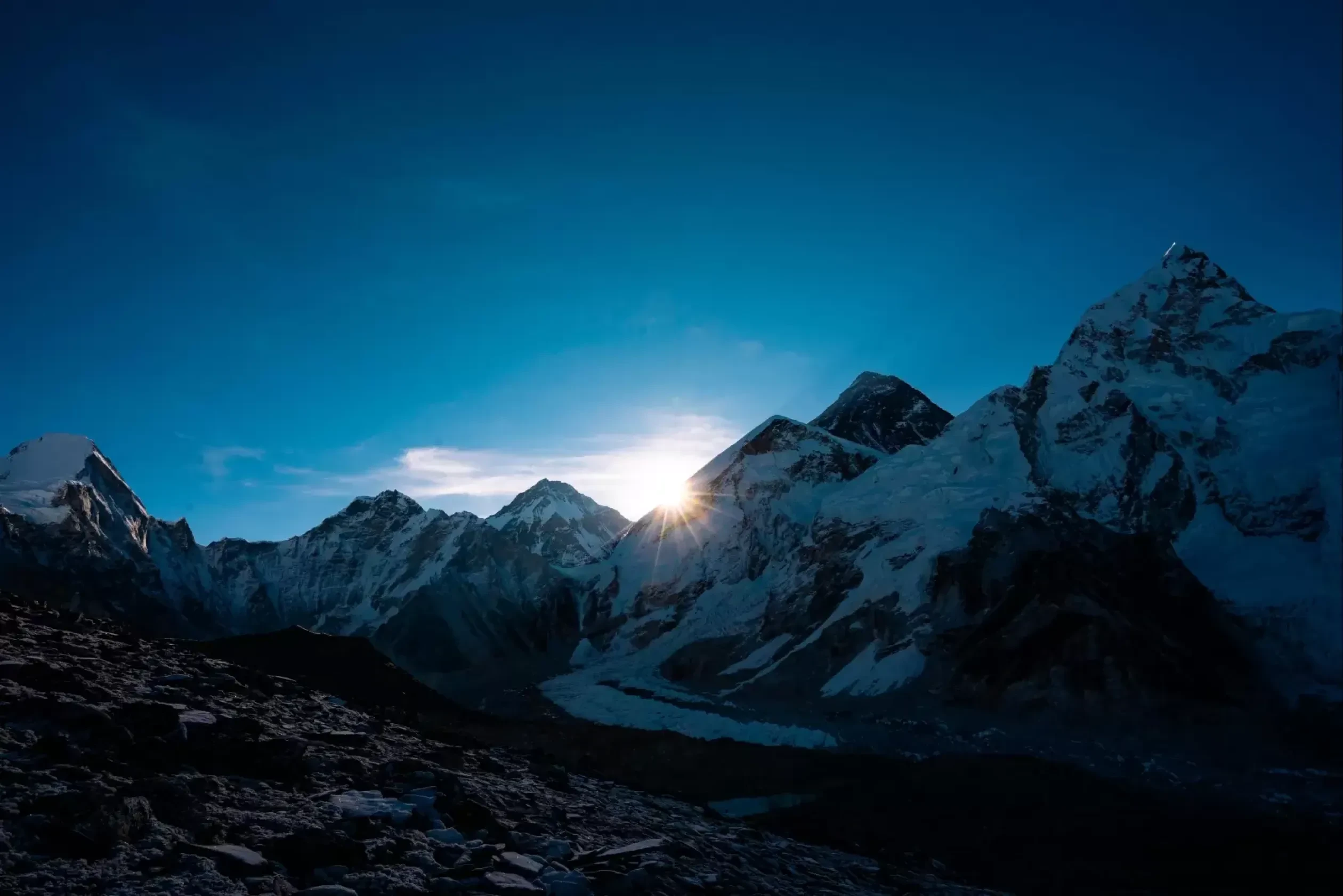
The majestic Himalayas have long beckoned adventurers, spiritual seekers, and nature enthusiasts from across the globe. Standing at the roof of the world, Nepal offers an unparalleled tapestry of towering peaks, ancient trails, and vibrant mountain cultures. However, the way you experience this breathtaking landscape can vary dramatically depending on your travel style and financial investment. The debate between Luxury vs Budget Treks in Nepal is more relevant today than ever before, as the region’s tourism infrastructure has evolved to accommodate both the most frugal backpackers and the most discerning luxury travelers.
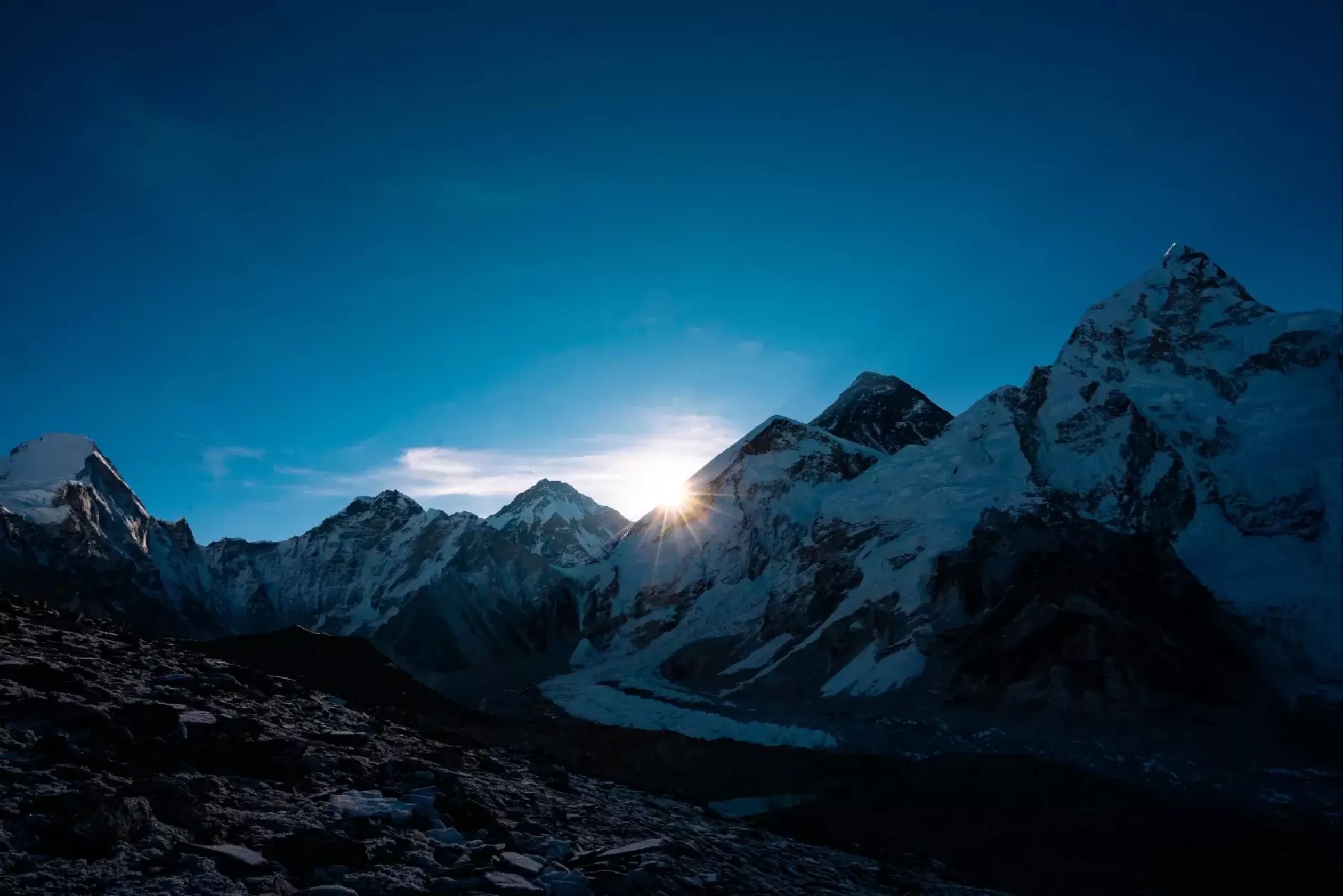
Whether you want to carry your own backpack from one rustic village to the next or prefer sipping barista-made coffee in a heated room overlooking Mount Everest, Nepal adventure travel has something tailored exactly for you. But how do you decide?
In this comprehensive Nepal hiking guide, we will dive deep into every aspect of Himalayan trekking. We will explore the differences between tea house trekking and luxury lodges, break down the trekking cost in Nepal, and help you determine exactly which style aligns with your physical capabilities, time constraints, and travel aspirations.
For decades, affordable trekking Nepal was the only way to experience the high Himalayas. Trekkers relied on basic, family-run teahouses for shelter and sustenance. It was a raw, unfiltered experience that demanded physical resilience and a willingness to step far outside one's comfort zone.
Today, the landscape of Nepal trekking packages has dramatically transformed. While the traditional, budget-friendly teahouse routes remain incredibly popular, the rise of luxury travel Nepal has introduced a new tier of exploration. Now, you can find some of the best Nepal treks outfitted with world-class hospitality, proving that you no longer have to sacrifice comfort to witness the grandeur of the world's highest mountains.
Whether you are looking into nepal trekking tours for a family vacation, a solo soul-searching journey, or a romantic high-altitude honeymoon, understanding the core differences between budget and luxury options is the crucial first step.
When we talk about budget treks in Nepal, we are referring to the classic teahouse trekking experience. This is the traditional way to explore the Himalayas and remains the most popular choice for young travelers, backpackers, and purists who want to experience the mountains exactly as the locals and early pioneers did.
A teahouse is a small, mountain-style guesthouse usually run by a local family. On a budget trek, you hike from village to village, sleeping and eating in these communal lodges. The atmosphere is highly social. The dining room is usually the only heated room in the building, warmed by a central yak-dung stove. Here, trekkers from all over the world gather to share stories, play cards, and drink copious amounts of hot ginger tea.
If you are putting together a plan on how to plan a budget trek in Nepal, expect the following:
For those venturing alone, budget trekking is incredibly accessible. The main trails (like Everest and Annapurna) are well-marked, and the constant flow of other trekkers and locals means you are rarely truly isolated. Solo travelers can easily book basic nepal trekking tours upon arriving in Kathmandu or simply acquire the necessary permits (TIMS and ACAP/Sagarmatha National Park entry) and set off independently. Staying in standard teahouses keeps your daily expenses remarkably low, often ranging between $25 to $40 a day for food and a bed.
At the other end of the spectrum is luxury trekking nepal. Over the past decade, several high-end lodge networks have been constructed along the lower and mid-altitude sections of popular routes. These nepal luxury treks cater to those who want to experience the rugged beauty of the Himalayas without the rugged living conditions.
When you book the best luxury treks in nepal, your days still involve challenging physical exertion—you are still hiking through the same awe-inspiring landscapes as the budget trekkers. The transformation happens the moment you arrive at your destination for the night.
When comparing standard mountain lodge facilities vs boutique hotels, these high-end mountain lodges act as the latter. They provide a sanctuary of warmth, impeccable service, and aesthetic beauty that allows your body to recover much faster from the day's physical toll.
To truly understand which option is right for you, we must look at the specific differences between tea house trekking and luxury lodges across various categories.
Budget: Recovery on a budget trek relies heavily on your sleeping bag. Rooms drop below freezing at night at higher altitudes. You will likely use wet wipes for hygiene to avoid paying for a tepid shower, and you will sleep in your thermal layers. Luxury: After a long day of hiking, you are greeted with a hot towel and a warm drink. You can take a hot shower, wear comfortable lodge clothes, and sleep in a heated bed. This dramatically improves muscle recovery and overall morale, making an Everest luxury trek highly appealing to older trekkers or those not accustomed to roughing it.
Budget: If you hire a guide on a budget, they are often shared among a larger group. Porter and guide hiring tips for budget hikers usually involve negotiating rates in Kathmandu or hiring directly at the trailhead (like Lukla or Pokhara) to save money. You might hire one porter to carry a single duffel shared by two people. Luxury: Luxury treks are almost always fully supported. Private guide vs group trekking costs Nepal vary, but luxury packages inherently include private, highly experienced English-speaking guides and a dedicated team of porters or pack animals. You carry nothing but a light daypack with your water and camera.
Budget: Budget trekkers often push themselves to walk longer days to save money on daily living expenses. This can sometimes lead to rushed itineraries and a higher risk of altitude sickness if acclimatization days are skipped. Luxury: The pacing on high-end treks is generally more relaxed. The focus is on enjoyment and immersion rather than rushing to the finish line. Best luxury trekking companies in Nepal design itineraries that prioritize safe acclimatization and maximize time spent enjoying the breathtaking viewpoints.
Let's address the most practical aspect of this decision: the trekking cost in Nepal. It is vital to have a realistic understanding of what your money buys.
If you are planning a budget Everest Base Camp trek, you can expect to spend relatively little once you are on the trail.
The Hidden Costs of Trekking in Nepal for Beginners: Budget trekkers are often surprised by the hidden costs that creep up the higher they climb. While the room might be cheap, you will pay extra for everything else.
So, how much does a luxury Everest Base Camp trek cost? The answer depends on the level of exclusivity and the specific operator, but generally, luxury packages start high and climb higher.
Nepal trekking packages are generally centered around a few iconic regions. Let's look at how the experience changes based on your chosen style for the two most famous routes.
Budget The classic budget Everest Base Camp trek is a 12-to-14-day round trip. You will sleep in bustling teahouses in Namche Bazaar, Dingboche, and Gorak Shep. It is a highly social experience, but as you approach Base Camp, the teahouses become crowded, basic, and very cold.
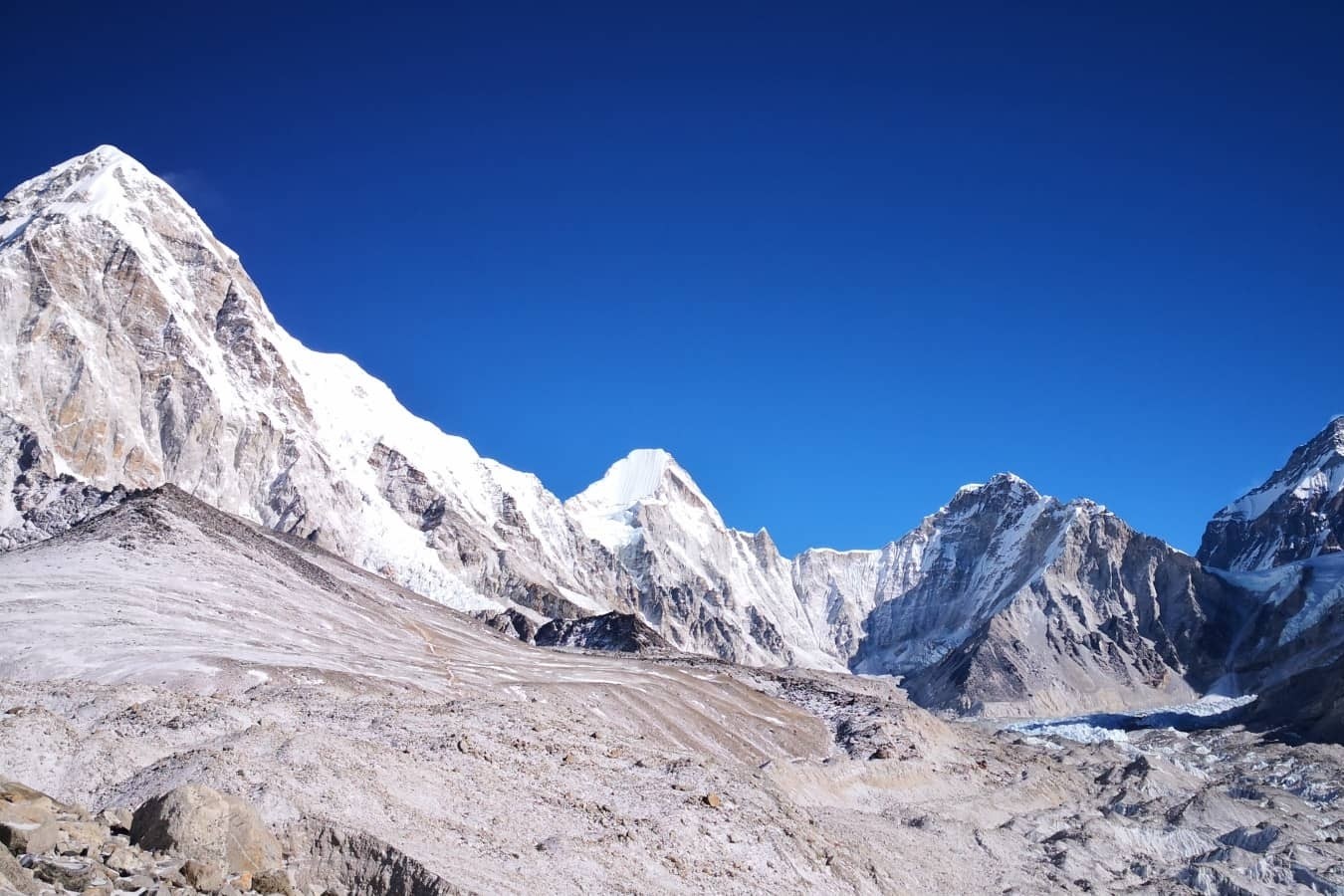
Luxury: An Everest luxury trek transforms the Khumbu valley. You will stay in renowned properties like the Yeti Mountain Home chain. However, it is important to note that true luxury lodges only go up to a certain altitude (around Pangboche or Dingboche). If you wish to sleep at Gorak Shep (the final stop before Base Camp), you will have to stay in standard teahouses for a night or two.
To bypass this entirely, many high-end travelers opt for a hybrid approach, which brings us to a major perk of luxury travel: the helicopter return from Everest Base Camp benefits. Instead of spending four days walking back down the same trail on tired knees, luxury trekkers often hike up to Base Camp and then catch a private scenic helicopter flight directly back to Kathmandu. This saves days of trekking, spares your joints, and provides a once-in-a-lifetime aerial view of the Khumbu Icefall and Mount Everest.
Budget Annapurna trekking packages are renowned for their accessibility. The Annapurna Circuit and Annapurna Base Camp (ABC) are incredibly popular budget options. The teahouses here are generally considered slightly cozier and more culturally diverse than the Everest region, passing through Hindu farming villages up to Tibetan-influenced high-altitude deserts.
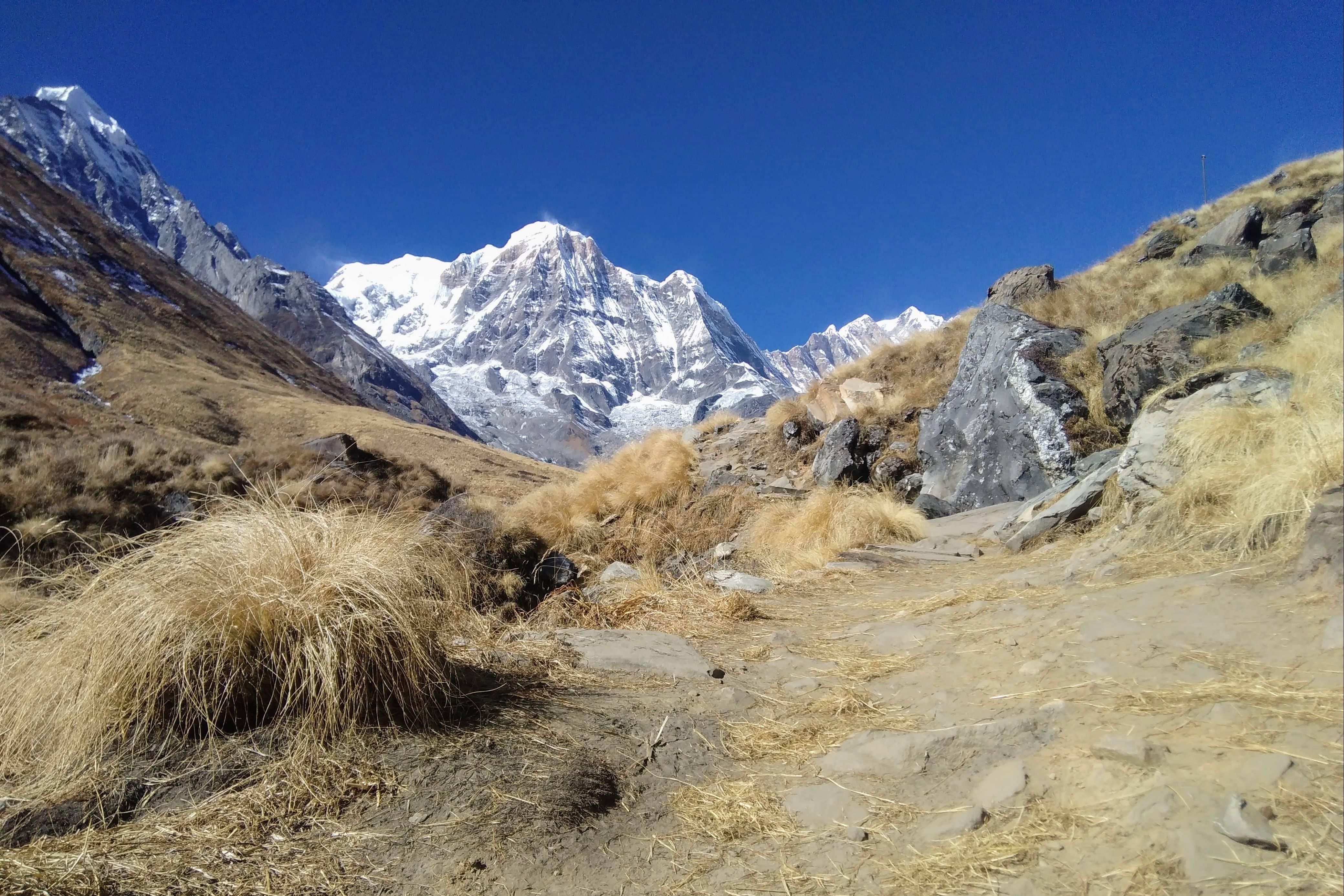
Luxury: When comparing high-end vs standard Annapurna circuit tours, the luxury options shine brilliantly in the lower foothills. The Ker & Downey lodges in the Annapurna region offer unparalleled boutique comfort. These nepal luxury treks are perfect for those who want to hike 4-6 hours a day through rhododendron forests and Gurung villages, ending the afternoon with a foot massage, a hot shower, and a glass of wine on a private terrace overlooking the Machapuchare (Fishtail) peak.
This is the ultimate question for anyone researching a Nepal trek comparison. Are luxury Nepal treks worth the extra cost?
The answer is a resounding yes, if comfort, hygiene, and physical recovery are a priority for you, and if it fits your budget.
Trekking in the Himalayas is physically demanding regardless of where you sleep. You are still walking steep inclines, crossing suspension bridges, and dealing with the effects of thinner air. High-end lodges do not make the walking easier, but they drastically improve your ability to recover. Being able to sleep deeply in a warm bed and nourish your body with high-quality food means you will likely have more energy and be in a better mood to actually enjoy the spectacular scenery.
However, if you are a young traveler, a seasoned backpacker, or someone who views a bit of hardship as an essential part of the adventure, the budget route is equally rewarding. There is a profound sense of camaraderie built around a smoky teahouse stove that you simply cannot replicate in a private boutique hotel dining room. Budget trekking builds resilience and offers a more unfiltered connection with the local Sherpa and Tamang cultures.
Whether you choose luxury or budget, guided trekking Nepal is highly recommended (and in some regions, now legally required by the Nepali government for certain trails).
If you want to keep costs low but still want support, joining a group trek is a great option. Group trekking spreads the cost of the guide and the logistical planning across 8-12 people. You make instant friends, but you must adhere to the group's pace and schedule.
If you opt for a private guide, you are paying a premium for flexibility. You can start your day when you want, take as many photography breaks as you please, and alter the itinerary on the fly if you are feeling tired or want to explore a side trail. Luxury trekking inherently provides this private guide experience.
If you are organizing a budget trek independently:
Your packing list will shift depending on the style of your trek.
As an affordable trekking Nepal participant, you must pack defensively against the cold and discomfort.
When you book with the best luxury trekking companies in Nepal, your packing list becomes much lighter.
Choosing the right route is just as important as choosing the style.
Regardless of whether you are spending $500 or $5,000 on your Nepal trek, altitude sickness does not discriminate based on your bank account. The air at Everest Base Camp (5,364m / 17,598ft) contains about 50% of the oxygen available at sea level.
Ultimately, the choice between Luxury vs Budget Treks in Nepal comes down to what you value most in your travel experiences.
If you view the journey as a physical and mental challenge where enduring the cold nights, sharing stories around a communal stove, and stretching your travel dollars is part of the triumph then affordable trekking Nepal will provide you with memories to last a lifetime. It is raw, authentic, and undeniably rewarding.
Conversely, if you want to immerse yourself in the majestic beauty of the Himalayas but value your comfort, privacy, and physical recovery, exploring nepal luxury treks is an incredible investment. Having hot showers, gourmet meals, a plush bed, and the potential for a helicopter return transforms a grueling expedition into a magnificent alpine holiday.
Whichever path you choose, the mountains remain the same. The jagged peaks of Everest, the deep gorges of Annapurna, and the warm smiles of the Nepalese people will welcome you. Assess your budget, evaluate your desire for comfort, and prepare yourself for one of the greatest adventures on earth. Nepal is waiting.
