
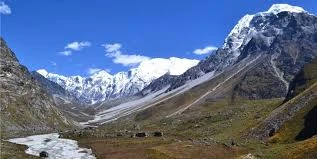
The Langtang Valley Trek ranks among Nepal's most rewarding Himalayan journeys, blending magnificent mountain scenery, authentic Tamang culture, and trekking routes barely north of Kathmandu that are accessible to everyone.
International trekkers from the USA, the UK, Europe, Australia, and Singapore will find that this trek perfectly balances adventure and comfort.
It is shorter than the Everest or Annapurna routes, less crowded, and suitable for beginners, families, and people with limited time.
If you are searching for a detailed Langtang trek itinerary, cost breakdown, the best time to trek Langtang, or permit information for 2026/2027, this complete guide covers everything you need to plan with confidence.
Langtang Valley Trek is a classic Himalayan journey about 120 km north of Kathmandu and near the Tibetan border. By most accounts, the trek takes 7-10 days and reaches a maximum altitude of around 4,984 metres at Tserko Ri. The trek doesn't involve high-altitude expeditions.
Rather, the Langtang trekking route winds gently upward through forests, alongside rivers, crossing yak pastures and alpine scenery before culminating in a broad glacial valley framed by snow-clad peaks.
Key facts at a glance:
Length: 7-10 days
Highest point: 4,984m (Tserko Ri)
Level of difficulty: Moderate
Type of accommodation: Teahouses
Best seasons: Spring (Mar-May) & Autumn (Sep-Nov)
Region: Langtang National Park Lots of trekkers consider this as the most beautiful short trek close to Kathmandu with real Himalayan views.
In 2026 and 2027, travellers will be more excited about experiencing trekking that is less commercialised and more culturally immersive.
The Langtang Valley Trek is an excellent match for such a desire.
The track is clear, the daily walking time is usually 5-6 hours, and there are no sections requiring climbing skills.
Why it's friendly for beginners: Slow altitude increase Good quality teahouses Option to change plans easily Short distances Most families with active teens and first-time trekkers find this route less daunting compared to the Everest or Annapurna circuits.
Unlike treks necessitating domestic flights, the Langtang trek commences with a 6-7 hour scenic drive to Syabrubesi. Therefore, it lowers both the logistical risks and expenses. No flight cancellations, no baggage weight limits, just a wonderful mountain road trip.
The Tamang people living in the valley have their culture deeply influenced by Tibetan Buddhism. The presence of prayer wheels, mani walls, monasteries, and yak herding traditions make the experience quite cultural. Following the earthquake of 2015, these locals have rebuilt their communities with utmost resilience. You can help them directly stay in their mountain homes by trekking here.
During your trek, from the valley floor up onto the lofty ridges, you will see: Langtang Lirung (7,227 m), Dorje Lakpa Yala Peak If you compare with the Everest Base Camp, the trails here are more secluded and tranquil.
Below is a classic 10-day Langtang trek itinerary suitable for proper acclimatisation:
The departures, group size, and whether a guide is included largely determine the cost of a Langtang Valley Trek.
Average Cost Per Person
Budget (self-guided): USD 450-650
Standard guided package: USD 700-1,100
Private/custom trip: USD 1,200+
A professionally guided, locally operated, safety-focused trip ensures better logistics and cultural insight. Customisation is available for families or private groups.
Any trekker entering the area must have the following:
The regulations might be different in 2026/2027 for independent trekking. Going with a registered guide is always the best option for safety and legality.
The choice of the best time to trek Langtang will largely influence your whole trekking experience.
If visitors from abroad are planning ahead, booking 4-6 months in advance for spring and autumn is recommended to avoid disappointments.
The Langtang trek difficulty falls under moderate level.
Average daily trekking hours: 5-7
Highest point reached: 4,984m
No special technique is required, but you still have to: Comfortably walk 5-6 hours Work out cardio and do light hiking
Get used to high altitude properly. Altitude sickness can be a problem above 3,000m.
The chances of it can be drastically lowered if you do step pacing, drink a lot of water, and allow your body to rest on acclimatisation days.
Rooms with two single beds Shared bathrooms (some attached in the lower villages) Have a warm dining hall. Usually, the food comprises: Dal Bhat (rice, lentils and vegetables) Noodles and soups Pancakes and eggs Tibetan bread Food quality is going to be better and better every year as the tourism infrastructure develops.
This picturesque village at 3,870 m is the spiritual and scenic heart of the trek. Surrounded by glaciers and peaks, it is perfect for acclimatization and photography.
The sunrise hike to Tserko Ri offers one of the best panoramic views in Nepal. Expect 3–4 hours uphill and 2–3 hours down.
Standing at the summit as golden light hits Langtang Lirung is a moment trekkers remember for life.
If you have limited time but want genuine Himalayan scenery, Langtang is unmatched.
It’s ideal for:
A professionally guided trek enhances safety, navigation, and emergency coordination.
Yes. With a moderate level of fitness and correct acclimatization, beginners should have no problem completing it.
It generally takes 7-10 days, depending on the pace and whether you do side hikes.
About 65-75 km round trip.
Even though it is quite possible to go independently, it is safer and advisable to have a licensed guide for up-to-date regulations.
It is 3,870 meters above sea level.
