
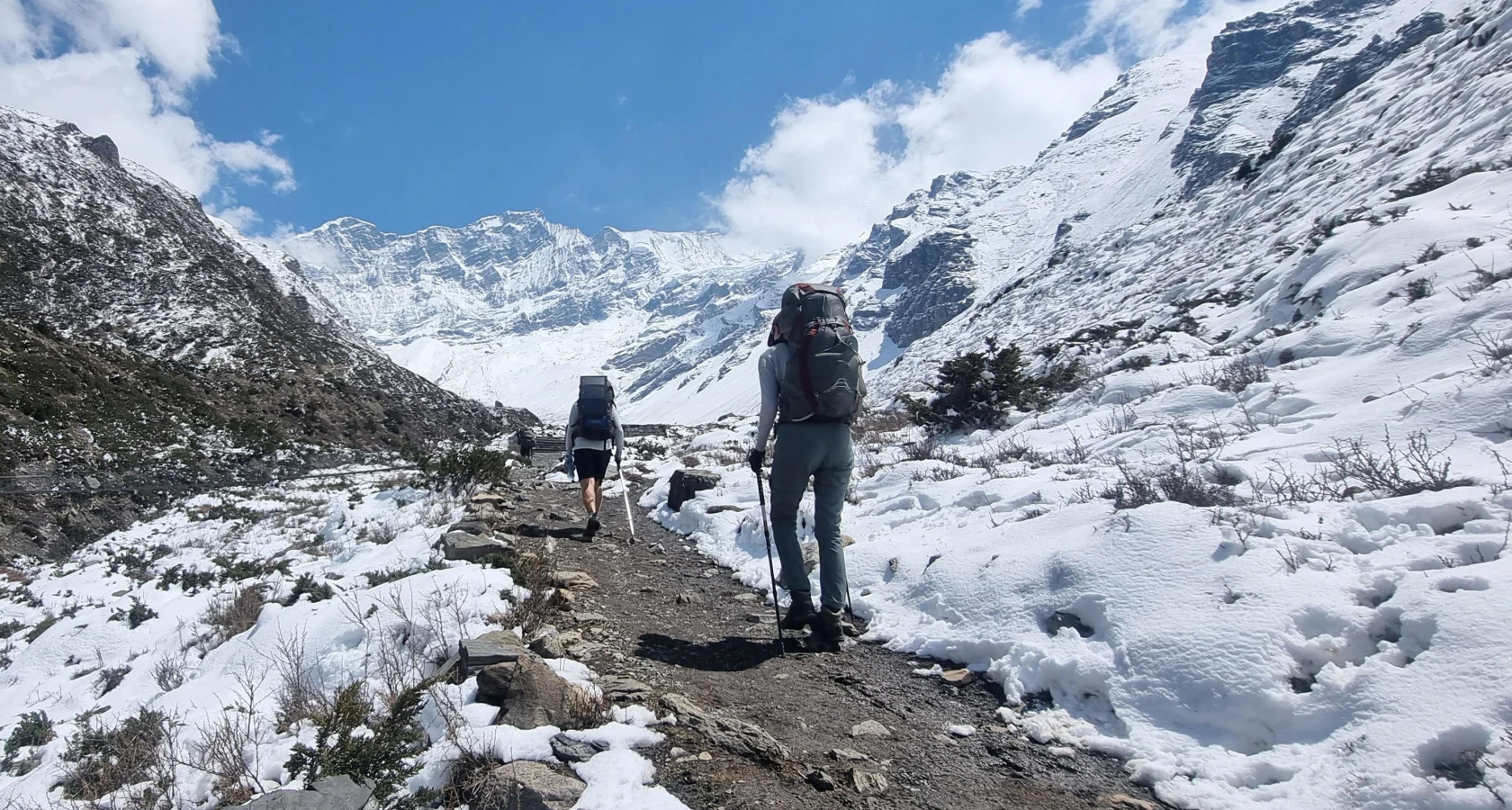
Embarking on a journey to the foot of the world’s tallest mountain is a dream for countless outdoor enthusiasts. A quintessential Everest Base Camp journey is much more than just a long walk; it is a profound immersion into Sherpa culture, a test of physical and mental endurance, and a front-row seat to the most dramatic alpine scenery on the planet.
If you are planning your own Everest adventure, meticulous preparation is the key to a safe, enjoyable, and successful trip. From navigating local permits to understanding the physical demands of high-altitude environments, this comprehensive guide will walk you through every essential detail you need to know before lacing up your hiking boots.
One of the most critical aspects of any Himalayan trek is understanding the sheer scale of the environment. The Himalayas are not just mountains; they are a completely different atmospheric zone.
A very common question for anyone planning this trip is regarding base camp everest: how high is the final destination? The elevation at Everest Base Camp sits at a breathtaking 5,364 meters (17,598 feet). Navigating the base camp mt everest altitude is a serious undertaking that demands respect. To put this into perspective, the base camp elevation Mount Everest requires you to reach is higher than the highest peaks in Europe and the lower 48 states of the US.
Adapting to the base camp everest elevation means dealing with significantly thinner air. Oxygen levels at high altitudes drop drastically. By the time you reach your final destination, the effective oxygen in the air is only about 50% of what you would breathe at sea level.
This leads to an inevitable question: how hard is the trek for beginners? Technically speaking, the classic Everest trek does not require mountaineering skills. There are no ropes, ice axes, or crampons required for the standard route. It is, at its core, an extended base camp hike.
However, "non-technical" does not mean "easy." You will be walking for 12 to 14 days, covering roughly 130 kilometers (80 miles) round-trip over rocky, uneven terrain, all while battling the effects of altitude. Beginners can absolutely complete this trek, provided they have an excellent baseline of cardiovascular fitness, a resilient mindset, and a willingness to pace themselves.
Your success on the Everest trail heavily relies on the work you put in long before you land in Kathmandu.
You cannot easily simulate high-altitude conditions at home, but you can build a physical foundation that helps your body cope with the stress of oxygen deprivation. Training for high altitude hiking should begin at least three to four months prior to your departure.
Packing for the Himalayas requires a delicate balance between staying warm and keeping your pack light. Because temperatures fluctuate wildly between the warm, sunny lower valleys and the freezing higher altitudes, a reliable layering system is mandatory.
A well-rounded packing list for Himalayan trekking should include:
Turning your dream of trekking Everest into a reality requires navigating a maze of logistics, from budgeting to securing the right paperwork.
The cost of trekking in the Himalayas varies wildly depending on your travel style. Are you looking for a bare-bones independent trip, or do you prefer a fully catered, guided experience? The overall cost of trekking to Everest Base Camp usually ranges between $1,200 and $3,500 per person (excluding international flights).
This budget must cover your domestic flights, accommodations, meals, guides, and permits. It is always wise to bring extra cash (Nepalese Rupees) on the trail, as ATMs do not exist past Namche Bazaar, and you will need cash for Wi-Fi, charging electronic devices, and hot showers.
You cannot step foot on the trail without proper documentation. You will need an Everest Base Camp trek permit, which is officially known as the Khumbu Pasang Lhamu Rural Municipality Entrance Permit. Additionally, you are required to purchase Sagarmatha National Park permits. Both of these are strictly enforced at various checkpoints along the route, and the fees go toward local infrastructure and environmental conservation.
While the trail is relatively well-marked, hiring a local Sherpa guide or porter is highly recommended. Not only does this pump vital income directly into the local economy, but it also dramatically enhances your safety and overall experience. A knowledgeable guide will secure the best rooms, explain the rich Buddhist culture of the region, monitor your health, and handle the logistics, leaving you free to simply enjoy the majestic views.
Timing your trip and planning your route carefully will dictate the kind of experience you have in the mountains.
Weather in the Himalayas is notoriously unpredictable, making your choice of season crucial. The best month for trekking in Nepal generally falls within two distinct windows: the pre-monsoon spring (April to May) and the post-monsoon autumn (October to November). Spring offers vibrant rhododendron blooms and milder temperatures, while autumn provides the absolute clearest skies and most stable weather.
Your physical journey usually begins with a thrilling, terrifyingly beautiful flight from Kathmandu (or Ramechhap) to the Tenzing-Hillary Airport in Lukla. Due to its short runway perched on a cliffside, Lukla airport flight safety is a frequent topic of conversation. While its reputation is intimidating, modern aviation authorities in Nepal enforce incredibly strict visual flight rules. Flights will only take off in completely clear weather. Because of this strict adherence to safety, you must build at least two buffer days into your itinerary in case bad weather grounds the planes.
While planning, many trekkers compare the Khumbu Valley vs Annapurna Circuit. If your goal is to experience a wide variety of micro-climates and cross a high-altitude pass, the Annapurna Circuit is spectacular. However, if your ultimate dream is to walk in the footsteps of mountaineering legends and get up close and personal with the tallest peaks on Earth, the Khumbu Valley is unrivaled.
The biggest barrier to reaching your destination isn't your fitness level; it is how your body reacts to the altitude.
Acute Mountain Sickness is the nemesis of high-altitude trekkers. Symptoms include headaches, nausea, dizziness, and extreme fatigue. Preventing acute mountain sickness requires adherence to the golden rule of trekking: climb high, sleep low.
Ascend slowly, walk at a conversational pace, and hydrate relentlessly—aim for 4 to 5 liters of water a day. Never ignore a headache at altitude; if your symptoms worsen, the only cure is immediate descent.
Your itinerary must include strategic rest days to allow your body to adapt. Namche Bazaar acclimatization stops are a staple of every itinerary. Located at 3,440 meters, this bustling mountain town is where you will spend an extra day to help your body produce more red blood cells. You will typically do an acclimatization hike up to the Everest View Hotel before returning to Namche to sleep. Another vital acclimatization day usually takes place higher up in Dingboche (4,410 meters).
As you ascend, the air becomes incredibly dry and cold. Breathing heavily in this environment often triggers a severe, hacking cough known as the Khumbu Cough. Managing the Khumbu cough is all about prevention. Wear a buff or a lightweight scarf over your mouth and nose while trekking to warm and humidify the air before it reaches your lungs. Keep throat lozenges handy and sip warm tea continuously at the lodges.
A major part of the charm of this trek is the unique rhythm of life you will adopt over your two-week journey.
Forget about carrying heavy tents and cooking gear. The Everest region is famous for its intricate network of lodges. The tea house accommodation quality is surprisingly good at lower elevations, featuring private rooms, western toilets, and expansive menus. However, as you climb higher, the quality naturally becomes more basic. Rooms are typically small, unheated, and feature twin beds with thin mattresses.
The communal dining room is the heart of every tea house. Heated by a central yak-dung stove, it is where trekkers from all over the world gather to play cards, share stories, and eat steaming plates of Dal Bhat (a traditional Nepalese lentil stew and rice dish that provides endless trekking energy).
After days of relentless uphill trekking, acclimatization headaches, and stunning suspensions bridges, you will finally approach the culmination of your journey.
Trekking from Gorak Shep to the base camp is a chaotic, beautiful trek over the rocky moraine of the Khumbu Glacier. When you finally arrive, you are standing on the launching pad of almost every major Everest expedition in history. During the spring climbing season, the area transforms into a sprawling, brightly colored tent city housing elite mountaineers preparing to push for the summit. Taking your photo by the iconic boulder spray-painted with "Everest Base Camp" is a moment of profound triumph.
Ironically, you cannot actually see the summit of Mount Everest from Base Camp itself; it is hidden behind the massive shoulder of Nuptse. To get the classic, unobstructed view of the world's highest peak, you must wake up before dawn the following morning and climb Kala Patthar (5,545 meters).
This is arguably the most physically demanding two hours of the entire trek, but the reward is unparalleled. As the sun rises over the Himalayas, the views of Khumbu Icefall from Kala Patthar, tumbling down like a frozen river of jagged ice, alongside the glowing golden peak of Mount Everest, will leave you speechless. This single panorama makes every blister, every cold night, and every breathless step completely worth it.
Trekking to the base of the highest mountain on Earth is a transformative experience. It pushes your physical boundaries and immerses you in the staggering beauty of the high Himalayas. By understanding the demands of the altitude, training adequately, budgeting smartly, and respecting the environment and local culture, you are setting yourself up for the adventure of a lifetime. The Everest Base Camp trek is not just about the destination; it is about the resilience you discover within yourself along every rocky step of the trail. Pack your bags, train hard, and get ready to walk among the giants.
