🔔 Bookings are open for 2026/27. Limited seats available!  4.9 of 528 reviews
 4.8 of 214 reviews
4.9 of 528 reviews 4.8 of 214 reviews 
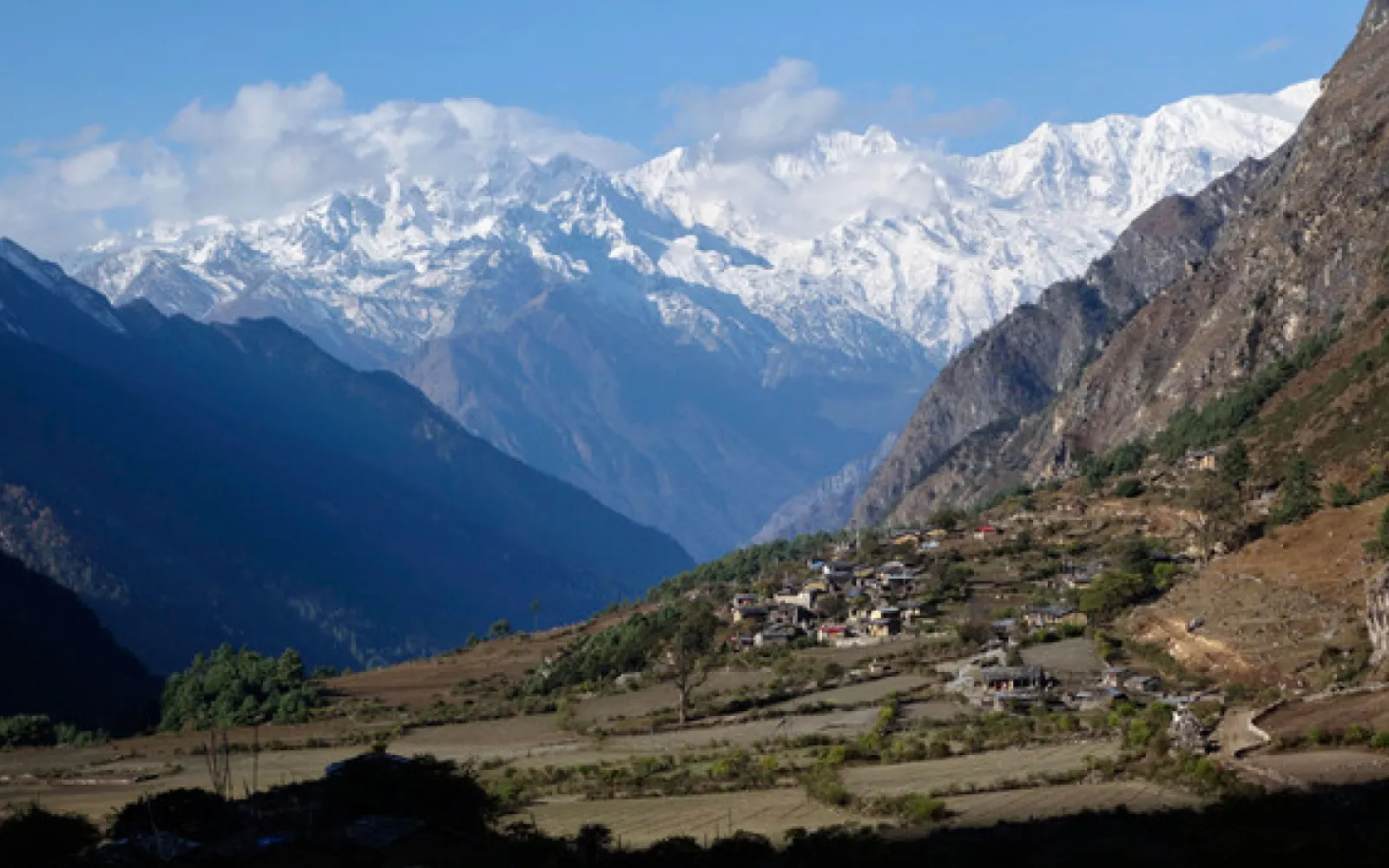
The Tsum Valley Trek in Nepal is an extraordinary Himalayan adventure that takes you into one of the most peaceful, culturally rich, and less-explored regions of the Manaslu area. Known as the Hidden Valley, Tsum Valley lies in northern Gorkha near the Tibetan border and is famous for its ancient Buddhist monasteries, traditional stone villages, prayer flags, mani walls, and spectacular mountain scenery. This remarkable trekking destination offers a unique opportunity to experience the untouched beauty of the Himalayas while discovering a way of life deeply rooted in Tibetan Buddhist traditions.
Miracle Treks and Expeditions offers this 16-day Tsum Valley Trek itinerary, with scenic drives, rewarding mountain trails, cultural exploration, and peaceful monastery visits. The journey begins in Kathmandu and continues to Soti Khola before following beautiful trails through forests, rivers, traditional settlements, and remote Himalayan landscapes. As you travel deeper into the valley, you will discover charming villages such as Chumling, Chhokangparo, and Nile, eventually reaching the spiritual heart of the region around Mu Gompa.
The Tsum Valley Trek is ideal for travelers seeking more than a conventional Himalayan trekking experience. It allows you to connect with local communities, explore centuries-old Buddhist heritage, and enjoy breathtaking views away from the busier trekking routes.
With carefully planned arrangements and local expertise, Miracle Treks and Expeditions aims to make your journey through this extraordinary region memorable, rewarding, and culturally enriching.
The Tsum Valley Trek is one of Nepal's most fascinating off-the-beaten-path trekking experiences, offering a rare glimpse into a Himalayan region where ancient traditions remain an important part of everyday life. Unlike some of Nepal's more commercial trekking destinations, Tsum Valley preserves a distinctive cultural identity influenced by Tibetan Buddhism, traditional agriculture, and centuries of trade and cultural exchange across the Himalayan borderlands. The region's peaceful atmosphere, traditional architecture, and welcoming communities make it an unforgettable destination for adventurous travelers.
The trek takes you through a changing landscape of subtropical forests, suspension bridges, rushing rivers, terraced fields, and high-altitude settlements. As you gradually ascend, the scenery becomes increasingly dramatic, with towering mountain slopes and expansive Himalayan views accompanying you along the trail. Along the way, you can observe prayer wheels, colorful prayer flags, carved mani stones, and ancient monasteries that reflect the spiritual importance of the valley.
One of the most rewarding aspects of the journey is the opportunity to experience local life. Villages such as Lokpa, Chumling, and Chhokangparo provide insights into traditional Himalayan lifestyles, while the monasteries around Nile and Mu Gompa offer a deeper understanding of Buddhist beliefs and practices. The trek combines physical adventure with cultural discovery, making it especially appealing to travelers interested in authentic experiences.
What makes the introduction to Tsum Valley special?
With Miracle Treks and Expeditions, trekkers can explore the region through a thoughtfully arranged itinerary that balances trekking days, cultural visits, and time to appreciate the remarkable surroundings.
Tsum Valley is located in the northern part of Gorkha District in north-central Nepal, within the greater Manaslu region and close to the Tibetan border. The valley lies in a secluded Himalayan landscape surrounded by high mountain ridges, deep river gorges, and remote settlements. Its relative isolation has helped preserve its traditional culture, distinctive architecture, and spiritual heritage, earning it the reputation of Nepal's Hidden Valley.
The journey to Tsum Valley typically begins in Kathmandu, Nepal's capital city, followed by a road journey toward Soti Khola, the starting point for the trekking route described in this itinerary. From there, the trail passes through riverside settlements and forested landscapes before reaching the entrance to the Tsum region around Lokpa. As you continue toward Chumling, Chhokangparo, and Nile, the environment gradually transitions into a higher-altitude Himalayan landscape with traditional stone houses, open fields, and impressive mountain views.
Tsum Valley forms part of the culturally rich Manaslu region, but it has a character of its own. The local communities maintain strong connections to Tibetan Buddhist traditions, which are visible in the region's monasteries, chortens, mani walls, and religious festivals. The valley's remote location makes the journey especially rewarding for those who want to discover a quieter and less-commercialized side of Nepal.
Important geographical highlights of Tsum Valley:
Exploring Tsum Valley with Miracle Treks and Expeditions gives travelers the opportunity to discover this secluded corner of Nepal while experiencing the natural beauty and cultural richness that make it such a special trekking destination.
Choosing the Tsum Valley Trek means discovering a different side of the Himalayas, where cultural authenticity and natural beauty take center stage. While Nepal is famous for popular trekking destinations such as Everest Base Camp and the Annapurna region, Tsum Valley offers a quieter alternative for travelers seeking a more intimate connection with local communities and mountain landscapes. Its remote setting, traditional villages, and peaceful atmosphere create an experience that feels both adventurous and deeply meaningful.
Another reason to choose this trek is its extraordinary cultural heritage. The valley is known for its Tibetan Buddhist traditions, ancient monasteries, sacred caves, prayer walls, and spiritual landmarks. Visiting places such as Mu Gompa and Rachen Gompa provides insight into the religious life of the region, while walking through villages allows you to observe traditional homes, agricultural practices, and local customs. The experience is particularly rewarding for travelers interested in Himalayan history, Buddhism, photography, and cultural exploration.
The Tsum Valley Trek also offers a satisfying physical challenge. The route includes long walking days, uphill and downhill sections, river crossings, and gradual gains in altitude. Although it does not require technical mountaineering skills, good physical preparation and an appropriate acclimatization strategy are important. The combination of mountain scenery, cultural encounters, and remote trails makes this trek suitable for prepared hikers looking for a distinctive Himalayan adventure.
Top reasons to choose the Tsum Valley Trek:
With Miracle Treks and Expeditions, travelers can benefit from local trekking knowledge, itinerary planning, and practical guidance for exploring the region responsibly. Choosing the Tsum Valley Trek is an excellent way to experience Nepal beyond its most familiar destinations.
Choosing the right season is essential for enjoying the best of the Tsum Valley Trek. Weather conditions in the Himalayas can influence trail accessibility, mountain visibility, temperatures, and overall trekking comfort. Generally, spring and autumn are the most favorable seasons for this journey because they usually offer relatively stable weather, pleasant daytime temperatures, and good opportunities to enjoy the surrounding mountain scenery.
Spring, from March to May, brings warmer temperatures, blooming vegetation, and increasingly vibrant landscapes at lower elevations. Forest trails become colorful, and the combination of fresh greenery, traditional villages, and mountain views creates excellent conditions for photography. This season is particularly appealing to travelers who enjoy nature and prefer trekking when the weather begins to warm after winter.
Autumn, from September to November, is another excellent time to explore Tsum Valley. Following the monsoon season, the skies often become clearer, providing impressive views of the Himalayan landscape. The trails and villages can be especially beautiful during this period, while comfortable daytime conditions make long walking days more enjoyable. October and early November are often popular choices, although actual conditions vary from year to year.
Winter, from December to February, can bring very cold temperatures, snow, and challenging conditions at higher elevations. The monsoon season, from June to August, often brings heavy rainfall, slippery trails, cloudy mountain views, and an increased risk of landslides in some areas. Trekking may still be possible in certain conditions, but additional planning and flexibility are necessary.
Best seasons for the Tsum Valley Trek:
For most travelers, spring and autumn offer the best balance of weather, scenery, and trekking comfort. Miracle Treks and Expeditions can help you plan your departure according to seasonal conditions, route accessibility, and your travel preferences.
Before setting out, it is also important to check current trail conditions, permit requirements, and local travel advice. Because Tsum Valley reaches high elevations, proper acclimatization, warm clothing, and a flexible itinerary are essential regardless of the season.
The Tsum Valley Trek is filled with natural and cultural attractions that make every stage of the journey rewarding. From dramatic Himalayan landscapes to ancient monasteries and traditional villages, the route offers an excellent opportunity to experience the region's unique identity. The gradual transition from river valleys and forested hillsides to higher settlements creates a varied trekking experience, while the local Buddhist heritage gives the journey a distinctive spiritual atmosphere.
One of the most memorable aspects of the trek is visiting the monasteries and traditional settlements scattered throughout the valley. Mu Gompa, situated in the upper Tsum region, is among the major highlights and provides an opportunity to experience the area's spiritual traditions and remote mountain setting. Nearby Dhephu Doma Gompa and Rachen Gompa add further cultural depth to the journey, while villages such as Chumling, Chhokangparo, and Nile offer glimpses of traditional Himalayan life.
Beyond the monasteries, the natural beauty of the region is equally impressive. Trekkers can enjoy views of rugged mountain slopes, deep river gorges, forested hills, terraced fields, suspension bridges, and expansive high-altitude landscapes. The quiet surroundings and relatively remote trails create a sense of discovery that distinguishes Tsum Valley from many other trekking destinations in Nepal.
Major attractions along the Tsum Valley Trek include:
1. Mu Gompa
Mu Gompa is one of the most important spiritual destinations in upper Tsum Valley. Surrounded by dramatic mountain scenery, this remote Buddhist monastery offers an insight into the region's religious traditions and contemplative way of life. Its peaceful setting makes it a major highlight of the trek.
2. Rachen Gompa
Rachen Gompa is an important Buddhist nunnery in the Tsum region, known for its religious significance and traditional monastic environment. Visiting the monastery allows trekkers to appreciate the area's spiritual heritage and the continuing role of Buddhist institutions in local community life.
3. Dhephu Doma Gompa
Dhephu Doma Gompa is another significant spiritual attraction associated with the upper Tsum Valley area. Its remote location and religious atmosphere complement the monastery visits around Mu Gompa, offering travelers a deeper appreciation of the valley's Buddhist traditions.
4. Chumling Village
Chumling is a traditional settlement that introduces trekkers to the cultural landscape of Tsum Valley. Stone houses, cultivated fields, mountain surroundings, and local religious landmarks create a memorable village experience and provide opportunities to observe everyday Himalayan life.
5. Chhokangparo Village
Chhokangparo is a beautiful high-altitude settlement where the landscape opens into a wider valley with traditional homes and expansive mountain views. It is an excellent place to appreciate the Tibetan cultural influences that shape the architecture, customs, and daily life of the region.
6. Nile Village
Nile is one of the principal settlements in upper Tsum Valley and serves as an important stop on the way to Mu Gompa. Its remote Himalayan setting, traditional village atmosphere, and proximity to major monasteries make it a valuable part of the cultural and scenic journey.
7. Buddhist Heritage and Mani Walls
Colorful prayer flags, carved mani stones, chortens, prayer wheels, and sacred monuments can be seen along sections of the trekking route. These cultural features reflect the deep influence of Tibetan Buddhism and create a distinctive atmosphere throughout the valley.
8. Himalayan Landscapes and Scenic Trails
The route passes through lush forests, dramatic river gorges, suspension bridges, terraced farmland, and rugged mountain terrain. As the trail climbs toward upper Tsum Valley, the scenery becomes increasingly expansive, offering beautiful opportunities for photography and quiet moments surrounded by nature.
These attractions make the Tsum Valley Trek a rewarding journey for anyone interested in Himalayan scenery, Buddhist culture, traditional communities, and remote mountain exploration. Each destination contributes a different element to the overall experience, creating a balance between adventure and cultural discovery.
With Miracle Treks and Expeditions, you can explore the highlights of Tsum Valley through a carefully organized 16-day journey, from your arrival in Kathmandu to the final departure. Whether you are drawn by the monasteries, the mountain landscapes, or the opportunity to experience a lesser-known region of Nepal, the Tsum Valley Trek offers an unforgettable journey into the heart of the Himalayas.
Tsum Valley is one of Nepal’s most culturally fascinating Himalayan destinations, where ancient traditions, Tibetan Buddhist beliefs, and traditional mountain lifestyles remain deeply connected to everyday life. Located in the northern part of Gorkha District, near the Tibetan border, this secluded valley is home to communities known as the Tsumbas, whose cultural heritage has been shaped by generations of religious practice, local customs, and close connections with Tibet. Exploring the valley allows trekkers to experience a way of life that has remained relatively untouched by modern tourism.
During the Tsum Valley Trek, visitors can discover traditional stone houses, terraced farmland, Buddhist prayer flags, mani walls, and chortens along the trails. Local people often follow customs influenced by Tibetan Buddhism, and monasteries play an important role in community life. The region is also known for its peaceful atmosphere and traditional respect for nature and living beings, making it a meaningful destination for travelers seeking cultural experiences alongside Himalayan adventure.
With Miracle Treks and Expeditions, trekkers can explore the cultural richness of Tsum Valley while learning about the local lifestyle, spiritual practices, and traditional Himalayan hospitality. Walking through villages such as Chumling, Chhokangparo, and Nile provides opportunities to observe local architecture, agricultural activities, and the everyday routines of mountain communities.
Cultural highlights of Tsum Valley
The cultural experience is one of the most rewarding aspects of this journey. By respecting local customs, dressing appropriately when visiting monasteries, and asking permission before photographing people or religious ceremonies, trekkers can help preserve the region's traditions while creating meaningful connections with local communities.
The Tsum Valley Trek offers an incredible variety of Himalayan scenery, from lush green hills and forested slopes to dramatic river gorges and remote high-altitude settlements. Beginning with the drive from Kathmandu toward Soti Khola, the journey gradually introduces travelers to Nepal's beautiful countryside before continuing along trekking trails through the Budhi Gandaki River valley. As the route progresses, suspension bridges, cascading streams, terraced fields, and rugged mountain landscapes create a constantly changing natural backdrop.
As trekkers move deeper into Tsum Valley, the scenery becomes more expansive and distinctly Himalayan. Traditional villages sit among cultivated hillsides, while distant mountain peaks and rocky slopes create impressive panoramic views. The higher sections around Chhokangparo, Nile, and Mu Gompa offer a particularly memorable atmosphere, combining open valley landscapes with the peaceful surroundings of remote Buddhist settlements.
Traveling with Miracle Treks and Expeditions allows you to appreciate these landscapes at a comfortable pace while exploring the natural beauty of one of Nepal's less-visited trekking destinations. The journey is especially rewarding for photographers, nature lovers, and travelers who enjoy quiet trails and dramatic mountain environments.
Scenic highlights along the trail
Each stage of the trek reveals a different side of Nepal's natural beauty. The lower trail is characterized by river valleys and greener surroundings, while the upper valley features more open terrain, traditional settlements, and a sense of remoteness that makes the journey particularly special.
For the best views, spring and autumn are generally recommended because conditions are often more favorable for trekking and mountain photography. However, visibility depends on daily weather conditions, so a flexible itinerary is useful when exploring the Himalayas.
Tsum Valley is renowned for its ancient Buddhist heritage and spiritual landmarks, which have made the region an important destination for cultural and spiritual exploration. Monasteries, sacred caves, chortens, mani walls, and prayer wheels can be found throughout the valley, reflecting the deep influence of Tibetan Buddhism. For many visitors, these religious sites are among the most memorable attractions of the trek because they reveal the spiritual traditions that have shaped the region for generations.
The journey toward the upper valley provides opportunities to visit significant monasteries, including Mu Gompa, Rachen Gompa, and Dhephu Doma Gompa. These sacred places offer insights into Buddhist teachings, monastic life, and the religious practices of local communities. Their remote locations, traditional architecture, and peaceful surroundings make them especially appealing to travelers interested in history, culture, and spirituality.
Miracle Treks and Expeditions includes monastery visits in the Tsum Valley trekking experience, allowing travelers to discover these landmarks as part of their broader Himalayan journey. Visitors should remember that monasteries are active religious spaces, so respectful behavior is essential throughout each visit.
Major monasteries and sacred landmarks
Visiting these sacred sites offers more than an opportunity to admire traditional architecture. It allows travelers to appreciate the relationship between religion, community life, and the natural environment in the Himalayas. Monasteries continue to serve as places of worship, meditation, learning, and cultural preservation.
When visiting religious sites, walk quietly, follow local guidance, and ask permission before taking photographs, especially inside prayer halls. These simple practices help ensure that trekking tourism remains respectful of the valley's spiritual traditions.
Beyond its cultural attractions, Tsum Valley is an appealing destination for nature lovers who want to experience the biodiversity and natural environments of the Manaslu region. The trekking route passes through several ecological zones, beginning with warmer, greener river valleys and forested hillsides before reaching cooler, higher-altitude landscapes. These changing environments support different plant and animal species, making the journey an opportunity to appreciate the natural richness of the Nepalese Himalayas.
Along the trail, trekkers may encounter a variety of birds, butterflies, and other wildlife, particularly in forested areas and quieter sections away from settlements. The surrounding landscape also supports Himalayan vegetation, including woodland species at lower elevations and hardier plants adapted to colder conditions higher in the valley. Although wildlife sightings are never guaranteed, walking quietly and observing the environment can make the trek more rewarding.
The natural beauty of Tsum Valley is closely connected to the region's traditional way of life. Forests, rivers, grazing areas, and mountain slopes are important parts of the local environment, while the valley's relatively remote setting helps preserve its distinctive landscapes. With Miracle Treks and Expeditions, visitors can explore this remarkable environment while following responsible trekking practices that help protect the region for future generations.
Natural highlights of Tsum Valley
Wildlife encounters depend on the season, weather, and location, and many animals are naturally elusive. Trekkers should maintain a respectful distance from wildlife, avoid feeding animals, carry out all rubbish, and remain on established trails whenever possible.
Spring and autumn often provide favorable trekking conditions for enjoying the landscape, while early mornings can be particularly pleasant for birdwatching and photography. By traveling responsibly, visitors can appreciate the beauty of Tsum Valley while helping protect its natural and cultural heritage.
The Tsum Valley Trek follows a rewarding Himalayan route that combines scenic road travel, traditional villages, river valleys, high-altitude landscapes, and important Buddhist monasteries. The journey begins in Kathmandu, where travelers can prepare for the adventure before driving toward Soti Khola. From there, the trekking route continues through Machha Khola and Jagat before entering the Tsum Valley region through Lokpa and progressing toward Chumling, Chhokangparo, and Nile.
As the trek advances, the scenery changes from lush river valleys and forested hillsides to more open mountain terrain and traditional high-altitude settlements. Reaching Mu Gompa is one of the main highlights, followed by time to explore the surrounding spiritual landmarks, including Dhephu Doma Gompa. The return journey follows the route back toward the lower valley, with overnight stops that allow trekkers to experience different sections of the landscape before returning to Kathmandu.
Miracle Treks and Expeditions offers this 16-day itinerary for travelers interested in discovering the natural and cultural treasures of Tsum Valley. Daily walking times and trail conditions can vary depending on weather, pace, and acclimatization needs, so the itinerary should be treated as a practical outline rather than a guarantee of exact timings.
16-Day Tsum Valley Trek itinerary
Important route and trekking considerations
The Tsum Valley Trek involves remote mountain trails, substantial daily walking, and gradual elevation gain. Proper preparation and careful pacing are important, particularly as you approach the higher settlements around Nile and Mu Gompa.
Before departure, Miracle Treks and Expeditions should confirm the latest route conditions, permits, accommodation arrangements, and the feasibility of the proposed daily stages. In particular, the return section from Rachen Gompa to Chumling may require careful review of walking distances and elevation changes to ensure that the itinerary is practical and safe.
Essential points to remember:
With its blend of cultural discovery, sacred monasteries, diverse landscapes, and traditional Himalayan villages, the Tsum Valley Trek offers a memorable journey into one of Nepal's most distinctive mountain regions. Miracle Treks and Expeditions can help travelers plan this 16-day adventure and discover the extraordinary beauty of Nepal's Hidden Valley.
The Tsum Valley Trek is generally considered a moderate to challenging trekking adventure in Nepal, making it suitable for travelers with a reasonable level of fitness, good stamina, and a spirit of adventure. The journey involves walking for several hours each day across mountain trails, stone staircases, forest paths, suspension bridges, and uneven terrain. As the route progresses from Soti Khola toward Chumling, Chhokangparo, Nile, and Mu Gompa, the elevation gradually increases, making proper acclimatization an important part of the experience.
Although the trek does not normally require technical climbing skills, it can be physically demanding because of the long walking days, altitude gain, and remote mountain environment. Trekkers should be prepared for changing weather, limited facilities in some villages, and occasional steep ascents and descents. Reaching the higher sections of Tsum Valley requires patience and a comfortable walking pace, particularly for those who have limited experience at altitude.
Miracle Treks and Expeditions recommends preparing physically before departure to make the journey more comfortable and enjoyable. Regular walking, hiking, stair climbing, and cardiovascular exercise can help improve endurance. Travelers should also understand that altitude affects people differently, regardless of their fitness level, so a gradual ascent and attention to symptoms are essential.
Fitness preparation and difficulty highlights
Trekkers should walk at a steady pace, drink sufficient water, eat regular meals, and allow time for rest. Headaches, nausea, dizziness, unusual fatigue, or breathlessness that worsens at rest can indicate altitude illness. Severe symptoms require immediate medical attention and descent when appropriate. Never continue ascending when experiencing symptoms of altitude sickness.
With appropriate preparation, a sensible itinerary, and guidance from an experienced trekking team, the Tsum Valley Trek can be a rewarding adventure for travelers eager to explore Nepal's remote Himalayan landscapes and distinctive cultural heritage.
The Tsum Valley Trek takes place in a restricted trekking area of Nepal, so obtaining the correct permits and carrying the required documents are essential before starting the journey. Unlike many ordinary trekking routes, access to Tsum Valley is subject to special regulations intended to manage tourism, protect local culture, and preserve the region's natural environment. Travelers should arrange their permits in advance and verify the latest requirements before departure.
For international visitors, the necessary arrangements generally include a Restricted Area Permit (RAP) for Tsum Valley and any additional conservation-area or trekking permits applicable to the planned route. Because the trek begins through the Manaslu region, the exact permit requirements may depend on the route followed and current government regulations. Restricted-area trekking rules can also require travelers to trek with a registered trekking agency and a licensed guide, subject to the latest official requirements.
Miracle Treks and Expeditions can assist travelers with permit arrangements, documentation checks, and route planning as part of the trekking preparation process. It is advisable to confirm all costs, eligibility requirements, permit validity, and applicable regulations before making final travel arrangements.
Essential permits and documents
Important permit considerations
Permit fees and regulations can change, so travelers should not rely solely on older online information. Before departure, confirm the latest requirements with the Nepal Tourism Board, the Department of Immigration, or an authorized trekking agency.
When booking through Miracle Treks and Expeditions, ask which permits are included in your package, which documents you must provide, and whether any additional fees apply. Carry your permits during the trek, as they may be checked at designated points along the route.
Proper documentation helps ensure a smoother journey and allows you to focus on enjoying the landscapes, monasteries, and cultural experiences that make Tsum Valley such a remarkable destination.
Accommodation along the Tsum Valley Trek is generally provided by local teahouses, guesthouses, and simple mountain lodges. These establishments offer a practical place to rest after a day of walking, enjoy warm meals, and interact with local communities. Facilities vary depending on the village, with more options often available in lower settlements and simpler arrangements in remote locations around Nile and Mu Gompa.
Rooms are usually basic and may include twin beds, mattresses, pillows, and blankets. Shared bathrooms are common, while hot showers, charging facilities, and reliable internet access may be limited or available for an additional fee. During busy trekking periods, accommodation can fill up quickly, so advance planning is particularly important for organized groups and travel during spring and autumn.
The food available along the trail combines familiar trekking meals with traditional Nepali and Tibetan-influenced dishes. Dal bhat, consisting of rice, lentil soup, and vegetables, is a common choice because it provides energy for long walking days. Other meals may include noodles, soups, fried rice, potatoes, eggs, Tibetan bread, porridge, and momos, depending on the village and lodge.
With Miracle Treks and Expeditions, travelers can plan accommodation and meals according to the itinerary, availability, and personal dietary needs. Since supplies must be transported into remote settlements, menu choices may become more limited at higher elevations.
Accommodation highlights
Food and drink along the trail
Tips for a comfortable trekking experience
Drink safe water from treated, filtered, or properly boiled sources. Carry water purification tablets or a suitable filter, and avoid untreated water from streams and taps. Eat freshly prepared meals, maintain regular hydration, and choose foods that suit your digestive comfort.
If you have dietary restrictions, allergies, or specific food preferences, inform Miracle Treks and Expeditions before the trek. Vegetarian meals are commonly available, but specialized dietary requirements may need additional planning. Carry a few suitable snacks, such as energy bars, nuts, or dried fruit, for longer walking days.
By setting realistic expectations for accommodation and food, you can enjoy the hospitality of local communities while appreciating the simplicity and authenticity of life in Nepal's Hidden Valley.
Packing appropriately for the Tsum Valley Trek is essential for comfort, safety, and enjoyment throughout the 16-day journey. The route passes through different elevations and weather conditions, from relatively warm river valleys to cold mountain settlements around the upper Tsum region. Temperatures can change considerably between day and night, so the best approach is to bring lightweight, versatile clothing that can be layered according to conditions.
A well-organized packing list should cover trekking clothing, sturdy footwear, sun protection, personal hygiene, basic medical supplies, and important travel documents. Waterproof layers are particularly useful because rain, wind, and unexpected weather changes can affect the trail. A comfortable backpack and suitable trekking poles can also make long walking days more manageable, especially on uneven paths and steep descents.
Miracle Treks and Expeditions recommends packing carefully without carrying unnecessary weight. Many trekkers use a daypack for water, snacks, extra clothing, and essential items while arranging for a porter to carry the main luggage when this service is included in the trekking package. Confirm luggage limits and porter arrangements with your trekking agency before departure.
Clothing essentials
Trekking equipment
Health, hygiene, and personal essentials
Travel documents and electronics
Smart packing tips for the Tsum Valley Trek
Pack your main luggage according to the weight allowance agreed with your trekking agency, and keep important documents, medication, valuables, water, and warm clothing in your daypack. Avoid carrying too many heavy items, as unnecessary weight can make high-altitude walking more difficult.
Check the seasonal forecast shortly before departure and adjust your clothing accordingly. Spring and autumn can offer favorable trekking conditions, but cold nights and sudden weather changes are still possible. In winter, additional insulation may be necessary, while monsoon-season travelers should give extra attention to waterproof clothing and protection for electronics.
A carefully prepared packing list helps you remain comfortable and confident throughout the trek, allowing you to concentrate on the mountain scenery, traditional villages, and spiritual attractions of Tsum Valley.
The Tsum Valley Trek is an extraordinary journey into one of Nepal's most culturally distinctive and naturally beautiful Himalayan regions. Known for its peaceful atmosphere, traditional settlements, ancient monasteries, and impressive mountain landscapes, the Hidden Valley offers a trekking experience that goes beyond physical adventure. It gives travelers the opportunity to discover local traditions, appreciate Tibetan Buddhist heritage, and experience the quiet beauty of a remote corner of the Himalayas.
From the scenic drive to Soti Khola and the riverside trails around Machha Khola to the traditional villages of Chumling and Chhokangparo, each stage reveals a new perspective on the region. The journey toward Nile and Mu Gompa introduces trekkers to high-altitude landscapes and significant spiritual landmarks, while visits to Rachen Gompa and Dhephu Doma Gompa add depth to the cultural experience. The return journey provides further opportunities to appreciate the valley's natural beauty and the warmth of local communities.
For travelers seeking a destination away from Nepal's busiest trekking routes, Tsum Valley offers a rewarding combination of adventure, culture, spirituality, and natural discovery. Although the trek requires preparation, good physical fitness, appropriate permits, and respect for altitude, the experience can be deeply fulfilling for those willing to explore at a steady pace.
Why explore Tsum Valley with Miracle Treks and Expeditions?
Final thoughts
The Tsum Valley Trek is more than a walking adventure; it is an opportunity to connect with Nepal's cultural heritage, discover spectacular Himalayan landscapes, and experience the peaceful rhythm of life in a remote mountain valley. Every village, monastery, and mountain trail contributes to a journey filled with discovery and lasting memories.
With Miracle Treks and Expeditions, you can plan your 16-day Tsum Valley adventure with attention to preparation, local guidance, and the practical details required for remote-area trekking. Whether you are drawn by the spiritual atmosphere of Mu Gompa, the traditional architecture of the villages, or the untouched beauty of the surrounding mountains, Tsum Valley promises a remarkable Himalayan experience.
Discover the beauty of Nepal's Hidden Valley with Miracle Treks and Expeditions, and experience a side of the Himalayas where culture, nature, and adventure come together.
Our travel experts are ready to assist you with any questions.
Send us a message.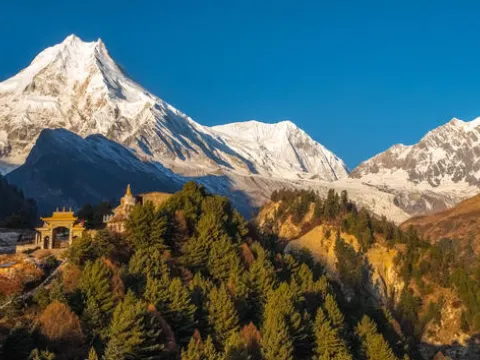
The Manaslu Circuit Trek is one of Nepal’s most spectacular Himalayan adventures, offering a perfect combination of mountain scenery, traditional villages, Buddhist culture, and challenging high-altitude trekking. Located in the Manaslu region of northern Nepal, this remarkable journey takes trekkers around Mount Manaslu (8,163 m), the world’s eighth-highest mountain.
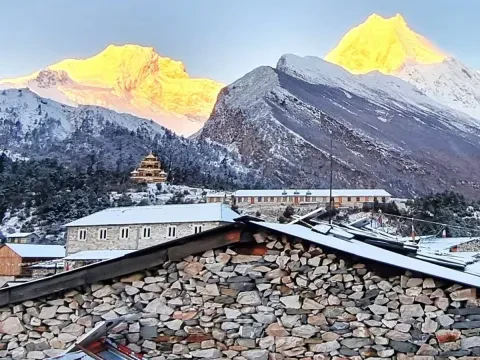
Trekking around the world’s eighth highest mountain peak Manaslu (8,163 m) via Manaslu Circuit Trek offers amazing experiences in Nepal.
Have a question before you book? Send your enquiry below and our travel experts will get back with the required information.