
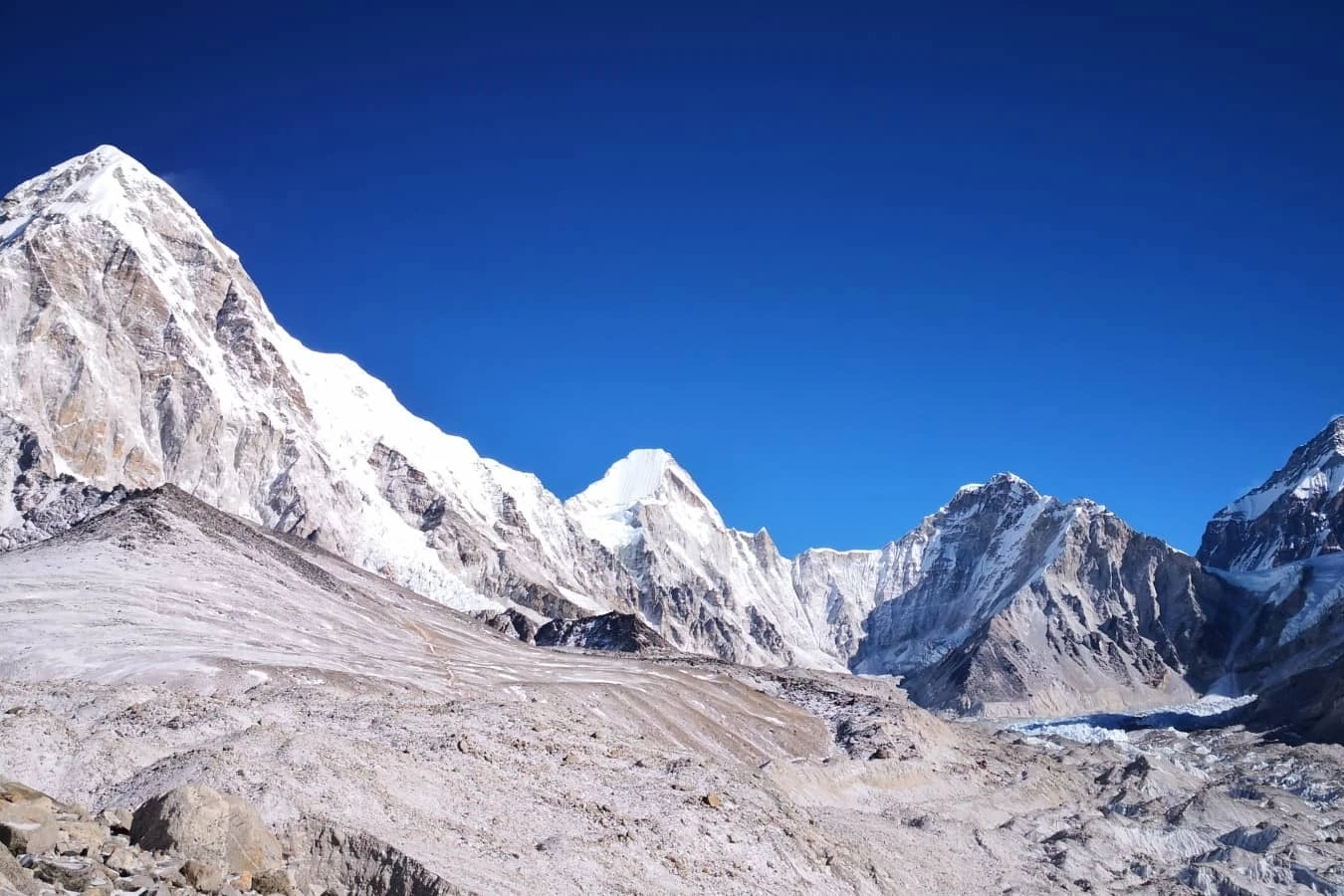
If you want the Everest Base Camp Trek to feel truly worth it, timing matters almost as much as fitness. Pick the right month and you'll get sharp mountain views, safer trail conditions, and warmer teahouse nights. Choose poorly and you might trade those views for clouds, flight delays, or a cold room that makes sleep hard.
This guide gives a clear answer on the best time to go, plus what that choice changes, including crowds, comfort, safety, and Everest Base Camp Trek cost. It also explains how timing affects your itinerary options, from the classic walk-in route to a luxury Everest Base Camp Trek with helicopter return.
The two "sweet spot" seasons are spring and fall. Still, winter and monsoon can work if you know what you're signing up for.
Here's a quick snapshot before the details.
| Season | What it feels like | Biggest upside | Biggest trade-off |
|---|---|---|---|
| Spring (Mar to May) | Warmer days, active trails | Strong views, Everest season energy | Busy teahouses, higher demand |
| Fall (late Sep to Nov) | Crisp air, steady trekking | Best balance for most people | Popular dates sell out |
| Winter (Dec to Feb) | Quiet, cold, dry | Fewer crowds, potential savings | Icy sections, colder nights |
| Monsoon (Jun to early Sep) | Wet lower trail, cloud cover | Green valleys, low crowds | Flight risk, fewer clear views |
Spring brings longer days and a friendlier feel on the trail. Many mornings open with clear skies, so the big peaks show themselves early. As Everest’s climbing season ramps up, the Khumbu feels alive, and you’ll meet trekkers, guides, and crews on the move.
That same energy creates pressure on rooms and flights. Teahouses can fill fast, especially from Namche Bazaar onwards. If you want private rooms, when available, or a shorter Everest Base Camp Trek itinerary, book early. Keep your dates firm.
Early spring (March into early April) tends to be quieter and cooler. Late spring (May) warms up but can bring haze and the first hints of pre-monsoon change. Pack smart layers and strong sun protection because UV at altitude feels like a heat lamp.
Fall is the season many people call "just right". After the monsoon clears, the air often turns crisp, and the mountain outlines look clean. Nights get cold, yet daytime hiking stays comfortable if you keep moving. Flights to Lukla also tend to run more smoothly than in summer, although weather always has a vote in the Khumbu.
Crowds can be high, but the vibe often feels calmer than spring. You'll see plenty of first-timers and photographers because the light can be sharp and the skies can stay stable for days.
Late September and early October still hold some warmth at lower elevations. By late November, the cold bites harder. You may see light snow dusting the trail. It looks amazing in photos. But it can slow you down on some days.
Winter strips the trek down to its basics. The trails get quiet, the air can feel very clear, and you may find better availability with guides and teahouses. Because demand drops, some Everest Base Camp Trek packages also price more gently than peak months.
Cold is the real obstacle. Nights can be brutal in higher villages, and icy patches show up on shaded trail sections. Weather can also delay Lukla flights more often, so your plan needs flexibility.
If “worth it” means quiet paths and a simpler budget, winter can be perfect. But bring warm gear and plan at least one buffer day.
Cold-sensitive trekkers often hate winter, even if they love the views. If you struggle to sleep when it's cold, choose fall instead.
Monsoon season turns lower valleys bright green, and the hillsides look freshly washed. You'll also enjoy the biggest crowd drop of the year. For some trekkers, that calm alone makes the trip feel special.
On the other hand, rain brings clouds, and clouds hide mountains. Leeches can appear at lower elevations, trails can get slick, and Lukla flights face higher disruption risk. June can be a workable shoulder month with breaks in weather. July and August are the wettest period in most years. Early September often improves, but you're still playing a weather lottery.
If you go in monsoon, go for the culture, the quiet, and the green scenery, then treat clear Everest views as a bonus.
"Best time" changes based on what you value most. Some people want wide-open views and don't mind crowds. Others want a quieter trail and are fine with colder nights. Once you pick your priority, the season choice gets easier.
Spring and fall are peak demand, so flights, guides, and better rooms book out first. Winter and monsoon often reduce demand, which can lower your overall spend, especially if you're flexible.
You can still control a lot, no matter the month:
If you're comparing options, ask what's included so you're not surprised by "extras" later.
The classic Everest Base Camp Trek itinerary usually runs about 12 to 14 days round trip from Kathmandu, including key acclimatization stops. That pace works well in spring and fall because daylight is generous and trail conditions are usually straightforward.
A slower plan adds extra acclimatization and weather flexibility. That's helpful if you're new to altitude, trekking in winter, or traveling during shoulder monsoon weeks. In practice, one extra rest day can feel like a safety net, not a delay.
Buffer days matter in every season, but they matter most when flights become uncertain.
Most Everest Base Camp Trek packages bundle the basics, permits, a guide (and often a porter), teahouse lodging, and meals during the trek. Many also include domestic flights, although terms vary. Common add-ons include private rooms where possible, extra staff support, or a revised itinerary for acclimatization.
"Everest Base Camp Trek multiland" usually means adding a second destination, for example Nepal plus Bhutan, or sometimes a Tibet extension where rules allow. In that case, season planning gets stricter because you're matching two sets of weather windows.
An Everest Base Camp Trek with helicopter return cuts days off the walk back. It's popular in spring and fall when flying conditions are often more reliable. It also helps tired knees after EBC and Kala Patthar, but it raises the budget.
Luxury on this route has limits because it's still a teahouse trek. Even so, upgrades can change your day-to-day comfort. The best "luxury" usually means the top available rooms, smarter meal planning, extra support staff, and hot showers when available.
Comfort upgrades matter most in cold months, when a warmer sleep setup feels priceless. They also help in busy peak weeks, when pre-booked rooms reduce stress. If you want a calmer experience without gambling on walk-in availability, luxury planning can pay off.
Strong planning doesn't remove risk, but it reduces friction. Small choices, like battery planning or a smarter pacing chart, often decide whether the trek feels smooth or stressful.
A good Everest Base Camp Trek map helps you see the trek as a series of sensible steps, not one long push. Most itineraries move through Namche Bazaar, Tengboche, Dingboche, Lobuche, Gorak Shep, Everest Base Camp, and Kala Patthar.
Pay attention to two things: daily distance and altitude gain. A short day can still feel hard if the elevation jumps. Offline maps also help when signal fades, but keep your phone warm and plan battery use. Your guide can suggest safer alternates when wind, snow, or fog changes the plan.
You'll usually need two permits: Sagarmatha National Park Permit and the Khumbu Pasang Lhamu Rural Municipality permit. Most treks arrange them in Kathmandu or on the way in, depending on your setup.
Lukla flights are the biggest schedule risk because weather can shut the runway quickly. That risk exists in every season, even in fall.
The simplest rule is still the best one: add at least one buffer day at the end, especially if you have an international flight soon after.
Finally, buy travel insurance that covers trekking altitude and helicopter evacuation. It's not about fear, it's about having options when plans change fast.
For most people, the best time for the Everest Base Camp Trek is spring or fall because you get the clearest mix of views, comfort, and steady trail days. Winter suits trekkers who want quiet trails and can handle real cold. Monsoon can work for flexible travelers who value green valleys more than perfect mountain views.
Pick dates based on what matters most to you, then choose an itinerary that fits your pace, not your pride. Add at least one buffer day. Compare package styles (standard, luxury, or helicopter return) after you lock your season.
The best months to trek to Everest Base Camp are April, May, October, and November.
The 2 PM rule means trekkers should aim to reach their destination for the day by 2:00 PM. This is important because:
The main risks at Everest Base Camp include:
The Everest Base Camp Trek offers stunning Himalayan scenery, rich Sherpa culture, and the rare opportunity to stand at the base of Mount Everest. While it requires good fitness and altitude awareness, the trek is not technical and is achievable for most trekkers with proper acclimatization. For those seeking adventure, natural beauty, and a sense of achievement, it is a truly rewarding experience.
