
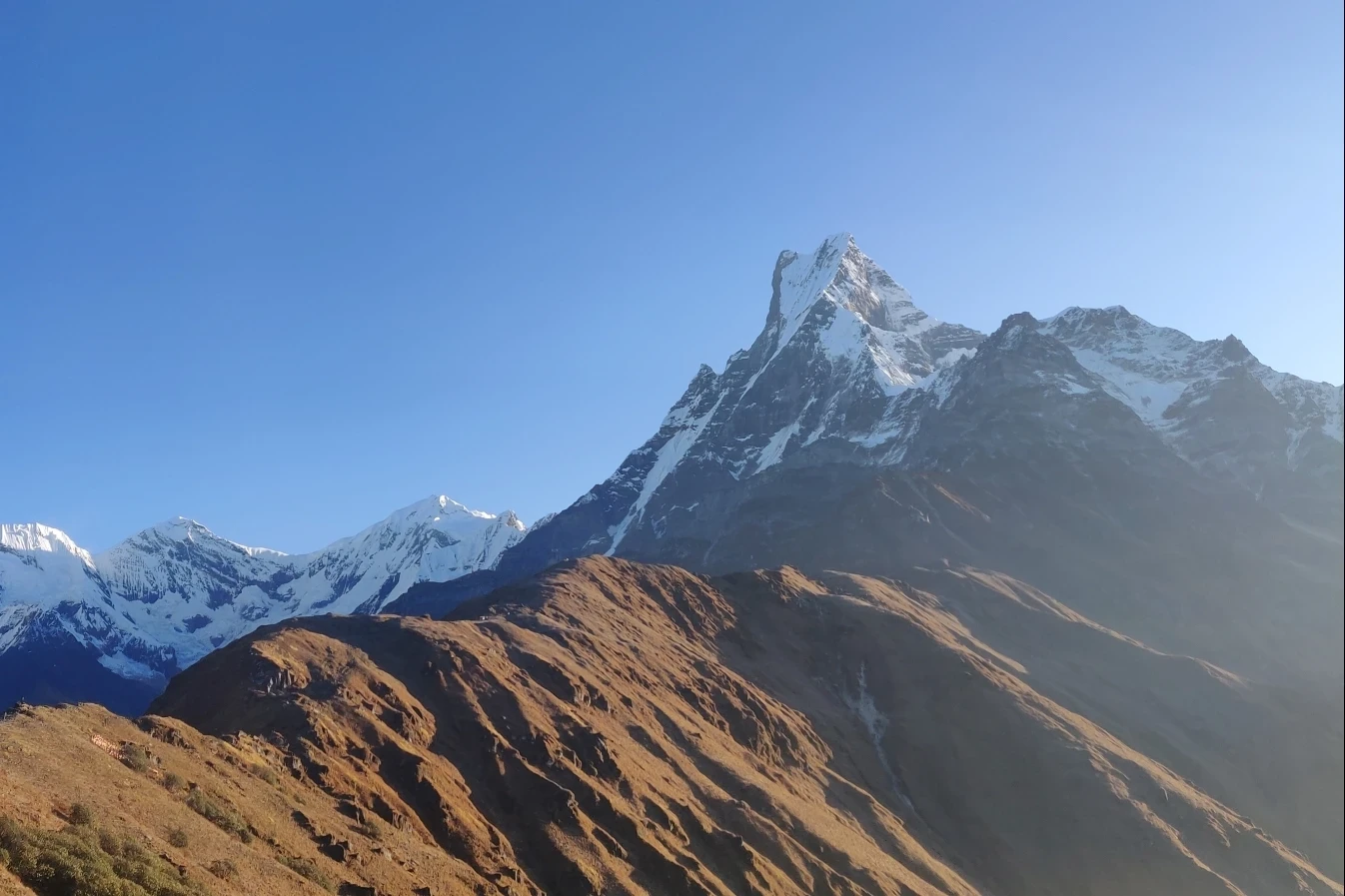
Trekking in Nepal can be rewarding no matter when you visit, but for many trekkers around the world, springtime is just something special. Between March and May, the Himalayas wake up from their winter slumber and show off a whole new side to us. The sky becomes extremely clear, the temperature becomes pleasantly warm (between 15-25 degrees Celsius in lower elevation areas and 5-15 degrees Celsius in higher elevations between 3000-4000 meters), and the hillsides come alive with millions of bright red and pink rhododendron flowers. If you have always wanted to trek in the Himalaya Mountains, springtime is your best opportunity to do so.
This guide will provide you with everything you need to plan your springtime trekking experience for maximum enjoyment — a list of the best spring trekking routes in Nepal, what the weather is going to be like during your visit, and what to expect while you’re trekking on the mountain trails.
Spring is a great time to go trekking in Nepal, it significantly alters the appearance of the country from any other time of the year. In the lower elevations of Nepal, the temperatures during the day will vary between 15 and 25 degrees Celsius, while the camps at elevations between 3,000 and 4,000m will be between 5 and 15 degrees Celsius, allowing trekkers to feel they are in a mountainous environment, but still be enjoyable. The fog that is covering Everest and the other massive peaks in Nepal will have disappeared, allowing tourists to see the snowy peaks standing out against the blue sky. With beautiful weather, long sunlight hours and the forests coming into full bloom, Spring is by far the best time to trek in Nepal.
March, April and May are the best months to trek, the weather in the morning will be cold and fresh, warm and clear in the afternoon and cold in the evening (above 3,500m). Layers will be required over the course of the day to keep warm. In the lower elevations, there is the possibility of light rain at times and could delay your planned trek, but this is highly unlikely. At the start of spring, all of the mountain passes will be covered with snow; therefore, they will look spectacular against the rest of the scenery.
The Everest Base Camp trek is an iconic and popular trek in Nepal. At 5,364m high, it is the second most visited trekking area in the world.
For this trek, you start by flying into Lukla airport which sits on the side of a mountain in the Himalayas. From there you follow a long and winding trail through ancient Sherpa villages such as Namche Bazaar, Tengboche and Dingboche. The best time of year to do this trek is in the springtime months. The weather is generally nice with clear views, which are essential if you’re a beginner or an experienced trekker. Most people usually complete the entire trek within 12 to 14 days. The temperature during the day at the higher base camp will be between 5 to 15 degrees Celsius and at night will drop down to around -10 degrees Celsius.
There are two great trekking options available during springtime in the Annapurna region of Nepal; both are great ways to experience this stunning part of the world.
First, there is the Annapurna Circuit, which is a classic long-distance trekking route through the entire Annapurna massif (all of the high mountains that make up the Annapurna range). The Annapurna Circuit trek takes approximately 14 to 18 days depending upon which route you take and will take you through constantly changing terrains (i.e. terraced hillsides to glacial valleys to alpine meadows etc.). The highest point of the Annapurna Circuit is at Thorong La Pass (5,416 m) and each person will eventually reach this point during the trek; except for people at the very end of the group who generally get left behind to catch up later.
The second option is to trek to Annapurna Base Camp, which is a shorter (10-12 day) option that also takes you through the well-known Annapurna Sanctuary region (the snow-capped peaks of Dhaulagiri, Annapurna South and Machapuchare). Both routes are at their best during the springtime as the rhododendron trees will be in full bloom and the weather will be very comfortable (i.e. daytime temperatures along the route are often in the mid 20° C range).
Throughout the spring season, Langtang Valley offers a magical trekking experience without the crowds like those found in the Everest or Annapurna areas of Nepal. It is located north of Kathmandu and is a 7-9 day trek that is ideal for trekkers of all skill levels and features some of the most serene, intimate scenery in Nepal. In the spring, there will be pine trees (and) rhododendron shrubs both blooming together, (creating) an amazing backdrop for deep river gorges and green bamboo forests.
The trail leads up to Kyanjin Gompa, which is at an altitude of 3,870 meters, a high viewpoint from which to view the beautiful peaks of Langtang and Lirung. For those new to trekking in the Himalayas and wanting to acclimatise to high altitudes, springtime Langtang would be an excellent choice for a first trekking adventure in Himalayan mountains.
The Manaslu Circuit Trek is a wonderful adventure for those looking for a less-travelled option in springtime. If you are an intermediate level trekker or have a higher skill level, then this trek will meet your expectations. The entire trek is approximately 14 to 16 days long and you will have the chance to experience Mount Manaslu, which is the eighth highest mountain in the world. You will experience this remote and hard-to-reach area's beauty as you travel; however, you will not see nearly as many other people on this route compared to more popular treks. The highest point of the trek, Larkya La Pass, is at 5,130 metres above sea level; from here you can see panoramic views of the following mountains: Manaslu, Kang Guru, Himlung Himal and the Annapurna range. You will also be trekking through lush rhododendron forests in the springtime! A special trekking permit and a licensed guide are both required for the trek.
There are shorter spring treks for those who do not have two weeks to hike. Both treks are equally rewarding; however, they are shorter than the average 2-week trek. The Poon Hill trek takes 4 to 5 days, reaching an altitude of 3,210 meters above sea level. The Poon Hill Trek is known for its expansive, breathtaking sunrises over the Dhaulagiri and Annapurna Ranges. The Mardi Himal Trek takes 5 to 7 days to reach an altitude of 4,500 meters, offering the most scenic and peaceful views of Annapurna South. These treks are both excellent starter treks for less experienced trekkers and are also perfect during the spring flowering season.
You will not only get to see the great Himalayas when you are out on the trails, but you will also experience an abundance of culture and sensory stimulation. As you walk through the forests of rhododendron, which are red and pink before 3,500 m, you will see yak and mule trains along the way. You will visit Buddhist monasteries which will be decorated with prayer flags, and you will be greeted into teahouses with the most gracious hospitality by Nepali and Sherpa hosts. Since you will be trekking during the spring, you will have the chance to see several celebrations while on the trails in mid-April; the start of Nepali New Year and Holi in March.
The trails on the most well-known trekking routes (Everest Base Camp and Annapurna Circuit) can get very crowded in the spring, which is peak season because people are trekking to these locations in significant numbers. If you prefer to trek on a quieter trail, you will have an opportunity to do so by selecting the Langtang and Manaslu treks, which provide a real alternative to the busy trekking routes. Make sure you have your heavy-duty hiking shoes, UV filters, reusable water bottles, and a lot of warm layered clothing when going on your Nepal trekking adventure. Check the trail conditions and weather before starting your daily hike, and always use a qualified guide while trekking.
Spring is one of those seasons that doesn't last long in Nepal. The best trekking routes fill up quickly; therefore, those will want to start planning now. Every trek will vary considerably depending on the team behind you, whether you choose to trek the legendary Everest route, the beautiful Annapurna hills, or the less travelled Langtang area.
Miracle Treks is committed to providing you with the experience of a lifetime filled with amazing views of nature, while also having the peace of mind knowing you are being taken care of by the most knowledgeable people in the area (our Sherpa guides). Our skilled team will handle all of your permits, acclimatization, and logistics related to teahouses and weather.
This spring, take the trek of your dreams with a team that knows the way. Contact Miracle Treks today for assistance in planning your perfect Nepal spring trek.
